Supreme Court Ruling Limits Prisoners’ Use of Compassionate Release
Supreme Court Ruling on Compassionate Release
The Supreme Court has decided to sharply restrict how federal prisoners seek early release. The ruling establishes that claims challenging the validity of a conviction cannot be raised through the compassionate release statute. Instead, challenges must be made through the traditional federal habeas process.
Justice Ketanji Brown Jackson’s Dissent
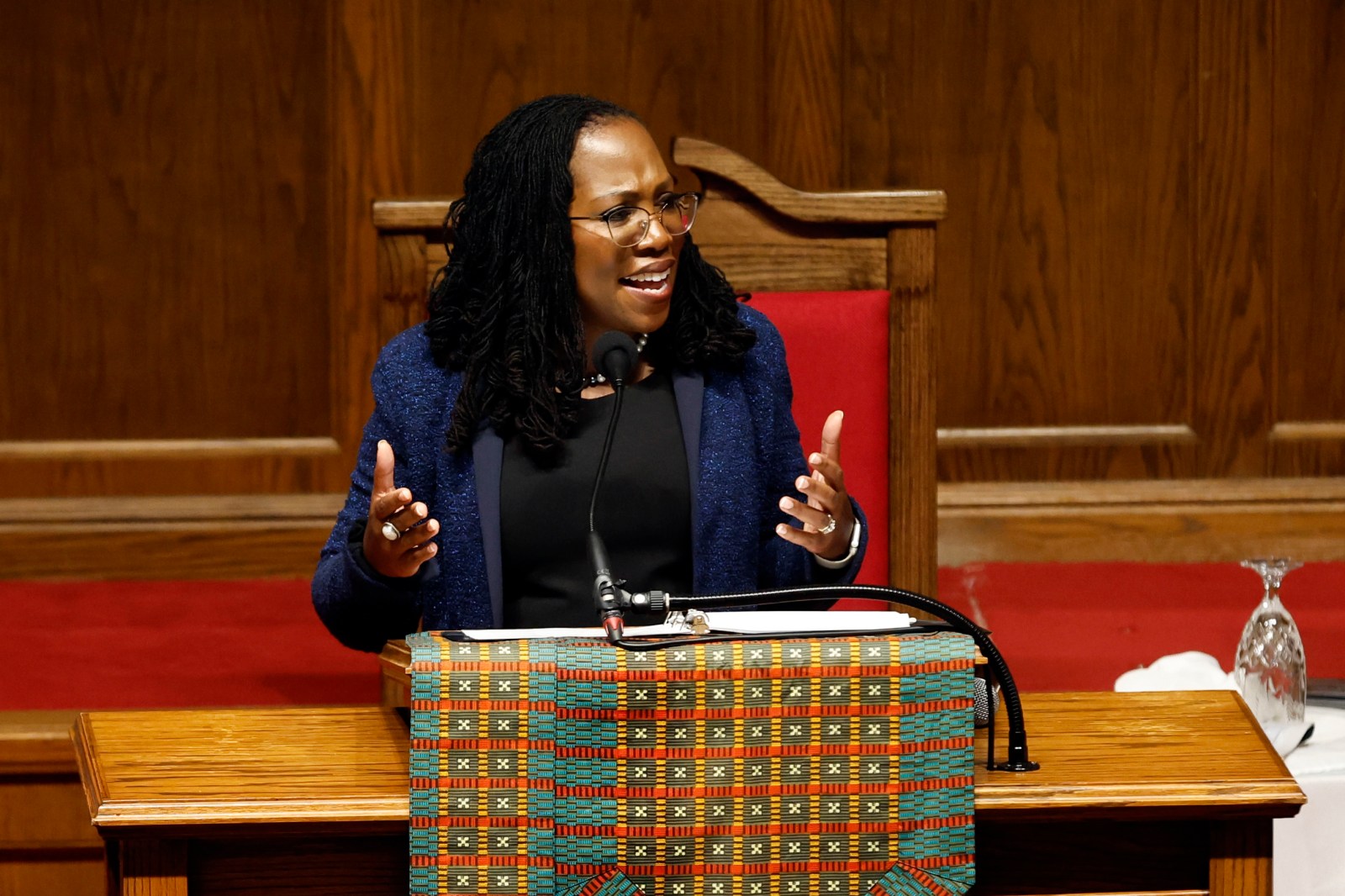
Justice Ketanji Brown Jackson voiced a strong dissent, marking her disagreement with the majority. She argued that the ruling improperly narrows the compassionate release statute by reading in limits absent from its text. Jackson emphasized that the law serves as a flexible mechanism to rectify unjust sentences. Her dissent warns that the decision may prevent deserving claims from being considered.
The Court arbitrarily restricts that discretion, creating an atextual rule barring courts from questioning conviction claims.
Case Details: Joe Fernandez
The case revolves around Joe Fernandez, sentenced to life imprisonment for murder-for-hire in the Bronx, New York City, in 2000. A trial judge had previously allowed his release on compassionate grounds, which is now overturned by the Supreme Court. This decision maintains a strict divide between legal challenges to convictions and sentence-reduction processes.
Majority Opinion Led by Justice Amy Coney Barrett
Justice Amy Coney Barrett led the majority opinion, stating that federal prisoners cannot challenge the validity of their convictions through compassionate release motions. Claims must be processed via the traditional habeas process established for post-conviction challenges. The Court outlined that circumventing habeas procedures through sentence-reduction requests could undermine federal habeas law integrity.
The decision warns that allowing conviction-related claims through compassionate release might lead to excessive relitigation of finalized cases.
Sotomayor and Kagan’s Agreement with Limited Reasoning
Justice Sonia Sotomayor, with Justice Elena Kagan, agreed that Fernandez’s release should be reversed but did not accept the majority’s broader reasoning. Sotomayor suggested a more limited approach, focusing on whether new circumstances have emerged post-sentencing.
Sotomayor stressed that compassionate release should address developments post-sentencing that invalidate continued imprisonment, not to reargue trial-decided issues. Despite Fernandez not presenting new evidence, concerns about witness credibility had been previously litigated, justifying the denial without a broader restriction.
Implications of Limiting Court Discretion
Justice Jackson warned of broader consequences from this ruling, especially in potential innocence cases. She highlighted the necessity for courts to retain discretion in extreme situations where new evidence significantly doubts guilt.
The line between proper compassionate-release and habeas claims could be challenging to define.
Jackson expressed concern that this decision undermines Congress’s intent to ensure fair treatment and preserve the legal system’s mercy.