Tensions Rise as Israel Excluded from U.S.-Iran War Pact
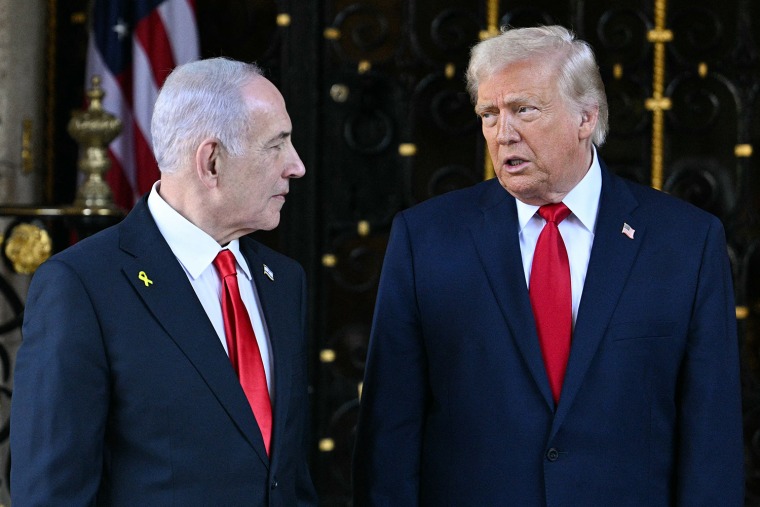
The Israeli government expressed surprise and concern after being excluded from a significant memorandum of understanding (MOU) related to ending the conflict with Iran. This information was confirmed by an Israeli official on Wednesday, contradicting President Donald Trump’s earlier claims of the MOU being shared with Israel. This exclusion highlights the growing tension between the two nations.
The Israeli government’s absence from the negotiation process leading to the MOU poses a significant challenge for Prime Minister Benjamin Netanyahu, who is facing crucial elections in October. The draft of the deal was later shared with NBC News by a senior U.S. official, further underscoring Netanyahu’s precarious position.
Public dissatisfaction with Netanyahu’s handling of the situation has increased, amplified by recent criticisms from President Trump. The U.S. leader openly condemned Israel’s ongoing attacks on Iran-backed Hezbollah in Lebanon, drawing attention to the heavy civilian toll. Trump remarked at the G7 summit, “Too many people have been killed,” urging restraint in military actions.
Netanyahu has not publicly responded to Trump’s criticisms, but with a U.S.-Iran agreement draft expected to be signed soon, domestic pressure mounts. Israel, engaged in the February war against Iran alongside the U.S., suffered through weeks of retaliatory missile and drone strikes from Iran. Critics accuse Netanyahu of failing to address the perceived threat posed by Iran and Hezbollah effectively.
A survey by the Israeli Democracy Institute showed that 57.5% of Israelis believe the discussed peace framework does not align with Israel’s security interests. Netanyahu’s political rivals, including former Prime Minister Ehud Barak, have criticized him for weakening Israel’s strategic stance against Iran. Yair Lapid, another opponent, branded the deal framework as a major failure in Israel’s foreign policy.
In a recent speech, Netanyahu defended the war against Iran but admitted he had not seen the draft agreement. He stated, “We removed, for years to come, this danger hanging over us of the elimination of Israel’s population. That is what we did. We saved the state of Israel from annihilation.” However, his assurances have done little to quell criticism.
Netanyahu also addressed questions about his relationship with Trump, acknowledging instances of disagreement but maintaining that he prioritizes Israel’s security interests. The potential for Israel’s involvement in future negotiations remains uncertain, as Iran signaled that Israel’s military actions in Lebanon violated the current MOU terms.
While the region remains tense, recent calm at Israel’s northern border contrasts with continued hostilities between Israel and Hezbollah in southern Lebanon. This situation remains a complex challenge for Israeli leadership and its regional alliances.