The Rise of Chicago’s Quarterback Scene
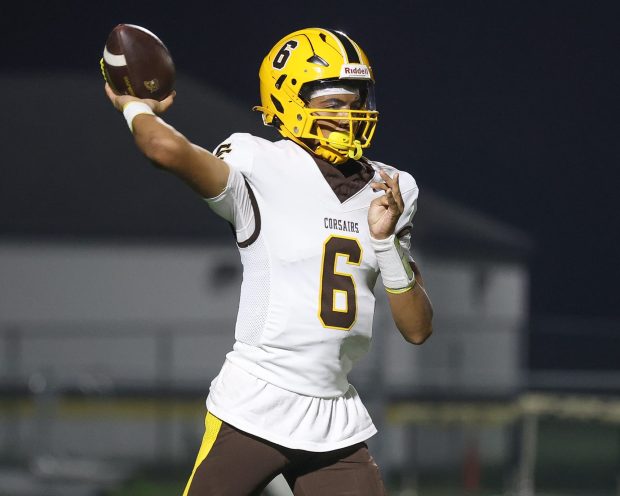
Chicagoland witnessed a spectacular fireworks display on a Friday night in Mundelein, highlighted by an electrifying football game. On October 3, 2025, Montini faced Carmel where quarterbacks Israel Abrams and Trae Taylor threw for a combined 1,009 yards. Montini secured a 55-54 victory. Both players were juniors then and have since soared in rankings, with Taylor at No. 1 and Abrams at No. 3 nationally, according to Rivals.com.
A scheduled rematch was set for September 18 in Lombard, but Taylor transferred to Millard South in Omaha for his senior year to be closer to college commitments in Nebraska. Abrams, now committed to Miami, aims to lead Montini to a third consecutive state championship. “We’ve brought back many players,” Abrams commented. “This year, I want to position my teammates effectively. It’s a responsibility I take alongside winning championships.”
The events of 2025 and the current rankings highlight a shift in high school football. Chicago is transforming into a hub for quarterbacks. Hersey’s Jake Nawrot, ranked No. 5, Maine South’s Jameson Purcell at No. 34, and New Trier’s Jackie Ryder at No. 58, underline the surge of talent. This boost is not unprecedented. The 2026 class included names like Jonas Williams (USC) and Owen Lansu (Minnesota), all demonstrating a trend of strong local quarterbacks.
Evolution of Chicago’s Quarterback Training
Chicago didn’t develop this quarterback trend overnight. It has been years in the making. The area’s harsh weather conditions demand resilience from young quarterbacks. “If you can spin spirals in Chicago, you can spin spirals anywhere,” said Preston Earl, a former quarterback turned coach.
Training took a significant turn with the involvement of Jeff Christensen, a former NFL player who started the Throw It Deep training program. He mentored talents like Jimmy Garoppolo and Aidan O’Connell. Although Christensen relocated, former partners like Greg Holcomb continue his legacy through programs like Next Level. Players such as Alessio Milivojevic gained from these expert trainings.
Coaches like Charlie Bliss, who didn’t charge fees for 20 years, nurtured young talent through consistent weekend trainings. These efforts contributed to a new norm in quarterback development across the region.
The Impact of 7-on-7 Football
The rise of 7-on-7 football reshaped the landscape. Critics argue that it’s not true football due to a lack of contact, but it offers critical repetitions for quarterbacks. Tom Nelson of Hersey high praises its value in developing skills like defense reading and timing.
Programs like Midwest Boom took local players to national prominence. Coaches like Dave Inserra at Maine South acknowledge the role of early 7-on-7 adoption in their success, including multiple state titles.
Pass-Heavy Offense: A Shift
The evolution in playstyle has been crucial. Coaches were previously wary of passing plays due to weather concerns, preferring run-centric strategies. However, as offensive strategies evolved, so did quarterback opportunities to develop.
Offensive coordinator Charlie Bliss insists on demanding 20-25 completions per game from players like Abrams, ensuring team involvement and growth. The shift in mindset from run-heavy to a dynamic passing game helped nurture modern quarterbacks.
Natural Talent Shines Through
Chicago’s contemporary quarterbacks combine training and natural ability. Players like Abrams and Taylor exhibit exceptional arm strength and mobility. Nawrot stands out as a classic pocket passer with notable basketball skills.
Quarterback Jake Nawrot plans to join Kentucky early, demonstrating the local scene’s talent depth. Mechanics and accuracy have become key differentiators. Purcell, a 6-2 left-hander, is known for exceptional precision, while Ryder’s versatility as a 6-5 player is noteworthy.
Ultimately, regardless of training, natural talent plays a significant role. Coaches and players alike recognize the intrinsic qualities that set exceptional quarterbacks apart.