Tree Cores Reveal Historical Weather Patterns
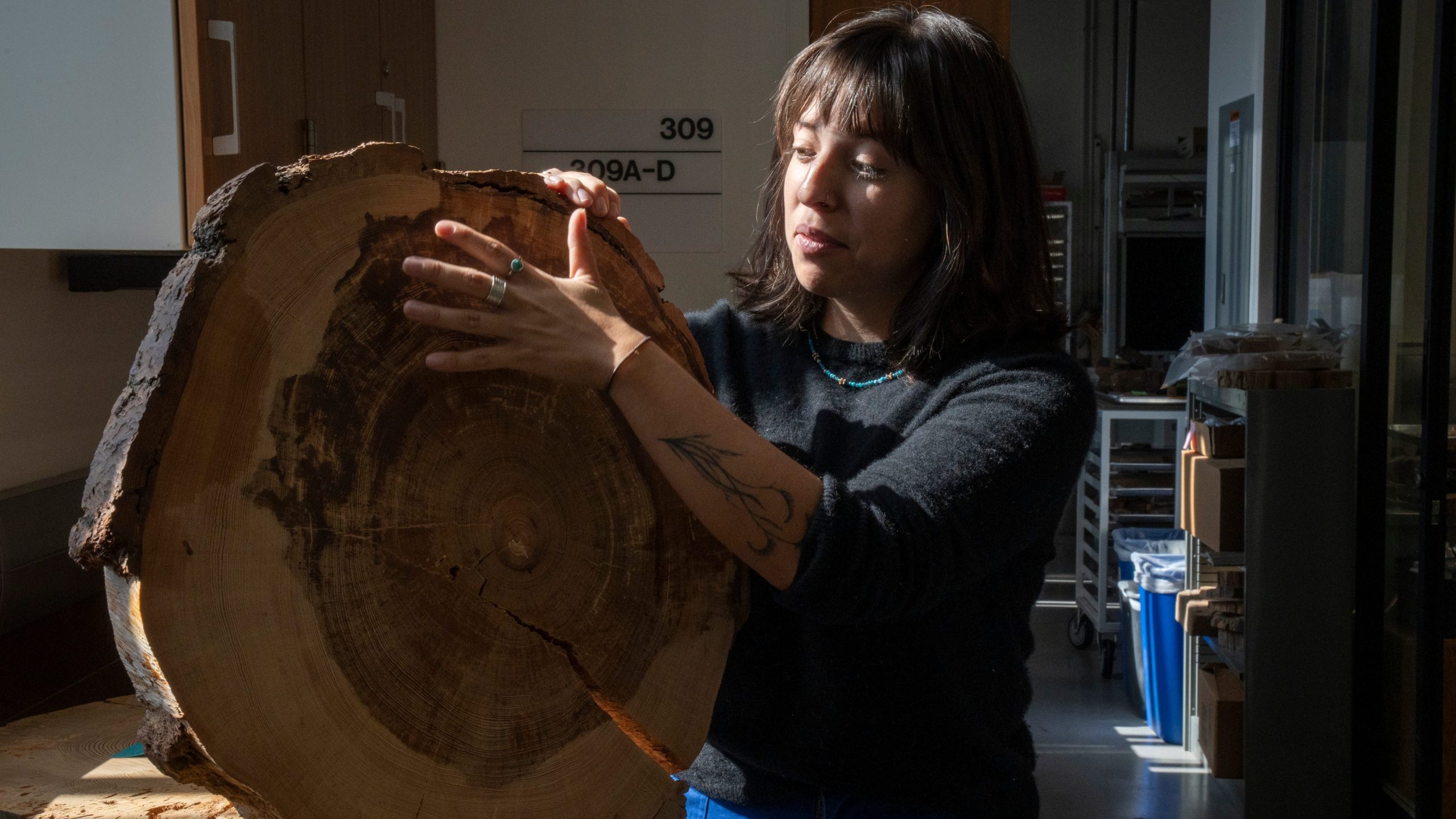
Tree cores extracted from ancient trees offer valuable insights into historical weather records. As the 2026 hurricane season advances and a powerful El Niño potentially alters weather patterns globally, trees continue to document these changes.
Tree scientists highlight the tree rings’ capacity to preserve details about past weather and climate events. These rings reveal not only the tree’s age but also its survival through storms, droughts, and wildfires. Across Alaska, Arizona, and worldwide forests, scientists are compiling a vast dataset that records historical natural disasters, providing clues to future occurrences.
Narrow samples, as thin as a pencil, have been taken from some of the oldest trees on Earth. These samples help extend the records of past weather events far beyond the limits of modern satellite imagery. The width, density, and spacing of the tree rings document floods, droughts, and hurricane impacts.
Old Trees Tell Stories
During the celebration of the nation’s 250th anniversary, tree scientist Nicole Davi admires still-living trees that thrived during 1776 and the stories they tell. Often termed “witness trees,” these trees were present at significant moments in history.
Valerie Trouet enjoys exploring forests, particularly in remote mountainous areas. Ancient trees in these landscapes offer a sense of continuity, having existed through numerous generations. Trouet emphasizes the thrill of examining tree rings, which capture centuries of information.
Finding Relevant Trees
Researchers select trees from specific regions based on their studies. To examine drought, they focus on areas with trees where growth depends largely on moisture, such as the U.S. Southwest. Trees in Tucson, for instance, exhibit significant growth in wet years but little in dry years, resulting in narrow rings.
Microscopic analysis of tree cores can demonstrate historical events, like volcanic eruptions, by revealing patterns in growth changes due to reduced sunlight from atmospheric ash.
Building Historical Records
Trouet explains that tree ring data helps reconstruct history prior to the era of satellite observation. Studying El Niño events, which have a cycle spanning six to seven years, is challenging without sufficient data points. Expanding the dataset through comparisons with cores from different regions improves the understanding of these climatic interactions.
Tree rings also show impacts from hurricanes. For instance, Hurricane Harvey’s flooding in Texas affected tree growth, and ring studies indicate intensifying rainstorms. Tree growth often slows after hurricanes due to the loss of leaves and large limbs.
Davi discovered hurricane evidence in ancient coastal trees in New York and New Jersey. With longer records, scientists obtain more reliable data on hurricane frequency.
Researchers cross-reference tree data to study wildfire patterns in regions during El Niño and La Niña events. Tree rings offer insights into the prevalence and spread of past wildfires.
Trees’ resilience to traumatic weather events is consistently intriguing for scientists like Davi. However, the prospect of future discoveries regarding weather events that shape human history is particularly compelling.