Trump’s Remarks Pose Uncertainty for North American Trade During FIFA World Cup
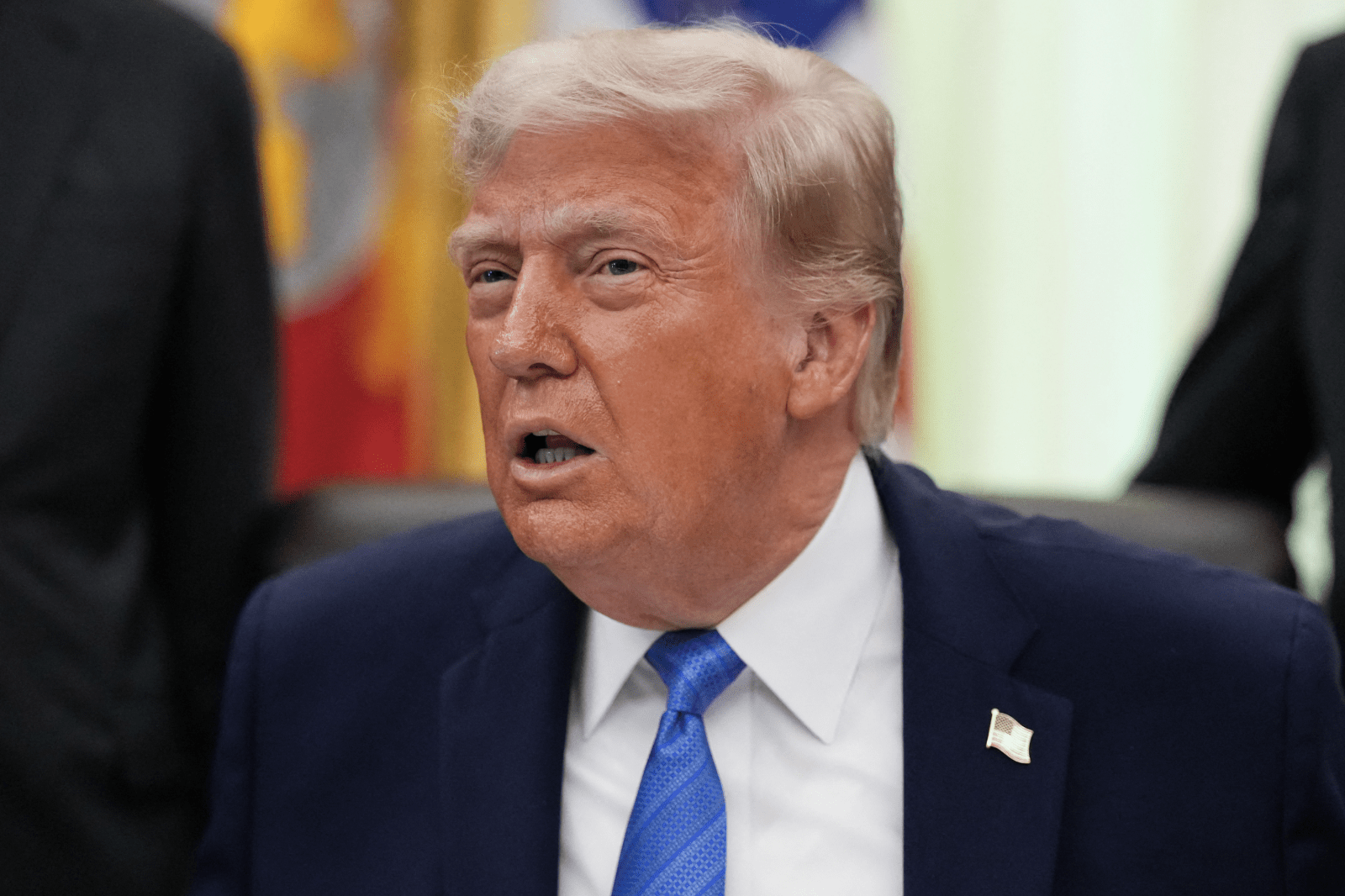
President Donald Trump has raised doubts about renewing the United States-Mexico-Canada Agreement (USMCA) as North America begins co-hosting the 2026 FIFA World Cup. This event underscores a delicate balance between economic rivalry and political cooperation. On June 10, Trump indicated he might not renew the trade pact, just as the countries united to host the soccer tournament.
These comments come during a period of notable trilateral cooperation, yet they highlight possible changes in North American trade amid ongoing negotiations. Businesses, exporters, and supply chains in all three countries face uncertainty as USMCA review talks approach later this month.
Significance of the Trade Relationship
North America’s trade relationship enters a critical review in 2026. The three governments must choose whether to extend the USMCA or allow it to edge toward expiration by 2036. Trump’s remarks revive tensions over trade deficits, tariffs, and policy, introducing uncertainty into a highly integrated economic region.
Impact of the World Cup
Trump’s comments emerged hours before the 2026 FIFA World Cup’s kickoff. The tournament, co-hosted by the U.S., Canada, and Mexico, exemplifies continental unity. Despite this, Trump expressed reluctance to renew the USMCA, a pact he signed during his first term to replace NAFTA.
The USMCA involves a six-year review process in 2026. The U.S., Canada, and Mexico must decide whether to extend the agreement’s lifespan beyond the 2036 sunset clause. Without an extension, annual reviews would begin, prolonging renegotiations and uncertainty.
“I made the deal because NAFTA was the worst trade deal I’ve ever seen. Yeah. I had the right to terminate,” Trump stated. He argued for rebalancing trade, citing U.S. trade deficits—$46 billion with Canada and $197 billion with Mexico, as reported by Reuters.
The USMCA supports approximately $1.6 trillion in annual trilateral trade, allowing tariff-free movement for most goods across North America. This fosters integrated supply chains in sectors like autos, energy, and agriculture. Under its rules, the three countries must signal by July 1 if they intend to extend the agreement for another 16 years. Failing to agree initiates annual reviews, lasting up to a decade before expiration.
Skepticism and Support
“I don’t know that I’m going to redo it,” Trump said. “We don’t need anything Canada or Mexico has, but they need everything we have.” Trump’s stance highlights a push for surpluses with trade partners rather than deficits.
Canada urged early renewal for long-term trade stability. Despite tariff disputes, Canada and Mexico continue to support the framework. This cooperation contrasts with Trump’s hard-line negotiation tactics, seen in trade talks and physical infrastructures like the Gordie Howe International Bridge. This bridge, connecting Detroit and Windsor, aims to ease congestion in one of North America’s busiest trade corridors.
Even the bridge project isn’t immune to political pressure. Trump suggested renegotiating aspects, including U.S. ownership, reminiscent of his negotiation posture.
Outlook for Trade Negotiations
The future of USMCA is uncertain. Whether through renegotiation or prolonged discussions, the outcome could significantly affect North American trade. The next few weeks of talks will shape the region’s economic direction for years. Negotiators are scheduled to meet in Washington on June 16 and 17, focusing on agriculture and other sectors, with further discussions in Mexico City in July.