Trump’s Visit to NATO Summit Highlights U.S.-Turkey Relations
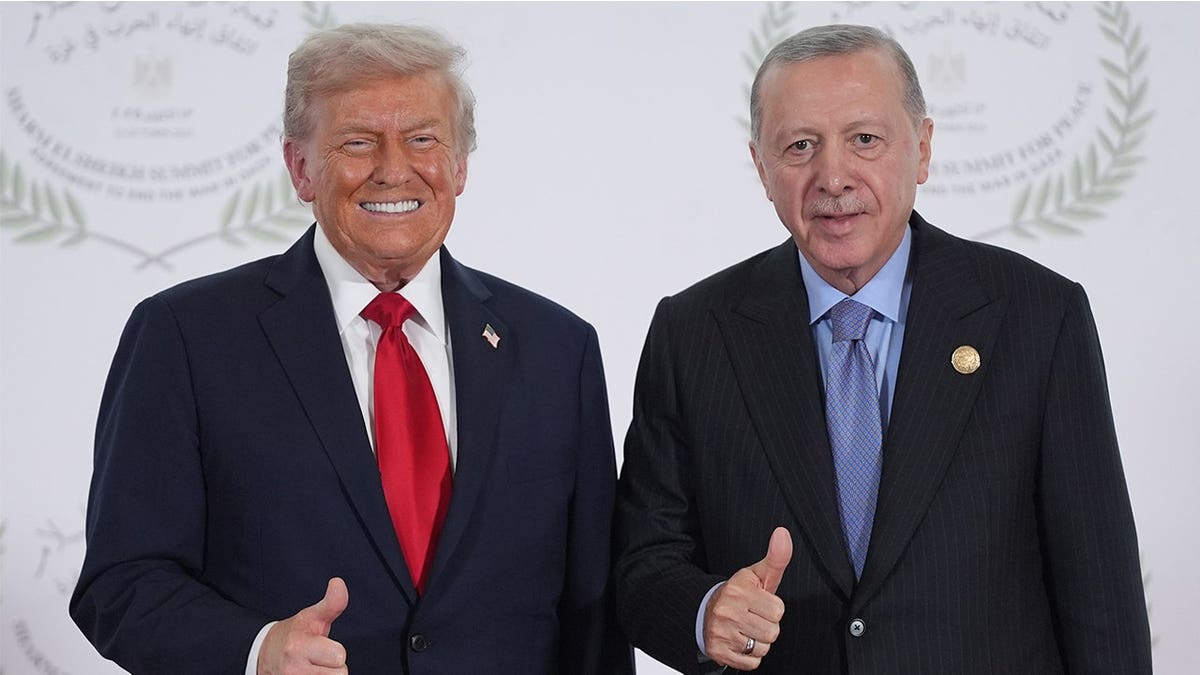
President Donald Trump plans to attend the NATO summit in Ankara, Turkey, with a focus on engaging with Turkish President Recep Tayyip Erdoğan. Trump has described Erdoğan as a friend and a respected leader, suggesting potential for increased defense collaboration between the U.S. and Turkey.
The summit commences on Tuesday in Ankara. This marks a major shift in relations between the two nations. In past years, tensions rose when Turkey acquired Russia’s S-400 air defense system, prompting the U.S. to exclude Turkey from the F-35 fighter program and impose sanctions on its defense procurement agency. These actions cemented Turkey’s reputation as a challenging NATO ally. Despite unresolved issues, Turkey’s strategic importance has grown as NATO faces challenges from Russia, unrest in the Middle East, and issues in the Black Sea region.
“Turkey is crucial to the Trump administration,” said James Jeffrey, former U.S. Ambassador to Turkey. He emphasized the strong relationship between Trump and Erdoğan.
According to White House spokesperson Anna Kelly, Trump’s relationship with Erdoğan is genuine, and they plan to hold a bilateral meeting during the summit. Jeffrey noted that Turkey’s significance extends beyond personal relationships. Its military power and geographical position make it essential for U.S. strategy around Eurasia.
As NATO refocuses on collective defense, member nations with significant military contributions are gaining prominence. Can Kasapoğlu from the Hudson Institute highlighted the importance of military capability in the alliance’s current stance.
NATO allies have committed to a defense spending target of 5% of GDP by 2025. This comes after years of Trump criticizing European allies for insufficient defense spending. Turkey plays a crucial role, boasting NATO’s second-largest military and controlling strategic regions like the Bosporus and Dardanelles.
Russia’s actions in Ukraine and instability in the Middle East have heightened Turkey’s strategic value. Turkey has supported Ukraine by enforcing the Montreux Convention, providing drones, and acting as an intermediary between Ukraine and Russia.
Relations with Syria have also shifted. Turkey’s support for opposition forces contributed to the toppling of Bashar al-Assad’s regime, aligning more closely with U.S. interests. Critics remain concerned about Turkey’s foreign policy diverging from NATO norms, especially regarding its support for Hamas and possession of the S-400 system.
Sinan Ciddi from the Foundation for Defense of Democracies pointed to Turkey’s application for membership in organizations like BRICS and the Shanghai Cooperation Organization as conflicting with NATO goals. This has complicated U.S.-Turkey defense ties, despite Trump’s favorable view of Erdoğan.
Congressional debates have emerged over arms sales to Turkey. Rep. Gregory Meeks criticized the State Department for not addressing concerns related to Turkey’s S-400 system and a proposed $700 million arms sale. The technical issue of operating the S-400 alongside F-35 jets remains problematic, impeding full integration of Turkey into advanced U.S. defense systems.