Two Ships: Reflecting on American Identity
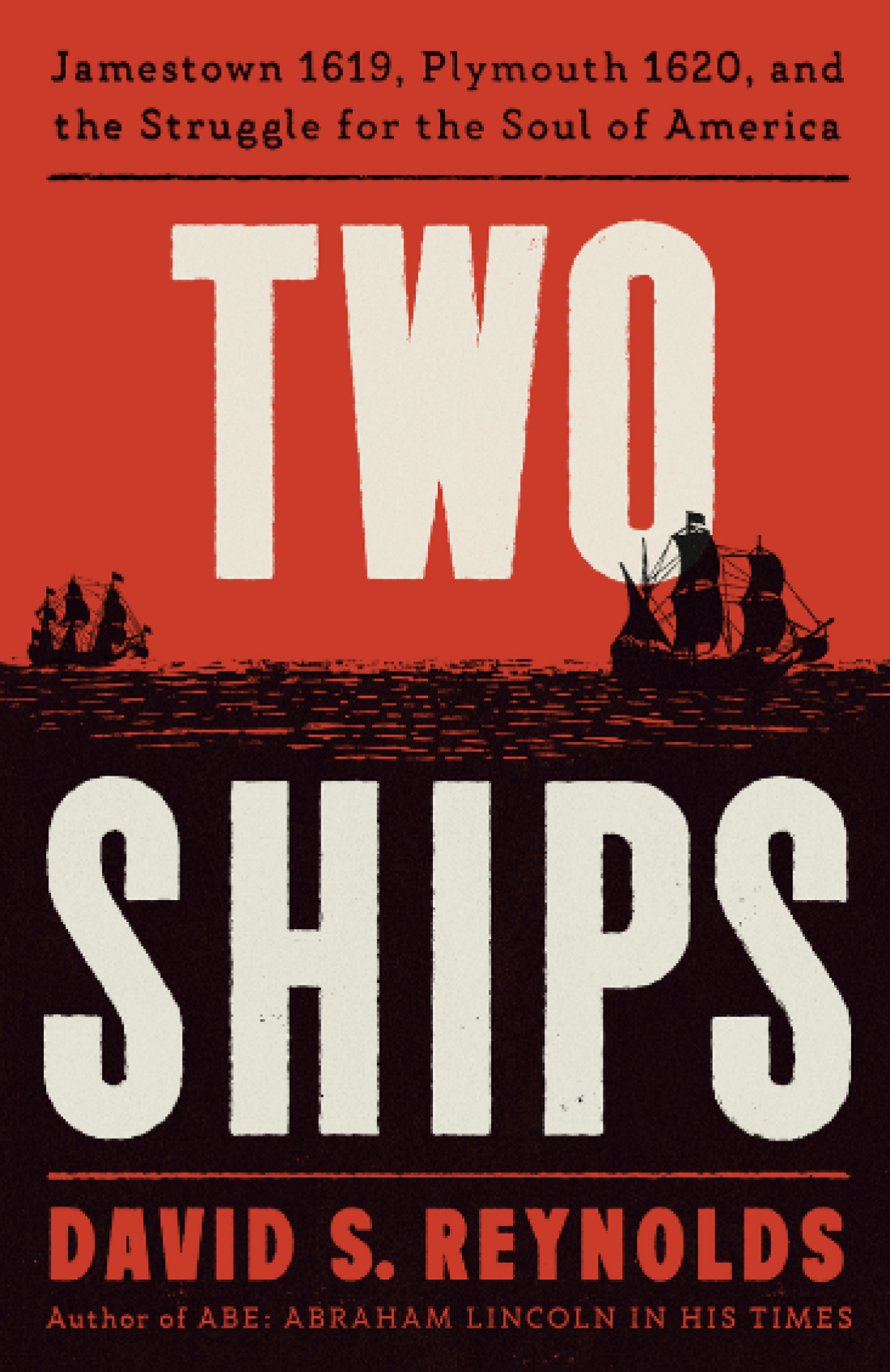
Historian David S. Reynolds provides insight into America’s divisive history with his book, Two Ships. As the United States approaches its 250th anniversary, Reynolds explores the nation’s contentious origins through the tales of the Mayflower and the White Lion, two ships that symbolize conflicting visions of American identity.
The Mayflower carried the Pilgrims to Plymouth, Massachusetts, in 1620. These passengers, separatist Puritans, opposed the English king, James I. They aspired to a radical democracy where all men were equal before God. Conversely, the White Lion arrived in Jamestown a year earlier, bringing the first enslaved Africans to Virginia. This ship represented the European settlers’ loyalty to the monarchy and a rigid social hierarchy.
The meanings attached to these voyages shaped them into metaphors for two competing American ideals.
Throughout history, the portrayal of these ships has evolved depending on the era and the speaker. This metaphor was particularly prominent during the Civil War. Abolitionists condemned the White Lion as a symbol of slavery’s ‘plague-spot’; Frederick Douglass often used this metaphor. Abraham Lincoln, however, avoided it, preferring unity.
Southern descendants of Cavaliers criticized the Puritans aboard the Mayflower as intolerant. Although the North became religiously diverse by the mid-19th century, Southerners still regarded the Mayflower as a harbinger of fanatical movements like abolitionism.
Reynolds also discusses the South’s appreciation for Nathaniel Hawthorne’s anti-Puritan novel, The Scarlet Letter, and Sir Walter Scott’s medieval romances. Mark Twain noted Scott’s negative influence, believing he inflicted ‘real and lasting harm.’
By the 1890s, interpretations shifted as Southern and Northern whites united under racial solidarity. Mayflower celebrations reinforced these sentiments. In the late-20th century, commercialized imagery of the Mayflower diluted its political significance.
Years later, the 1619 Project resurrected the White Lion in discussions about slavery’s role in national history. While it falls beyond Reynolds’ chronological scope, its impact is undeniable.
Reynolds’ Two Ships provides a thorough examination of centuries of American history through this metaphor. Reading this work can enrich your understanding of how Americans have perceived each other over time, highlighting the persistent distortion in cultural memory.