U.S.-Iran Relations: Strategic Asset Allocation
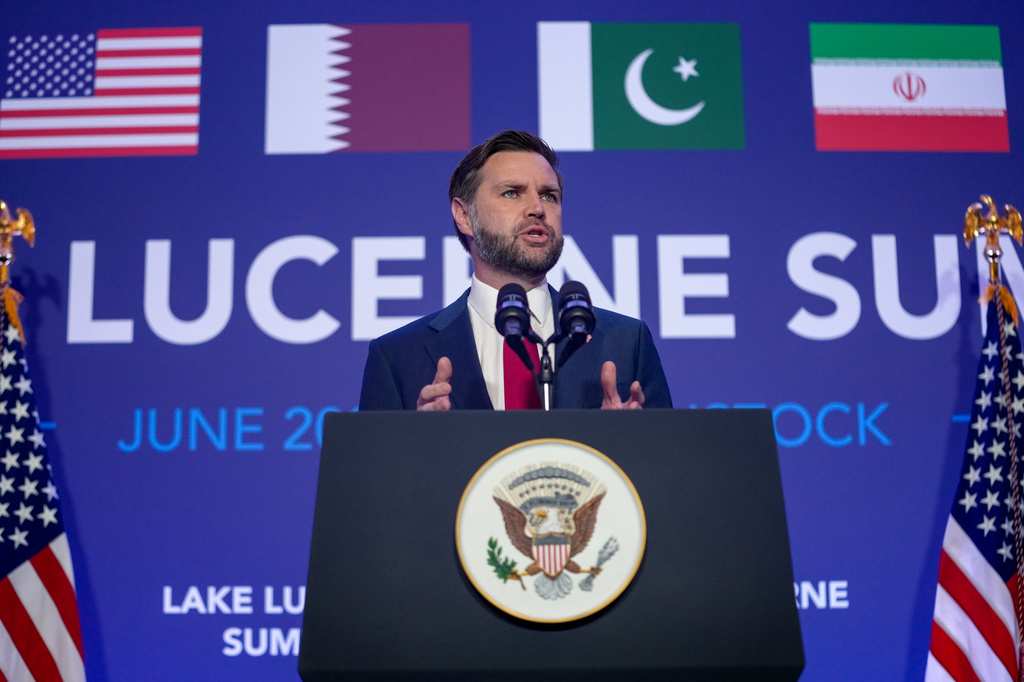
Vice President JD Vance addressed the media after high-level talks between the U.S. and Iran at the Bürgenstock Resort in Switzerland. Washington and Tehran have agreed on the Islamabad memorandum, which prominently features the release of $24 billion in frozen Iranian reserves upon finalizing a deal. President Trump has indicated these assets will move only with a completed agreement, sparking debate about if and when to transfer the money.
Discussion about the rightful ownership of these assets, which total approximately $100 billion, has been scarce. These reserves, generated by Iran’s oil, commerce, and labor, do not belong to a ruling clique but represent national wealth. While international law recognizes the Islamic Republic as Iran’s sovereign representative, the regime acts as a usurper, not a legitimate steward, by governing through domestic terror and exporting instability.
Returning these assets as a reward for aggression misallocates resources, endorsing the regime’s false narrative that the Iranian people have the same interests as their rulers. Washington has rejected similar narratives before. Following the 2021 collapse of the Afghan Republic, the U.S. froze around $7 billion in central bank reserves, creating the Swiss-based Fund for the Afghan People, insulating $3.5 billion to support the population and denying the Taliban access.
A similar approach was taken with Venezuela, where over $3 billion was protected from the Maduro regime. This proven method, supported by the International Emergency Economic Powers Act, legally preserves wealth from illegitimate governments for the nations they misrule.
The debate centers on serving the Iranian population. Digital connectivity is crucial, but the regime survives by isolating information. Systematic network blackouts prevent external observation and suppress domestic movements. Tehran has criminalized Starlink access, threatening severe legal penalties, including capital punishment.
Direct-to-cell service, connecting phones to satellites without hardware, offers a solution. Although the Pentagon explored this for Iran, the high cost stalled the effort. A dedicated trust could fund this initiative, addressing cost and access hurdles.
The U.S. Office of Foreign Assets Control has prioritized internet access for Iranians as a primary policy tool, creating authorizations to combat censorship and surveillance. With the legal framework at hand, establishing the Iranian People’s Connectivity or Internet Freedom Fund could safeguard Iranian assets and expand connectivity.
This choice of strategy affects American interests, as returning reserves to the Iranian regime finances oppression, regional aggression, and terrorism. By ensuring the Iranian people benefit from their national patrimony, Washington strengthens its partnership with millions opposing the regime. A connected Iran challenges state control, promoting freedom and aligning with U.S. interests.