U.S.-Iran Talks Face Challenges Over Frozen Assets
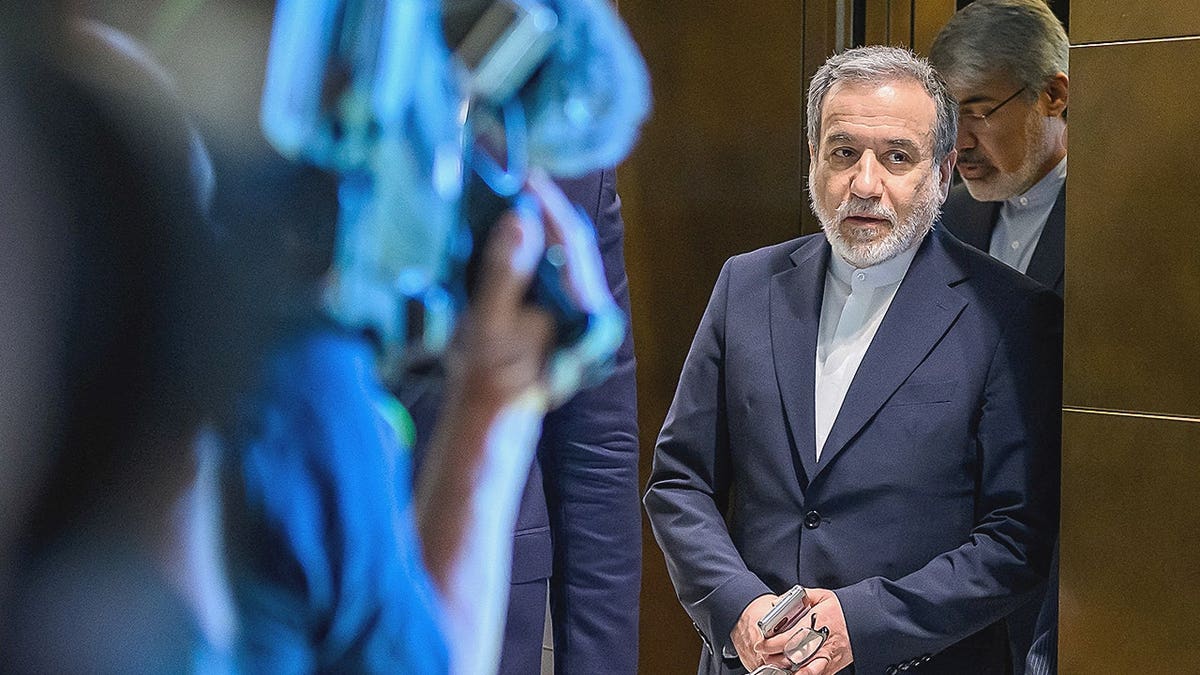
Negotiators from the U.S. and Iran met in Switzerland to discuss frozen Iranian assets. Concerns loom over a dispute regarding billions in unfrozen funds. This issue will test the durability of their new interim agreement.
On June 17, Washington and Tehran signed a memorandum of understanding. The first round of talks took place at Bürgenstock near Lucerne, Switzerland. President Masoud Pezeshkian of Iran expressed expectations about the return of funds. He noted that $6 billion held in Qatar would be returned, referencing recent statements by former President Trump.
“It isn’t our money, it is their money, and we froze it,” Trump said. “We’re going to have to give it back at some point.”
Trump emphasized that access to these funds is conditional. He indicated Iran would receive “not ten cents” during a 60-day negotiation period without meeting commitments.
Alex Vatanka, a senior fellow at the Middle East Institute, noted two perspectives on the frozen funds. One concerns their release as an economic question. The other tests political trust between the two nations. Paragraph 11 of the MOU framework ties funds release to compliance. It does not allow immediate unrestricted access.
The U.S. delegation, which included Steve Witkoff, JD Vance, and Jared Kushner, arrived in Switzerland. Uncertainty persists over the total amount of frozen Iranian assets. Iranian officials claim over $100 billion is frozen, while Western estimates vary. Initial negotiations aim to secure access to $24 billion to $25 billion.
Estimates put Iran’s frozen assets between $100 billion and $120 billion. These assets face sanctions and restrictions in several countries, including China, India, and South Korea. The core dispute revolves around fund control and usage.
The U.S. aims to attach conditions to fund usage, leveraging control. Talks so far suggest directing funds for humanitarian purposes such as food and medicine. Qatar’s Foreign Ministry highlighted the talks’ aim for a comprehensive agreement. Spokesman Majed bin Mohammed Al Ansari stated technical teams are negotiating the final deal.
Western intelligence worries unfrozen funds could serve regional conflicts. Reports suggest potential financial support to Hezbollah may resume if Iran’s cash flow improves.
Alex Vatanka emphasized the regional dimension of the dispute. Tehran proposes using funds for rebuilding infrastructure, citing roads and airports as examples. Meanwhile, Washington seeks fund release for humanitarian and civilian purchases exclusively.
Emma Bussey, now a breaking news writer for Fox News Digital, previously worked across multiple desks at The Telegraph.