U.S.-Led Talks Navigate Complex Middle East Tensions
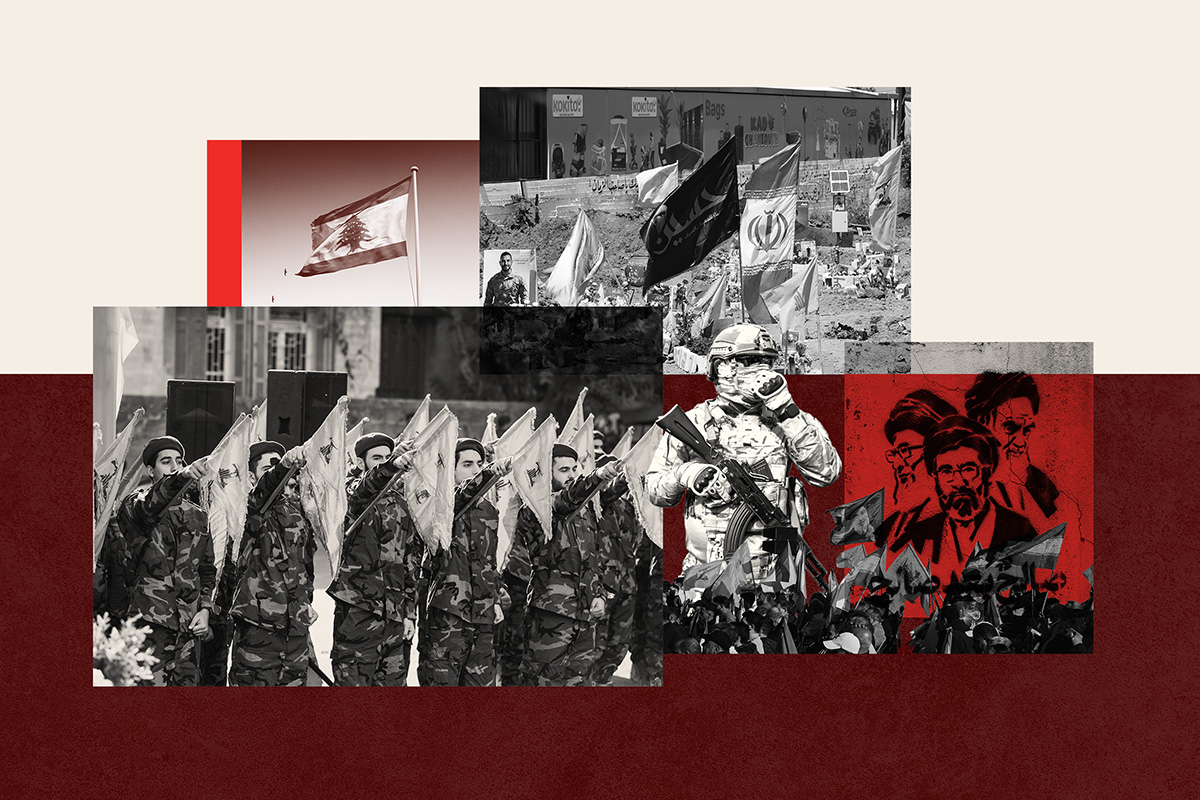
The White House recently hosted discussions involving military leaders from Israel and Lebanon. These talks are spotlighting the ongoing U.S.-Israeli conflict with Iran. U.S. ally Israel is advocating for the disarmament of the Lebanese Hezbollah movement, a key faction within Iran’s Axis of Resistance coalition. Hezbollah’s involvement followed the October 2023 attack by the Palestinian Hamas group, igniting a regional conflict.
Israeli Prime Minister Benjamin Netanyahu stressed that tensions with Hezbollah persist despite negotiations between the U.S. and Iran. Iran has weathered the U.S.-Israeli conflict since its leader’s assassination and demands a ceasefire, including Lebanon, as a part of any peace agreement.
President Donald Trump faces a challenging situation. Netanyahu is committed to achieving lasting results in Lebanon and remains uncompromising regarding Iran’s protection of Hezbollah, even under potential economic strain.
Iranian analyst Hassan Beheshtipour explained Iran’s position: “Iran doesn’t see itself choosing between economic gains and backing Hezbollah.” A ceasefire in Lebanon is essential for any agreement with the U.S. due to Iran’s perception of interconnected threats in the region.
“In Iran’s view, threats in West Asia are interconnected, and the continuation of war in Lebanon directly affects Iran’s strategic stability,” Beheshtipour stated.
Iran’s Own Strategic Alliance
Hezbollah is a cornerstone of Iran’s Axis of Resistance, supported by the Islamic Revolutionary Guard Corps since the 1980s. Iran organized Hezbollah in response to Israeli forces in southern Lebanon, deploying similar tactics in Iraq and Yemen later on.
Hezbollah fortified Iran’s network by training allied movements across the Middle East. Before his death by an Israeli airstrike in September 2024, Secretary-General Hassan Nasrallah symbolized this shared resistance. Iran’s coalition included groups from Afghanistan and Pakistan, crucial in combating ISIS and supporting Syrian President Bashar al-Assad’s regime.
This alliance attracted criticism from the U.S., Israel, and Gulf Arab states like Saudi Arabia and the UAE, who see its members as terrorists.
“Iran would calculate whether tolerating a limited conflict in Lebanon still falls within its national interest,” Beheshtipour said.
Iranian expert Meir Javedanfar compared Iran’s strategic calculus to NATO’s defense posture.
“Iran views its Axis of Resistance allies akin to its own NATO,” Javedanfar explained.
Iran’s commitment to including Lebanon in negotiations with the U.S. signifies its strategic priorities, overriding economic concerns.
Iran’s Strategic Leverage
Iran’s influence in negotiations stems from its internal leadership structure, economic strategies, and regional military actions.
Iran’s clerical leadership, headed by Ayatollah Mojtaba Khamenei, acts independently of domestic political pressures faced by Trump. Iran successfully disrupted global energy markets through the blockade of the Strait of Hormuz, impacting international oil and gas trade.
Iran also targeted GCC states hosting U.S. bases, particularly affecting nations with ties to Israel. Such actions have heightened pressure on Trump to de-escalate the situation.
Javedanfar noted these strategies have fortified Iran’s position at the negotiation table, contrasting with the political dynamics faced by Trump.
“Iran’s rigid system is the most important factor,” Javedanfar remarked.
Challenges for U.S.-Israeli Relations
Trump and Netanyahu face potential discord as the Middle East conflict persists. Trump asserted control over Netanyahu’s decisions, reflecting waning Israeli influence.
Javedanfar commented on Trump’s dominance, citing concerns from U.S. officials over Netanyahu’s actions during the Gaza conflict.
Further friction arises from Iran’s insistence on including Lebanon in peace talks and Israel’s opposing motives.
Barbara Leaf, former assistant secretary of state for Near Eastern affairs, highlighted Iran’s strategy to exploit potential rifts in U.S.-Israeli relations.
“Iran seeks U.S. commitment to IDF withdrawal from Lebanon and cessation of attacks,” Leaf explained.
Negotiations that exclude such terms are aimed at stabilizing the regional economy.
Potential Peace Disruption
The opposing goals of Iran and Israel risk disrupting peace talks altogether. Trump has shown limited patience with the drawn-out process.
Leaf discussed Iran’s desire to bind U.S. policy by leveraging potential divisions with Israel. Although Hezbollah might accept a restraint deal, the group continues tactical progression against Israeli forces, complicating peace efforts.
Mick Mulroy, former deputy assistant secretary of defense, emphasized Iran’s essential role in ensuring Hezbollah’s compliance for a genuine ceasefire.
“For real long-lasting peace, Iran must change its destabilizing actions,” Mulroy stated.
Mulroy warned about Netanyahu’s interventionary tactics potentially designed to destabilize negotiations.
Both Israel and Lebanon’s military roles remain contentious amid fears of rekindled sectarian conflicts, with Hezbollah holding sway and opposing normalization with Israel.
Ultimately, lasting peace requires diplomatic efforts to balance regional military dynamics and ensure compliance among Iran’s allies.