U.S. Postal Service Faces Financial Challenges Despite Temporary Relief
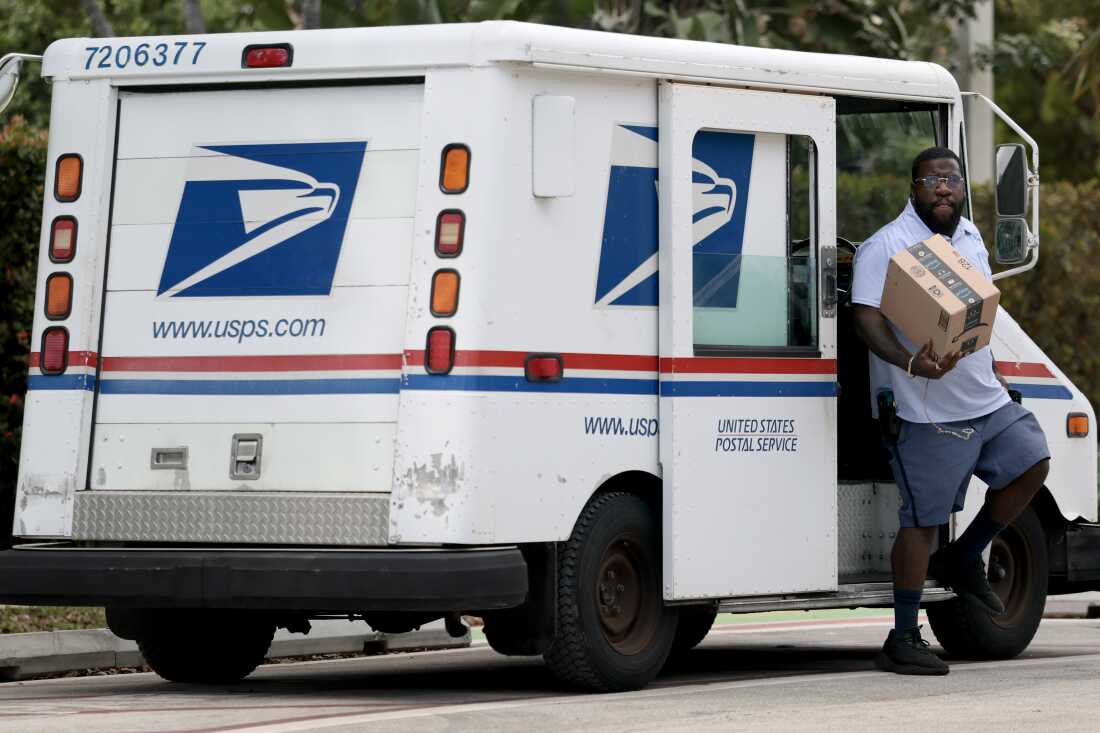
The U.S. Postal Service (USPS) is enduring financial challenges, aided temporarily by pausing payments to worker retirement funds. Postmaster General David Steiner informed Congress that while USPS is not on track to run out of money and cease operations next year, the reduction in mail volume continues to place the agency near a financial edge.
Steiner highlighted that USPS is essentially utilizing funds from retirement plans to sustain operations, expressing discomfort with this approach to the Senate Homeland Security and Governmental Affairs Committee. He emphasized the need to discuss solutions for the agency’s flawed business model.
Measures Taken by USPS to Address the Financial Situation
Earlier this year, Steiner warned deliveries might halt by February 2027. In response, USPS has implemented spending restrictions and signed a deal with DHL eCommerce for package deliveries. Customers might notice temporary 8% price hikes initiated in April to counter rising fuel costs, ending in January. A long-term adjustment will see stamp prices increase by 5%, starting July 12.
The Postal Regulatory Commission has also reduced financial pressure by waiving USPS’s minimum retirement payments until fiscal year 2030, offering a cushion of approximately $15 billion. Robert Taub, the acting chair, noted that these actions extend the timeline before USPS faces a significant cash crisis.
Despite these measures, USPS reported a net loss of $2 billion in the second quarter of this fiscal year, after a $9 billion loss the previous fiscal year. Steiner called for congressional help by proposing legislative revisions allowing USPS more borrowing options and modifications to retirement plans.
Controversies Linked to USPS
Alongside financial pressures, USPS faces controversy regarding its involvement in the upcoming census and midterm elections prompted by the Trump administration. Trump officials have directed USPS to conduct interviews for census field tests, a move criticized due to cost-effectiveness concerns. Additionally, an executive order from President Trump aims to restrict mail voting, with USPS proposing new regulations to manage voter lists.
Steiner clarified to Sen. Gary Peters that under the proposed regulation, USPS would not mail ballots for states refusing to provide absentee voter lists. The agency faces numerous lawsuits concerning this order, with critics arguing USPS lacks the authority to refuse mail deliveries based on voter lists.
In response, Senate Democrats have urged USPS to abandon the proposed regulation and return to its primary mission of delivering universal postal services. The Trump administration’s Postal Service governor nominees refrained from commenting on USPS’s role in mail voting during recent Senate hearings.