UConn Student from Iran Hopes for Change Amid Conflict
An international student from the University of Connecticut named Sadaf Zarei expresses concerns for her home country of Iran. She highlights the struggles of the Iranian women’s soccer team, especially its captain who abandoned her asylum attempt in Australia due to fears for her family’s safety under Iran’s strict regime. Zarei calls attention to the digital blackouts and human rights violations in Iran; she insists on ending the regime she describes as a “criminal terrorist entity.”
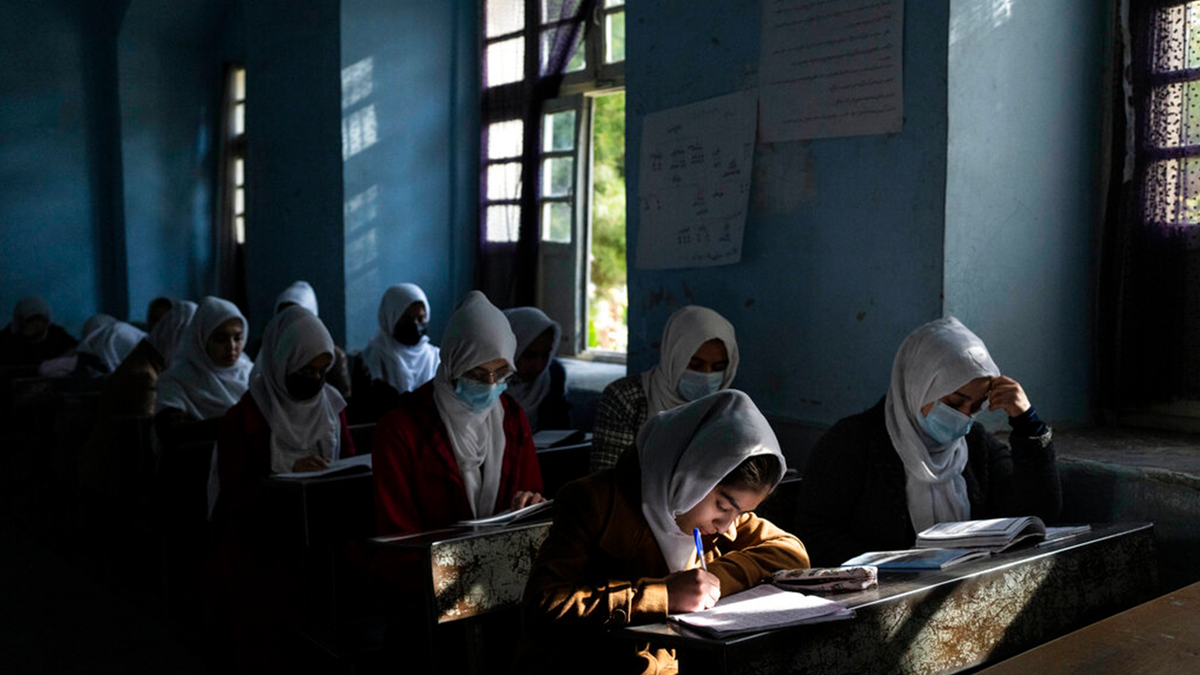
Meanwhile, the situation for women in Afghanistan has dramatically worsened five years after the Taliban’s return to power. According to UNESCO, 2.4 million Afghan girls remain barred from secondary school. Afghanistan is now the only nation that blocks girls and women from schooling beyond primary levels, as outlined in a new UNESCO report.
Afghan girls used to attend schools freely, but since the Taliban’s rise on August 15, 2021, access to education for girls has been systematically dismantled. The United Nations and several nations continue pressuring the Taliban to reverse the ban. However, the Taliban maintains the issue is purely domestic.
The decline in educational access has not only erased progress but threatens Afghanistan’s economic stability. UNESCO highlights how nearly half of the population lives under the poverty line, and limiting women’s educational and professional opportunities exacerbates the crisis.
Experts warn that excluding girls from education affects not only their economic prospects but also their mental health and increases early marriage risks. Male students are also impacted as teacher shortages worsen due to bans on female instructors teaching boys.
In response, UNESCO is offering community-based education and skills development programs, involving nearly 70,000 participants, with women making up 73%. Though these initiatives aid in skill acquisition and household income improvements, UNESCO insists they cannot substitute formal education.
Efforts continue on local levels to keep educational opportunities alive. UNESCO underscores the necessity of restoring the educational rights of Afghan women and girls, marking it as a non-negotiable human right. It calls for persistent global awareness and action until rightful access to education is guaranteed.