Understanding Your Toddler: Strategies for Managing Challenging Behaviors
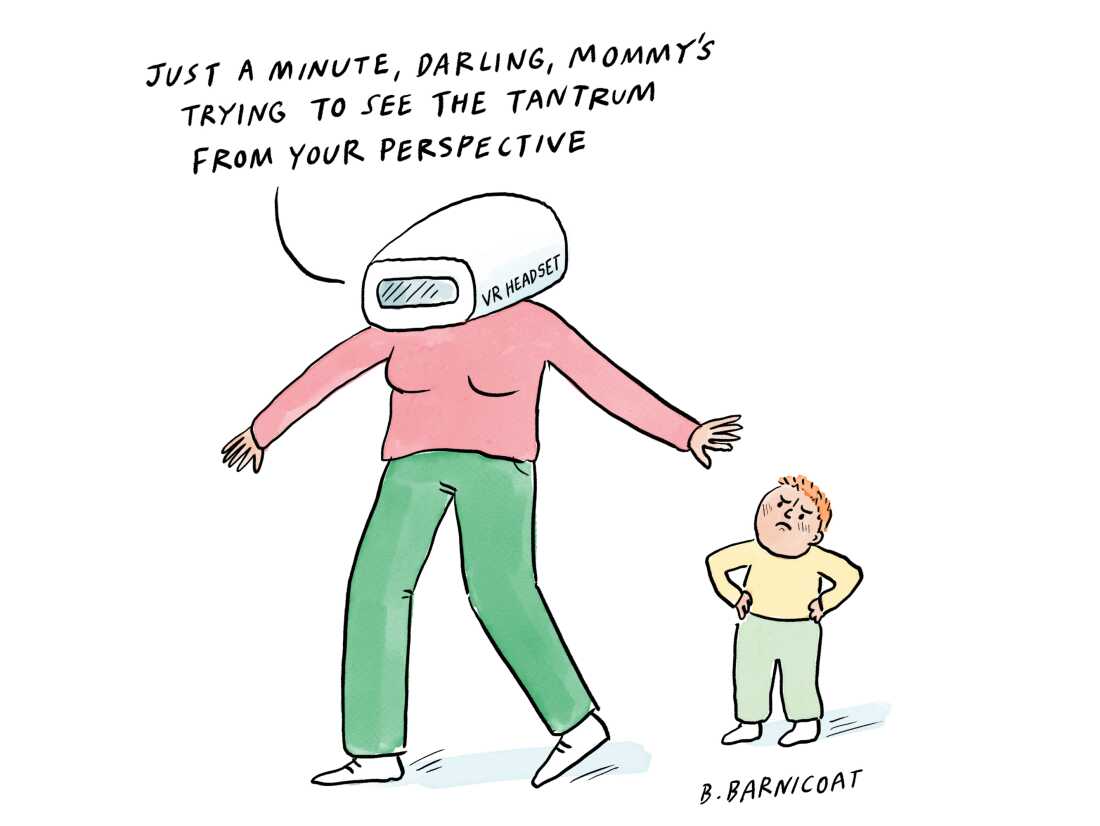
Raising a two-year-old can be quite a challenge. One morning, my son showered me with affectionate hugs, and moments later refused the blueberry muffins he claimed were his favorite only last week. After breakfast, the infamous battle to put on his shoes awaited. As parents, it often feels like navigating a game of emotional ping pong with your child. This experience can be demanding for both the parent and the child.
Pediatric psychologist Roger Harrison explains that rapidly changing emotions and defiant behavior are normal for children aged one to three. These behaviors help in developing the child’s sense of self and understanding of their environment. However, these can often cause frustration for parents. It’s easy to lose patience when faced with tantrums and power struggles. Harrison suggests that viewing these behaviors as part of your child’s social and emotional learning can be beneficial.
“Understanding the reasons behind certain behaviors and placing them in a developmental context allows parents to approach these situations with strategy,” says Harrison, division chief at the department of child and adolescent psychiatry, Children’s Hospital of Philadelphia.
Understanding Toddler Behavior
Harrison and other child development experts provide insight into common toddler behaviors and offer strategies for managing them.
Why does my toddler say “NO!” to everything?
Your toddler’s refusal to accept things, even those they like, is typical of this development stage. Harrison notes that toddlers are rapidly developing language, cognitive, and motor skills while realizing they are separate individuals from their caregivers. Testing boundaries is part of establishing independence. So, when your toddler stridently says, “NO!” to a favorite treat, they might be expressing newfound individuality.
Parent Tip: When you need a positive response from your toddler, display a calm demeanor and provide clear choices. For example: “Yes, we need to leave the park. You can either take one more slide and then walk with me, or I will carry you out.”
Why does my toddler claim everything is “mine”?
Toddlers often retain possession over things as they build identity and independence, Harrison explains. They test boundaries to understand themselves better. Your child’s repeated claim of “Mine!” reflects their exploration of the world around them without selfish intent.
Parent Tip: To encourage sharing, model and guide the behavior. After a toy dispute, have your child practice asking for a turn by extending a hand and saying, “turn, please.” Practice before returning to play.
Why does my toddler smash or crash into everything?
Your child may spill, lick, or act boisterously to gather sensory information about their surroundings, says Layne Deyling Cherland. Every action is a data-gathering opportunity for them. They might also crave sensory experiences like deep pressure to help with coordination and self-regulation.
Parent Tip: Allow safe exploration. This can strengthen the child-parent bond. Create an obstacle course for physical activity or play blind taste tests to make eating fun.
Why does my toddler ignore repeated requests?
If you’re repeating instructions often, expert Jamie Glowacki suggests you’ve lost control of the situation. Many toddlers don’t understand negative commands. If you say, “Don’t run in the kitchen,” they might only process, “run in the kitchen.” Guide them with clear, positive instructions.
Parent Tip: Instead of saying what’s not allowed, explain expected behavior. For instance, “walk slowly in the kitchen,” shows what they should do.
Why does my toddler resist transitions?
Constant transitions in daily activities can be unsettling for toddlers. They thrive on routine but can be frustrated when shifting from enjoyable activities. Glowacki explains this change can be difficult, especially with factors like hunger or fatigue adding stress.
Parent Tip: When a transition provokes a tantrum, empower your child with choices. “Blue or purple plate? Juice or milk?” allows them agency while keeping them safe.
Editor Malaka Gharib and art director Beck Harlan contributed to this story. Share your thoughts by leaving a voicemail at 202-216-9823, or email [email protected]. Listen to Life Kit on Apple Podcasts or Spotify, or subscribe to our newsletter. Follow us on Instagram: @nprlifekit.