The Significance of a West Point Graduation Speech
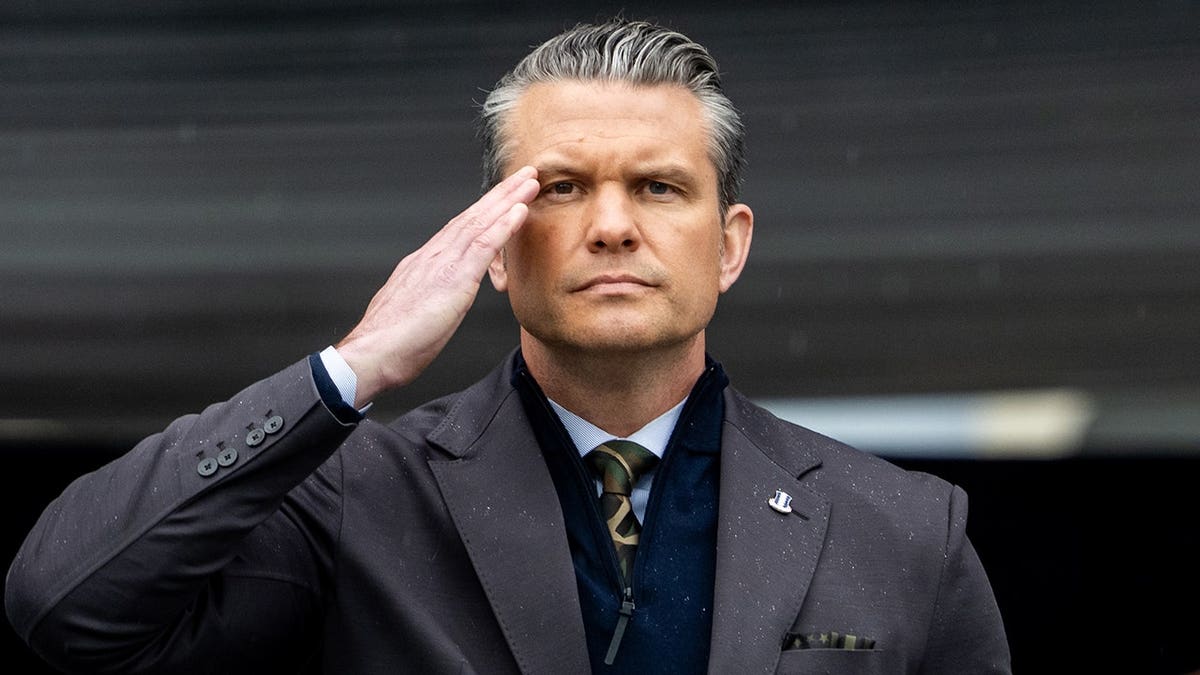
On a rainy Saturday morning, I observed the United States Military Academy as cadets marched into Michie Stadium. This marked the beginning of their journey as part of the Long Gray Line. As a West Point graduate from 1973, I was drawn to the ceremony not only to stir old memories but in preparation for a television interview that afternoon. Amidst the event, I heard a rare kind of commencement address that struck a chord deeply rooted in values of God, duty, sacrifice, and war.
Secretary of War Pete Hegseth delivered this impactful speech. My connection with him dates back to when he joined the Family Research Council, where I served after retiring from the Pentagon. During the summer of 2000, he interned with us, demonstrating an intellectual rigor and Christian commitment that made him a distinguished young Princeton student and a basketball player then. My children were immediately fond of him.
Pete’s journey from being a television personality on Fox News to serving with the Army National Guard in Iraq and Afghanistan, and then advocating for veterans, has been noteworthy. His dual experiences on the battlefield and in media lend credibility, resonating with the 994 graduates he addressed.
Hegseth’s speech diverged from the typical graduation narratives, recounting the genuine calling these cadets had accepted. He referenced Isaiah 6:8: “Whom shall I send, and who will go for us? … Here am I! Send me.” This resonates deeply as these cadets transition into United States Army officers, ready to face the realities of deployment and combat.
The historic mission of West Point, established in 1802 under President Jefferson, is to create leaders of character equipped to defend the country. The institution’s motto, “Duty, Honor, Country,” embodies the sacrifices associated with this goal, distinguishing it from other educational paths.
A similar sense of responsibility echoed during my own graduation in 1973. The era was shadowed by the Vietnam War and geopolitical instability. Today’s cadets face complex challenges: Russia’s aggression in Ukraine, China’s threat to Taiwan, and evolving warfare technologies like AI and cyber warfare disrupt traditional military dynamics profoundly.
Addressing issues within military ranks, Hegseth criticized the focus on diversity and inclusion initiatives that have sidelined fundamental military readiness and standards. He reiterated that the core purpose of the military is to win wars, reinforcing “Duty, Honor, Country” as essential guiding principles.
“Combat resolves what ideology cannot. True leadership requires moral clarity amidst incomplete information and unpredictable circumstances.”
The speech also personalized Hegseth’s commitment. Mentioning his own family, he expressed pride in the prospect of his children serving the nation with dignity.
At the close of the ceremony, the Corps of Cadets’ hymn reminded everyone of the timeless connection to predecessors dating back to 1910. As these new graduates embark upon careers in a digitally advancing Army, the enduring importance of character and moral judgment remains essential to command.
Ultimately, America’s military requires not only skilled officers but leaders who appreciate both the dire realities of war and moral obligations, continuing the lineage of service stated with, “Here am I, Lord. Send me.”