Trump Administration Considers Federal Gas Tax Suspension Amid Rising Fuel Costs
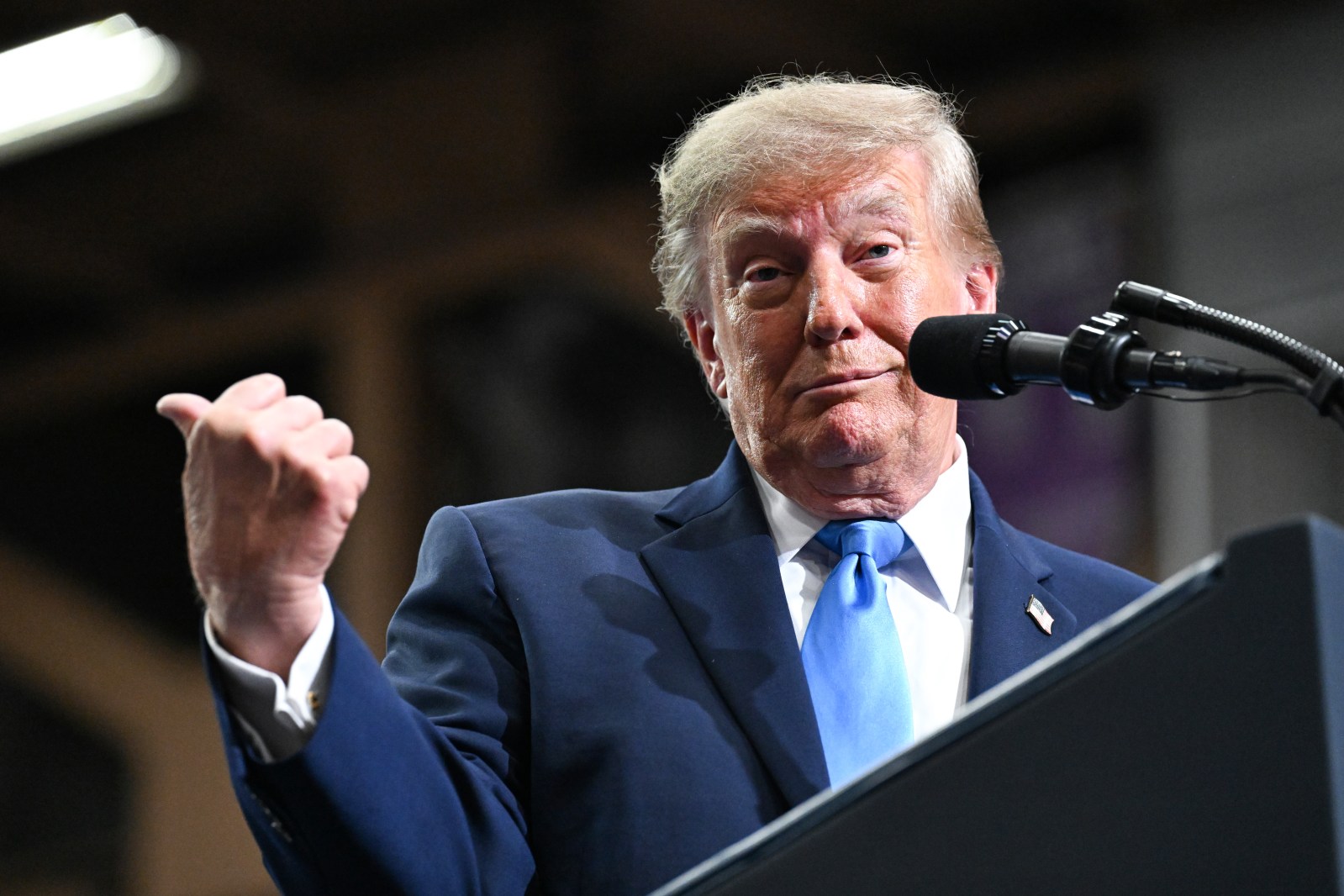
President Donald Trump mentioned the possibility of a federal gas tax suspension on Tuesday. He indicated that his administration is considering this step to combat rising gas and diesel prices as the November midterm elections approach.
With the national average gas price almost 50 percent higher than before the conflict in Iran began in late February, there is increased pressure on the Trump administration to reduce fuel costs. On Monday, Trump signed an executive order to allow tax-free dyed diesel on the road through the year, waiving interest and penalties.
When questioned about a possible federal gas tax suspension, Trump responded, “We’re thinking about that.” Although he has supported suspending the gas tax before, he did not offer additional details regarding the timing of any such action.
Republican Senator John Thune from South Dakota and House Ways and Means Chairman Jason Smith have both shown openness to measures that could alleviate financial strain on Americans.
Current Gas Prices
As of late Tuesday, the American Automobile Association (AAA) reported that the national average gas price was $4.37 per gallon. This marked an increase from $3.12 per gallon a year earlier. California drivers faced the highest costs, paying an average of $6.36 per gallon, up from $4.65 per gallon a year ago. Other states with averages above $5 per gallon included Hawaii, Washington, Nevada, Oregon, and Alaska.
Meanwhile, the national average diesel price was $6.30 per gallon, up significantly from $3.68 per gallon a year ago. California’s diesel costs were the highest at $8.35 per gallon, with Washington and Hawaii also exceeding $7 per gallon.
Impact of a Federal Gas Tax Suspension
The federal tax is 18.4 cents per gallon for gas and 24.4 cents for diesel. A suspension could reduce gas costs by about 4 percent per gallon based on current prices. For example, eliminating the tax entirely could save drivers $1.84 when filling a 10-gallon tank. Larger fill-ups would result in proportionately larger savings.
However, the Bipartisan Policy Center suggests that not all savings might reach consumers. Their analysis predicts prices could only drop by 10 to 16 cents per gallon.
Additionally, suspending the gas tax could lead to a significant loss in federal revenue, affecting highway and public transit funding. The Congressional Budget Office estimates the gas tax generates about $30 billion annually, with the diesel tax contributing an additional $11 billion.
State Actions on Gas Taxes
Several states have either suspended or reduced their gas taxes to combat high prices. Georgia initiated the first such suspension in March, later extending it. Ohio and Indiana have since enacted similar measures, while Utah reduced its fuel tax temporarily.
Kentucky and Illinois have also implemented temporary tax reductions or paused scheduled increases.
Legislative Considerations
The president cannot unilaterally suspend the federal gas tax; Congressional approval is necessary. This bipartisan issue may face challenges, as Democrats seek control of Congress in the upcoming elections.