Afghan Refugees in the U.S.: Life in Limbo and Uncertainty
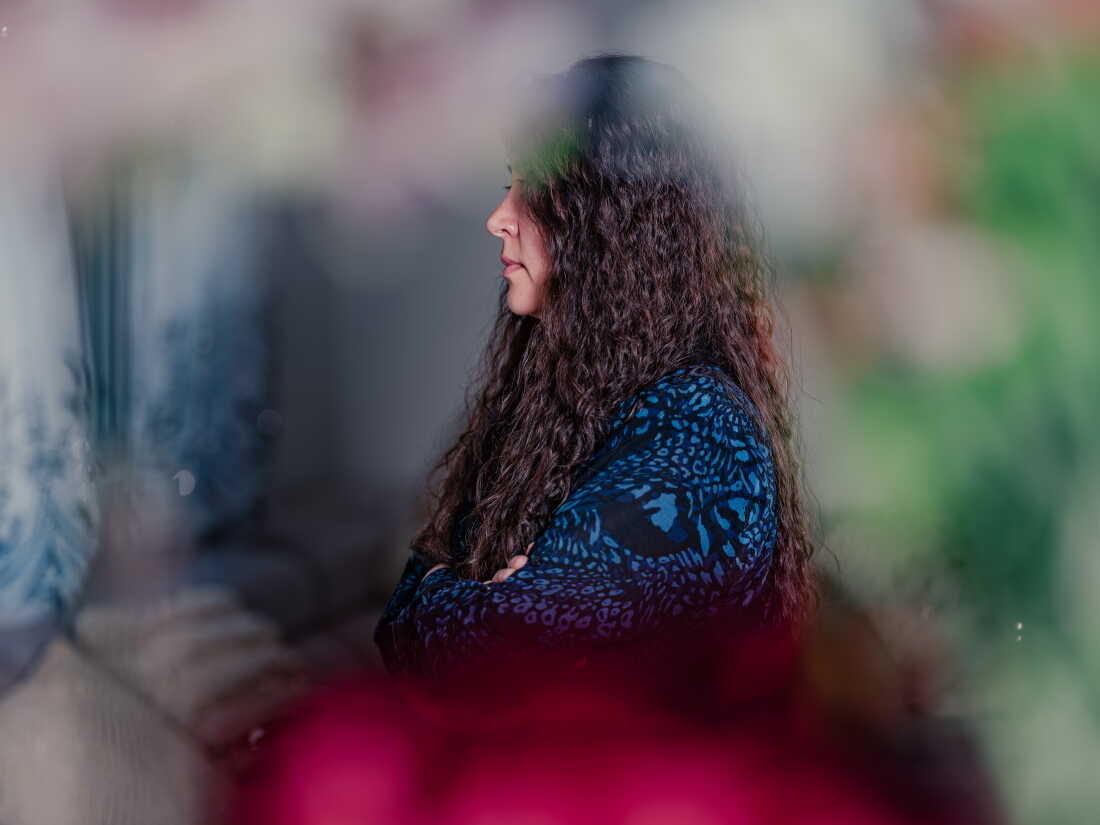
When the Taliban regained control of Afghanistan in 2021, 33-year-old S. was among those who managed to escape. Although she has three children, only her youngest accompanied her to California. Her two other children remain in Kabul. S. has requested anonymity to protect her family still in Afghanistan.
In Fremont, California, around a conference table at the Afghan Coalition’s office, several men and women gather regularly. This non-profit helps Afghan immigrants and refugees adjust to American life. The attendees have varied immigration statuses, from American citizens to recent arrivals seeking green cards.
The meeting includes a ‘know-your-rights’ session led by Freshte Ahrar from the Council on American-Islamic Relations. Ahrar explains how search warrants work and what to do in various encounter scenarios, like refusing to disclose phone passcodes. She warns the group, “No one is safe.”
Fremont is home to about 100,000 Afghans and has been a community refuge. With Trump’s administration back in office, immigration policies have sparked fear among Afghan settlers in the U.S. Shortly after inauguration, Trump introduced stricter vetting procedures, implemented a travel ban that included Afghanistan, and removed the Temporary Protected Status for Afghans.
An incident intensified scrutiny—Rahmanullah Lakanwal, an Afghan evacuee and former counterterrorism soldier, was implicated in a November 2025 shooting near the White House. Following this, U.S. authorities paused immigration processes for Afghan nationals, heightening fear of deportation.
U.S. Immigration and Customs Enforcement detentions rose by over 70% since Trump’s return, with Afghan cases experiencing visa revocations and suspensions. In Fremont, Ahrar conducts sessions on various safety topics, urged by growing immigrant concerns.
A Community Filled with Fear and Uncertainty
Afghans who aided the U.S. are particularly disheartened. Many, like Ahmad, who worked for the U.S. Embassy in Kabul, feel unsafe in America. Ahmad helped promote democracy in Afghanistan but had to flee in 2021 when the Taliban regained power. Fearing Taliban retribution, Ahmad left with his wife and child. Now settled in Concord, California, he remains concerned about his pending residency.
Navigating the uncertainties of immigration is challenging. Ahmad works at a community organization but fears ICE attention due to his provisional status. The Afghan community continues to function under an air of unease.
Struggles of a Separated Family
S.’s story reflects the challenges faced by many. Her evacuation in 2021 separated her from two of her children. For five years she has communicated with them daily, but they remain under Taliban rule in Kabul.
S.’s children were left during the chaotic airport evacuations. Her son, now recovering from surgery, and her daughter, confined to their home, experience life vastly different from their kindergarten sibling in California.
Once hopeful, S. now feels betrayed by the same U.S. government she assisted. Her work for the DEA in Afghanistan became a source of regret. Efforts for her children’s visas have been delayed, with policy changes obstructing their reunification following a crucial lawsuit. Trump’s administration’s policies against “third world countries” slashed chances of resolving her case.
S.’s faith in the U.S. government has greatly diminished. With no certainty of reunification, she struggles with her situation and remains committed to her family against all odds, declaring tearfully, “I’ll never trust them again.”