Anticipating the 2026 Nobel Prize in Economics
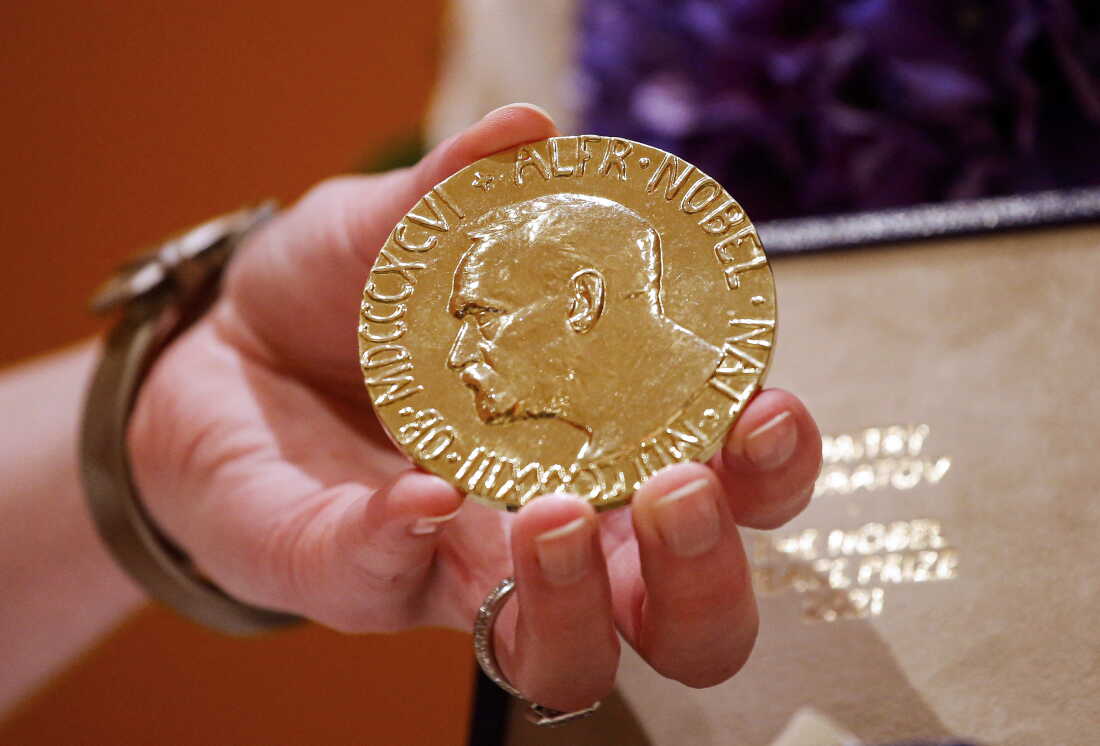
In 2022, an image emerged of a woman holding Russian journalist Dmitry Muratov’s Nobel Peace Prize medal in New York. This photograph, captured by Kena Betancur and distributed by AFP via Getty Images, leaves an indelible mark. Moving forward, anticipation builds for the announcement of the 2026 Nobel Prize in economics. This revelation is set for Monday, with coverage expected from the Planet Money newsletter and The Indicator podcast.
In the days leading up to the announcement, there is an opportunity to reflect on significant economics research that has yet to receive this prestigious Swedish accolade. Speculation grows over potential recipients of this renowned prize.
Understanding the Prize
The official designation is the Sveriges Riksbank Prize in Economic Sciences in Memory of Alfred Nobel. Created by Sweden’s central bank in 1968, it is distinct from the original Nobel Prizes founded by Alfred Nobel’s will. This background and more will be featured in an upcoming episode of The Indicator.
Nobel laureates are often chosen from among older professionals. This is due to the committee’s preference for deep evaluations on the impact of candidates’ research. Selections may vary; sometimes focusing on contemporary themes, while other times on technical advancements enhancing the study of economics.
Markets as Predictive Tool
Insight into potential winners emanates from markets, tools favored by economists for forecasting. Markets blend diverse information, condensing global knowledge into a singular figure: a price. This notion was famously described by economist Friedrich von Hayek, a Nobel laureate in 1974.
The stock market exemplifies this model. It acts as a colossal information processor, with stock prices echoing collective beliefs about future company earnings. A similar principle extends to prediction markets, where traders wager on specific outcomes like Nobel Prize winners. These prediction markets have risen in popularity, presenting glimpses into possible future events.
Challenges of Prediction Markets
Yet, the prediction market for the 2026 Nobel in economics remains quite small. By Tuesday afternoon, October 6, its trading volume stood at around $11,000. In stark contrast, Kalshi’s primary market for the 2024 presidential election saw $670 million in trades. With low activity, this Nobel market reflects the guesses of few participants rather than widespread insight. Nonetheless, it serves as an entry point for exploring influential economic theories and researchers.
Likely Candidates
Present top contenders in the prediction market include Ariel Pakes, Susan Athey, and Robert Barro.
- Ariel Pakes: A Harvard University economist, he excels in industrial organization, examining how industry structures influence competition, pricing, and consumer options. Pakes co-authored a key study on the American automobile industry in 1995, introducing the BLP model used in assessing mergers’ effects on prices.
- Susan Athey: As a Stanford authority, Athey specializes in digital technology’s economics. She received the John Bates Clark Medal in 2007 for groundbreaking contributions. Athey utilizes machine learning to probe cause-and-effect questions in economics.
- Robert Barro: At Harvard, Barro is noted for the theory of Ricardian equivalence. He proposes that government debt, foreseen by taxpayers, might not spur the economy as intended, suggesting immediate tax akin to future financial implications.
Other Notable Economists
Additional strong candidates include:
- Thomas Piketty and Emmanuel Saez: Their research on inequality has broadened discourse on income distribution.
- Raj Chetty: Known for insightful analysis on economic mobility, Chetty examines factors affecting the American Dream’s attainability.
- David Autor: His work focuses on technology and trade’s impacts on labor markets.
- Janet Currie: Currie’s studies address childhood conditions’ long-term economic effects.
While prediction markets offer a glimpse into potential outcomes, they aggregate limited insights. Stay updated with Planet Money‘s newsletter for further analysis on the Nobel Prize winner announcements. For more information, subscribe at npr.org/planetmoneynewsletter.