Name Mix-Up in Political Races: Kennedy’s 1946 Campaign vs. Alaska’s Senate Battle
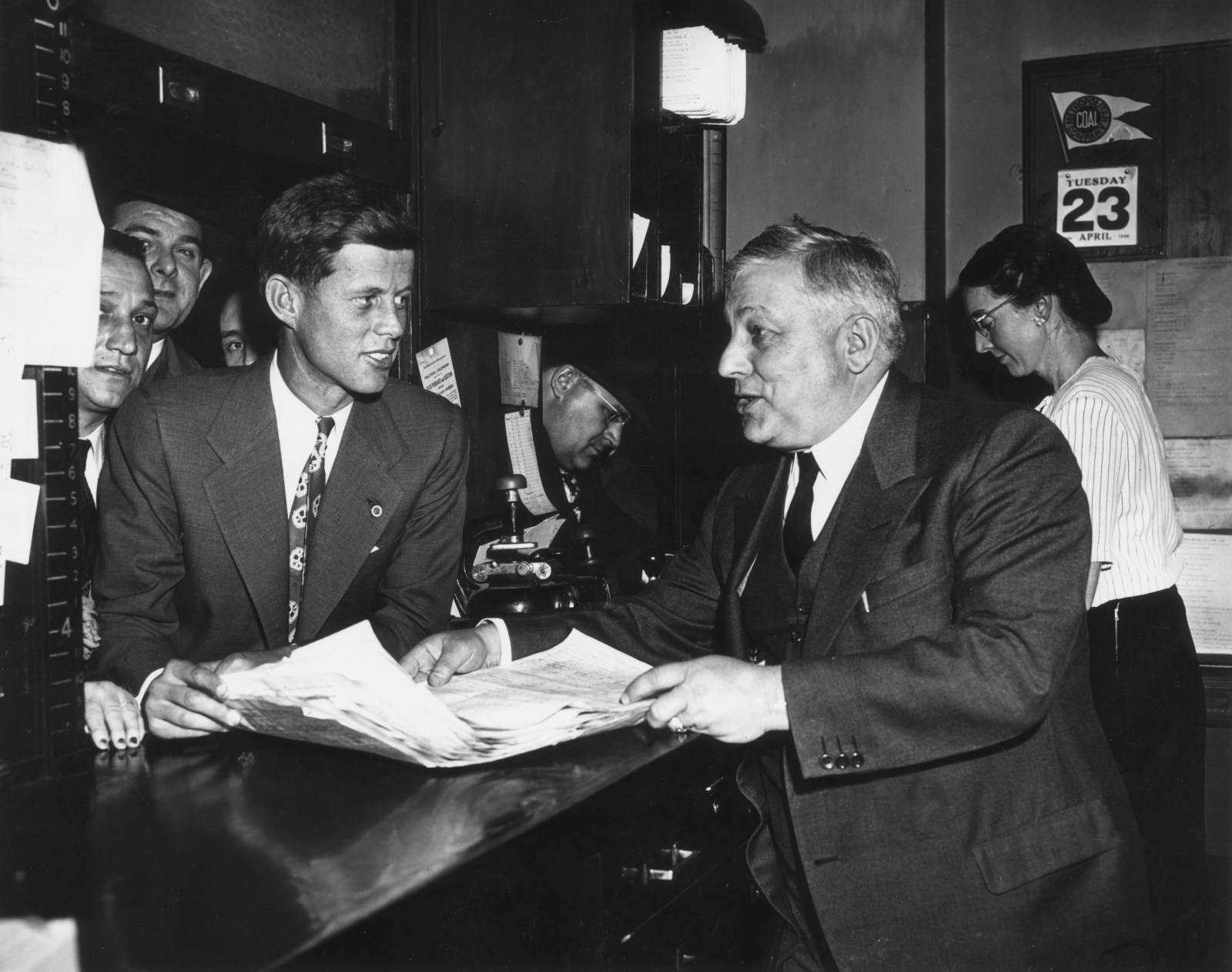
The Kennedy Connection:
The contest between two candidates named Dan Sullivan in Alaska’s U.S. Senate race has parallels from John F. Kennedy’s first congressional campaign. In 1946, the Democratic primary saw two individuals named Joe Russo running against Kennedy.
The controversy surrounding Alaska’s election involves a lawsuit filed by the Trump administration. The administration wants to block certification if Republican incumbent Dan Sullivan loses, claiming voters might confuse him with Daniel J. Sullivan Jr. Officials in Alaska have responded, requesting the lawsuit be dismissed by a federal judge. The outcome of this November 3rd contest could potentially impact Senate control.
Historical Parallel
During Kennedy’s campaign, a similar issue arose in Massachusetts. Among Kennedy’s opponents was Joseph Russo, a significant figure in Boston’s politics and a long-standing city councilor. Another Joe Russo, a 27-year-old janitor, entered the race, prompting allegations of political manipulation.
The younger Russo was allegedly paid by Kennedy’s campaign manager to join the race, possibly fracturing support for the established candidate. A documentary featuring Mark Dalton, a Kennedy campaign worker, suggests Kennedy’s father Joseph P. Kennedy Sr. was involved in this maneuver.
“There’s no doubt in my mind that Joe Kennedy and the people around him put one of those Joseph Russos in the fight,” Dalton said.
Impact on Votes
Despite the name confusion, Kennedy won the nomination by a sizable margin, with 22,183 votes to Russo the councilor’s 5,661, and Russo the janitor’s 773. Kennedy’s political journey thus began, leading to eventual presidency.
The elder Russo continued his public service after losing, becoming chair of Boston’s Election Commission. His encounter with Kennedy at a 1956 convention revealed no lasting animosity, according to museum accounts.
Alaska’s Current Battle
In Alaska, Republican Senator Dan Sullivan faces Daniel J. Sullivan Jr., running independently. Republicans imply the challenger aims to divert votes from the incumbent, though Sullivan Jr. denies being a political ploy.
The Alaska Supreme Court permitted Sullivan Jr. on the ballot, differentiating the candidates by listing the senator as a Republican incumbent and the challenger by his complete name. Ranked-choice voting lets voters rank both candidates.
The Justice Department’s lawsuit seeks to stall certification if votes for Sullivan Jr. could alter the result. President Trump has voiced support for this legal approach.
Alaskan officials contend federal intervention lacks merit, challenging the feasibility of discerning voter intent without compromising ballot secrecy. A decision is anticipated shortly.
Former State Attorney Dave Aronberg commented that any encouragement for Sullivan Jr. to run wouldn’t void his candidacy or expel others from the race.
The political episodes, though decades apart, reflect how candidates with identical names can stir election controversy. They highlight differences between alleged manipulation and legal criteria for candidacy.