The Growing Menace of Identity Theft in Immigration Law
Immigration attorney Angel Leal Jr. experiences profound frustration and anger due to identity theft. “I don’t have enough words to describe these subhuman people, because that’s what they are,” Leal says. His image, name, and even his voice have been cloned using artificial intelligence, deceiving immigrants seeking legal status in the U.S. This deception targets the Hispanic community, which is already burdened with fear and insecurity.
Leal’s outrage stems from scammers using fake contracts with his firm’s logo, forged signatures, and websites that mimic his own. The most troubling element is the fake immigration hearings; victims believe they are securing residency or citizenship. “It’s all a lie,” Leal laments. This issue isn’t isolated. Over 1 million identity theft scams were reported in the U.S. last year alone, surpassing $3.5 billion in losses, a sharp increase from 2024’s figures.
There is a tremendous demand for immigration lawyers, according to the Transactional Records Access Clearinghouse (TRAC) at Syracuse University. The system had over 3.3 million active cases by February’s end, primarily involving asylum-seekers awaiting hearings. Yet, just 32.8% of immigrants facing deportation had legal representation as of March.
“There is a lot of fear because of Trump’s immigration policies,” says Adonia Simpson, deputy director at the American Bar Association.
Simpson highlights how AI, fear, and social media now fuel these scams. Fake profiles tout impossible promises, exploiting the vulnerable. Scammers manipulated videos of Leal, making impostor promises of “U.S. citizenship without an exam, immediate work permit, residency in unrealistic time frames.”
Leal’s frustration has pushed him to severe actions; he closed all WhatsApp channels of his firm and hired specialists to identify and report fraudulent profiles. Despite these measures, scammers continue targeting him, forcing allocation of firm resources to manage fraud victims who mistakenly contact his office.
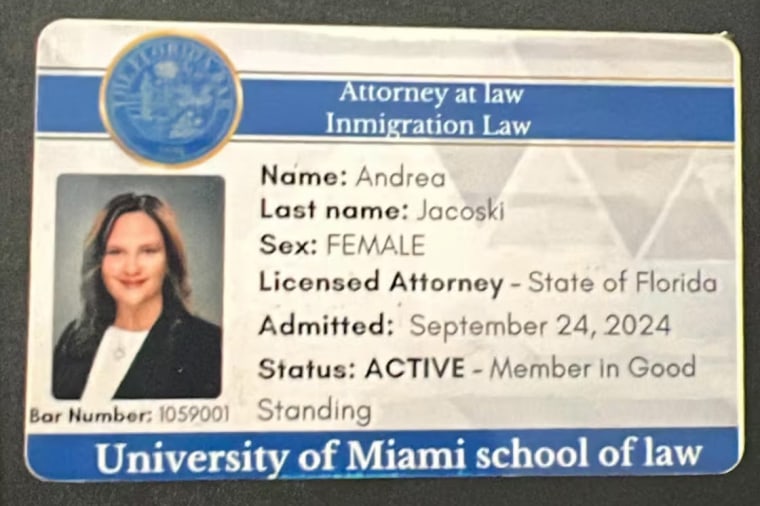
Andrea Jacoski, associate director of the University of Miami’s Immigration Clinic, also faces a similar conundrum. Impersonation has reached levels where fake IDs and bar numbers convince victims of false assistance. Notifications to state bars and the ABA saw her genuinely concerned, as federal features enable incidents to impact widely.
Simpson mentions the ABA’s significant steps, such as campaigns dissuading clients’ reliance on fraudulent methods, which scammers adjust to continue conning victims daily. SAB was scammed into believing ABA charges for services when they do not. The revisited tactics hinted at “pro bono” services involving fictitious fees and represent dangerous loss avenues for victims.
Eric Barragán Ramírez of Catholic Charities experienced a personal fraud impact when scammers used his identity, as well as an unrelated individual’s photo, to create a fictitious law firm site. Investigations unveiled similarly manipulated profiles designed to exploit accredited representatives.
Posing risks beyond financial harm, experts point to legal losses victims suffer. A mishandled asylum case or missed hearing may lead to inescapable legal dilemmas, devastating beyond repair. Jacoski and others like Leal emphasize the need for victims to verify the authenticity of their legal support to prevent such occurrences.
Simpson echoes these concerns. While victims’ vulnerability primarily fuels these scams, limited digital literacy and fears foster the environment scammers exploit. Many refrain from reporting incidents due to their own precarious immigration situations.
Government agencies continue combating these frauds, with some like USCIS pledging extensive resource investments to handle the issue head-on. Complaints surge, leaving industry groups striving for preventative measures while urging public awareness.
Angel Leal fights on, collaborating with federal authorities, aiming to dismantle scammers’ tactics. He stresses victims’ awareness and due diligence in confirming their legal paths as crucial for safety.