Adapting to a Modern World After Prison
In 1995, at the age of 17, I entered prison. During this time, dial-up internet was a novelty. Few I knew had access to it. By the time I was released in 2010, at age 32, technology had advanced dramatically. The fourth iPhone was prevalent, touchscreens replaced keyboards, and almost everything turned digital. From job applications to government services, healthcare portals, and daily communication, the digital revolution had occurred entirely in my absence. Within prison walls, I missed all of it.
My first year home was marked by intense work. I occupied two full-time jobs and a part-time position. My days included shifts at a pizza shop, phone duty at a payday loan company, and janitorial roles in a local church. I consistently worked between 100 to 140 hours each week, believing I was achieving success. However, a visit to H&R Block for filing taxes was eye-opening. After presenting my W-2 forms, I learned my annual earnings totaled $24,600. This sum was far from sufficient.
That revelation made me realize $24,000 yearly earnings do not support basic living costs. Without familial support, my situation would have been dire. It was a moment of clarity about why many give up. Despite doing everything right, the math did not add up. When faced with this reality, it’s not surprising when different choices are made.
The issue wasn’t solely about low wages. It was the lack of tools required in today’s economy. I was motivated, gritty, and ready for tough hours but lacked digital literacy. By 2010, this gap was already evident. Missing whole technological advancements meant I had never filled a digital job application or navigated online benefit systems. Hard work couldn’t fill this technological void.
As I progressed in reentry advocacy, I often wondered if my path would have been different with those digital skills honed during my prison years. Skills like resume development, online job applications, email creation, and more had become routine for others but were foreign to me. Secure digital access in prison distinguishes those able to succeed outside from those reverting to past behaviors.
Now, leading TimeDone, I connect with many who return with motivation but face challenges unrelated to their efforts or character. The consensus is clear: reentry should start before release. Access to tools, training, and support is crucial. Our program aims to bridge this gap by providing community connections, technology access, savings options, mental health services, and support. I strive to ensure these resources are available before release and that there’s support if challenges arise.
My experience was one version of reentry. I aim to prevent future returnees from facing similar struggles.
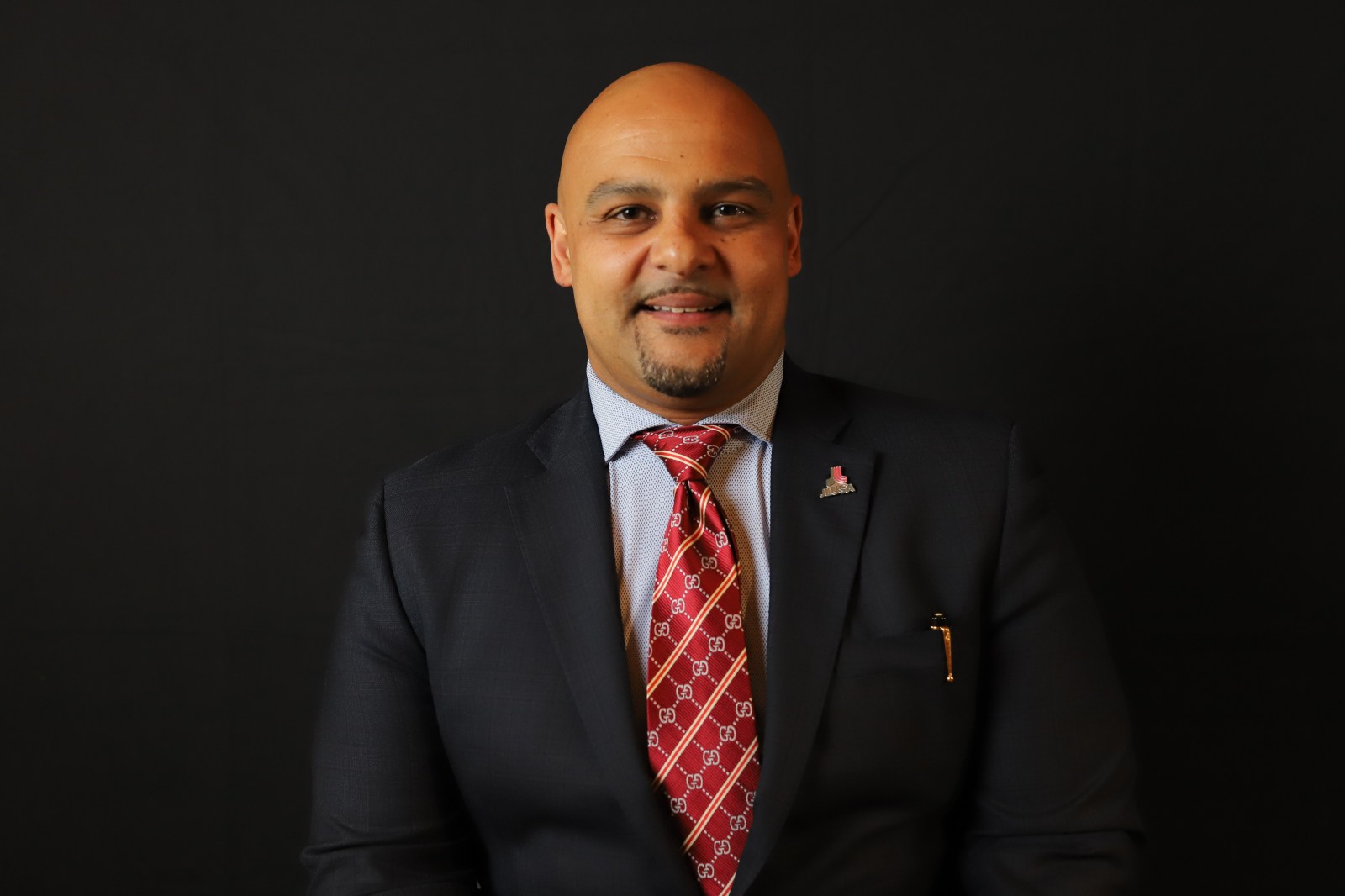
Saad Soliman serves as the national director of TimeDone at the Alliance for Safety and Justice. He leads national efforts for policy and system changes for individuals with past convictions. Widely recognized for his work in reentry systems, he contributes his expertise to the U.S. Department of Justice, federal courts, and national policy advisories.
All views are personal to the author.
Interested in sharing your personal essay with Newsweek? Send your story to [email protected].