Adapting to Heat Waves in French Hospitals
Ice: A Vital Resource
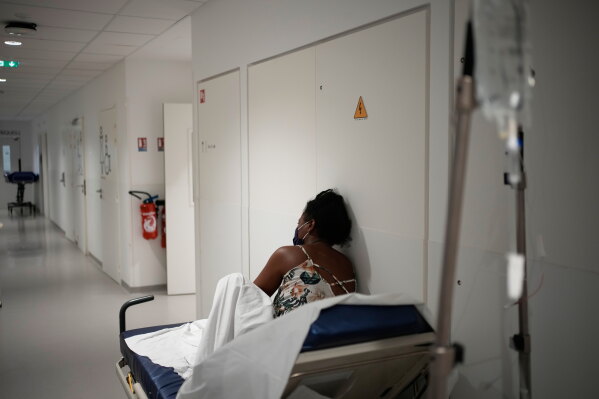
In Orsay, France, the urgent need for ice became evident as the Paris-region hospital sought ways to help patients cope with a record-breaking heat wave. Ice was needed for cold-water baths to rapidly reduce dangerously high body temperatures. Without an ice-making machine, the hospital turned to a fast-food restaurant for assistance. The restaurant allowed personnel to use its ice supply; staff also purchased ice from a local supermarket.
The Paris-Saclay Hospital, in preparation for future heat events, has ordered its own ice machine. Climate change has made extreme heat waves a recurring threat, similar to how medical professionals prepare for annual flu seasons. Hospital administrators are aware that managing heat-related incidents is now routine.
Lessons Learned
As relief was felt from the heat, Cédric Lussiez, director of the public hospital, shared his reflections on the experience. The preceding week had been especially challenging, with the hospital operating round the clock to find rapid solutions. Though initially confident in their preparedness, the hospital discovered gaps in their readiness, prompting a reevaluation of plans to better handle heat waves.
Efforts to improve preventive measures are advancing nationally. In response to the high temperatures that affected France, the United Kingdom, and other regions in Europe, French Prime Minister Sébastien Lecornu announced a 100-million euro investment in cooling systems for hospitals. Additionally, 30,000 air-conditioning units are being acquired for healthcare facilities, with deliveries slated to commence shortly.
WHO’s Warnings
The World Health Organization has described the heat wave as a preview of increasingly severe summers. Europe is warming at more than twice the global average rate, and heat waves have transitioned from rare occurrences to predictable annual events. WHO warned that inadequate preparations for these events lead to increased mortality rates.
Health Impacts
At Paris-Saclay Hospital, head of the emergency department Dr. Nicolas Gonzales observed a rapid influx of patients due to the heat. Starting June 20, a spike in heat-exposure cases emerged, with patients experiencing drastic health declines. The first emergency call involved a 50-year-old in a coma at home, with a body temperature of 40 degrees Celsius. The patient, who had been seemingly healthy beforehand, required urgent hospitalization.
Subsequent cases included heart attacks, dehydration, kidney dysfunctions, and other heat-related issues affecting people of all ages. Gonzales emphasized the severity of heat as a physical stressor, noting its potential to overwhelm the body’s defenses, leading to sudden health crises.
Upgrading Defenses
While Paris-Saclay is a new facility equipped with air conditioning, its associated older hospitals struggled to cope with the heat. Innovative, though temporary, cooling measures were implemented, including electric fans and ice to prevent medicine spoilage.
Student nurses were enlisted to help keep patients hydrated. In a psychiatric unit, temperatures soared to 33 degrees Celsius, driving urgent improvements, such as developing cool rooms on each floor and relocating elderly patient departments to more equipped facilities. Such renovations aim to ensure better future preparedness.
The adjustments are intended to enhance readiness against upcoming heat waves, positioning hospitals for improved patient care in extreme conditions.
Contributions: Associated Press journalist Alex Turnbull contributed to the reporting of this article.