Balancing Debt Repayment and Emergency Fund Savings
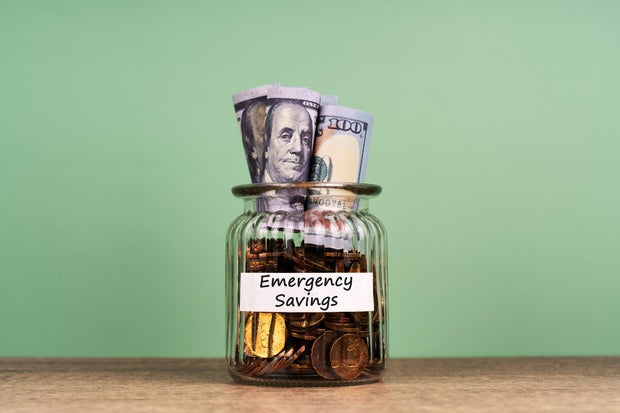
In the current economic climate, balancing debt repayment with building an emergency fund is crucial. Americans are grappling with increasing financial pressures due to rapidly rising inflation. This surge impacts the cost of essentials, forcing many to rely on credit cards to fill budget gaps. Unfortunately, high interest rates make this practice costly.
A study from Achieve shows that Americans’ growing debt burdens severely affect their financial and emotional well-being. Many borrowers experience stress due to debt and monthly expenses. While paying off debt is important, ignoring an emergency fund creates another form of financial risk.
The Importance of an Emergency Fund
A common outcome is that people rely on credit cards for unexpected expenses, perpetuating the debt cycle. The better strategy balances paying off debt with building an emergency fund. How much should you save while paying down debt?
Recommended Emergency Savings
Experts often suggest having three to six months of living expenses as emergency savings. However, for those paying high-interest debts, a more realistic starting point is a fund of $1,000 to $2,500. This modest amount protects against common financial disruptions without diverting excessive funds from debt repayment.
The amount of emergency savings varies based on individual circumstances. If your income is uncertain or you are self-employed, a higher fund may be necessary due to the potential for income disruptions. Homeowners might also require more than $1,000 as repairs can be costly. Conversely, renters with stable jobs and fewer financial responsibilities may manage with less.
Debt Type Considerations
Debt type matters. Multiple high-rate credit card debts warrant a minimal emergency fund with aggressive debt repayment. In contrast, federal student loans or low-rate auto loans can be less urgent in prioritizing debt over savings.
Exploring Debt Relief Options
For some, debts are too substantial to manage with traditional methods. If paying monthly minimums consumes much of your income, building a basic emergency fund alongside managing balances can be challenging.
Consider debt relief options. Debt consolidation through a loan or balance transfer card lowers interest rates, simplifying payments and freeing cash for savings. Credit counseling agencies offer debt management plans with lower rates and structured timelines. Alternatively, debt relief negotiations with creditors or bankruptcy might be viable, though the latter has serious credit consequences.
Consulting a debt relief expert or certified credit counselor helps determine the best approach. The goal remains to make debt manageable enough to allow building financial resilience, starting with emergency savings.
Conclusion
There’s no single answer to the amount of emergency savings appropriate while paying off debt. For many, a starter fund of $1,000 to $2,500 is adequate. It covers common setbacks without hindering debt repayment. However, if debt feels insurmountable, exploring debt relief options before allocating money to savings is advisable.