China’s Ballistic Missile Test in South Pacific Sparks Regional Concerns
China conducted a test-launch of a long-range ballistic missile from a nuclear-powered submarine in the South Pacific, leading to protests and concerns from nearby countries. The missile, carrying a dummy warhead, was launched at 12:01 p.m., as reported by the Xinhua News Agency. This test is part of China’s routine annual training and adheres to international law. The Xinhua statement, reposted by the Ministry of Defense, clarified that the launch was not aimed at any country or target.
China’s 2024 missile launch tested its intercontinental ballistic missile capabilities. Experts viewed this as a demonstration of China’s evolving superpower status, similar to U.S. testing practices for its own fleet. However, the new test drew criticisms from Australia, New Zealand, and Japan. The New Zealand government criticized the missile’s launch into the South Pacific Nuclear Free Zone. Established by the 1986 Treaty of Rarotonga, this zone prohibits nuclear weapons in the region. China ratified treaties in 1987 to avoid nuclear tests in this zone.
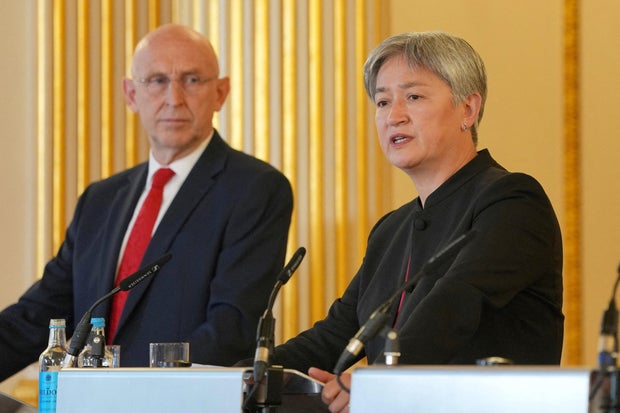
New Zealand’s Foreign Minister, Winston Peters, expressed concerns, noting China’s short notice before launching the missile into the zone. The launch coincided with Australia and Fiji’s signing of a defense treaty to counter China’s influence in the Pacific. Australia considered the missile test destabilizing to regional peace, as Foreign Minister Penny Wong stated during her visit to Fiji.
In Tokyo, the Japanese government urged China to reconsider its test plans. Japan expressed worries about potential threats to its security, including the possibility of missiles passing through Japanese airspace. The Japanese Embassy in Beijing had been notified by Chinese authorities before the test, prompting Japan’s firm response via a joint government statement.
According to the Nuclear Threat Initiative, China currently maintains six ballistic-missile submarines and 59 nuclear-powered attack submarines. These developments highlight the ongoing tensions and strategic maneuvers in the Pacific region.