Colombia’s Political Shift: Election Race and International Relations
Colombia Prepares for a Turning Point
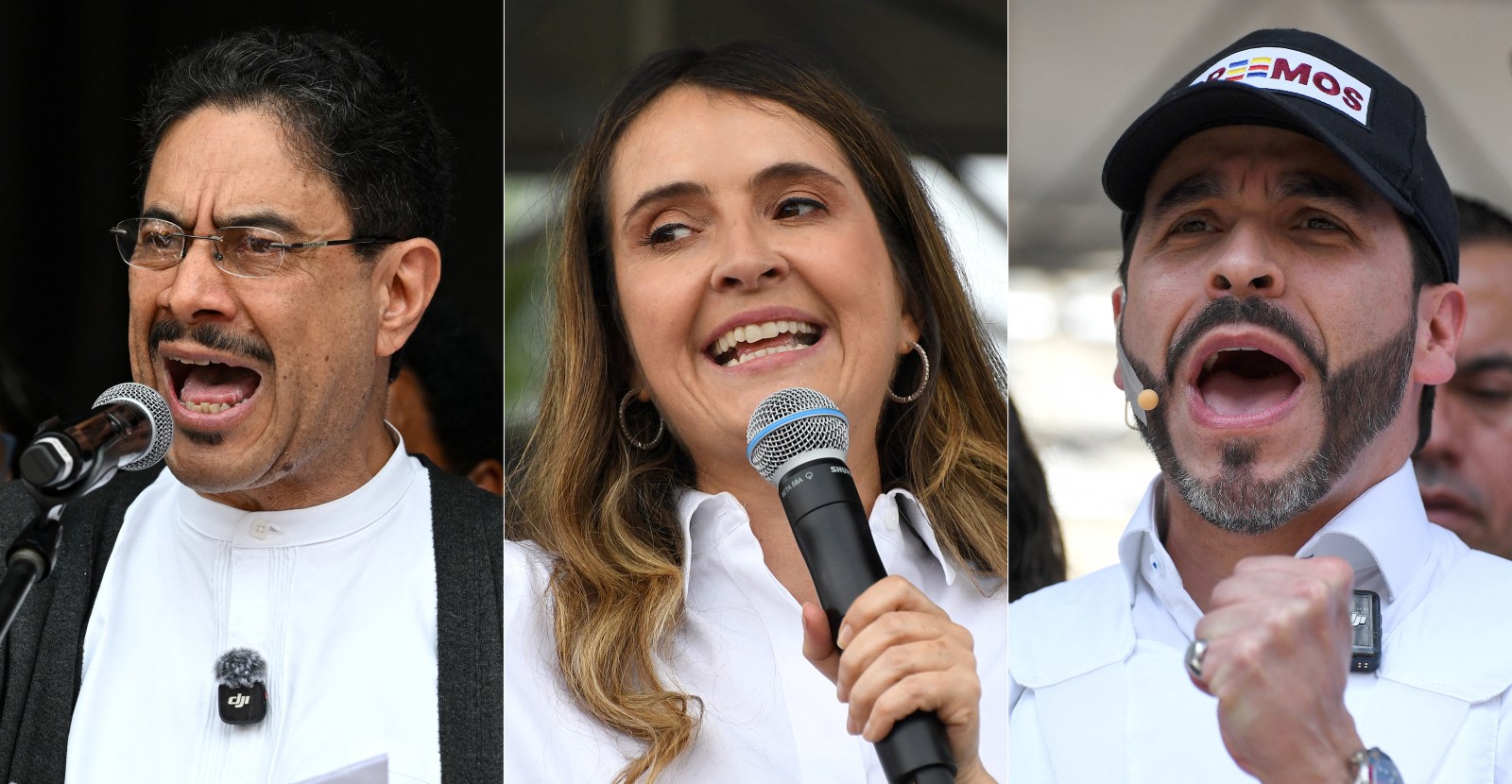
Four years after Gustavo Petro became Colombia’s first left-wing president, the nation faces a crucial decision. Voters will decide whether to continue with Petro’s political approach or shift to a rising hard-right challenger. The leading contenders in this election are Ivan Cepeda, Petro’s chosen successor, and Abelardo De La Espriella, a lawyer who has emerged as a prominent right-wing candidate.
De La Espriella’s campaign resonates with familiar themes seen across the Americas. His strategy includes fierce anti-establishment rhetoric, active social media presence, and promises to restore security. Drawing comparisons to Donald Trump, Jair Bolsonaro, Javier Milei, and Nayib Bukele, De La Espriella has adopted a populist style.
A Nation Divided
Colombia heads into the election deeply polarized. Petro’s time in office ends with approval ratings reflecting a split population. Gimena Sanchez of the Washington Office on Latin America highlights frustrations with the traditional political divide. The desire for something different has fueled De La Espriella’s campaign, which focuses more on defeating Petro’s movement than on detailed policy proposals.
Michael Shifter from the Inter-American Dialogue describes De La Espriella as a right-wing populist capitalizing on anti-establishment sentiment. He prioritizes emotional appeals over policy details. Meanwhile, Petro’s successor Ivan Cepeda is a seasoned left-wing senator leading most polls.
Emergence of an Outsider
De La Espriella is a notable criminal defense lawyer. Despite initial low polling numbers, he has rapidly gained support by positioning himself as an anti-establishment figure. By January, he was tied with Cepeda at approximately 27 percent, eventually reaching 30 percent. Analysts think the political momentum behind De La Espriella could endure even if he loses.
His candidacy is not without controversy. His legal career involved representing high-profile figures and infamous criminals, prompting criticism. Yet, he defends his role as providing legal representation for all clients.
Colombia’s Strained Relations with the United States
Colombia’s relationship with the U.S. has shifted. Once a strong ally, the ties have weakened, especially under Petro. Coca cultivation surged during Petro’s tenure, with Colombia holding a significant share of global production. The U.S. Reaction was severe, with the Trump administration removing Colombia’s drug certification.
A conservative victory promises to rebuild ties with Washington. Both De La Espriella and Paloma Valencia, another candidate, support a tougher security strategy. Critics, however, caution against hard-right approaches due to past human rights concerns.
The Shared Challenge with Venezuela
Colombia’s relationship with Venezuela poses a significant foreign policy challenge. The 1,400-mile border is a hub for armed groups, trafficking, and migration issues. Former Colombian official Julio Paredes emphasizes the necessity to collaborate with Venezuela.
According to Sandra Borda, Colombia’s relations with Venezuela are now heavily influenced by U.S. policies. A redefined alliance might be necessary, urging Colombia to possibly diversify its foreign policy.