The Impact of Primary Systems on Political Polarization
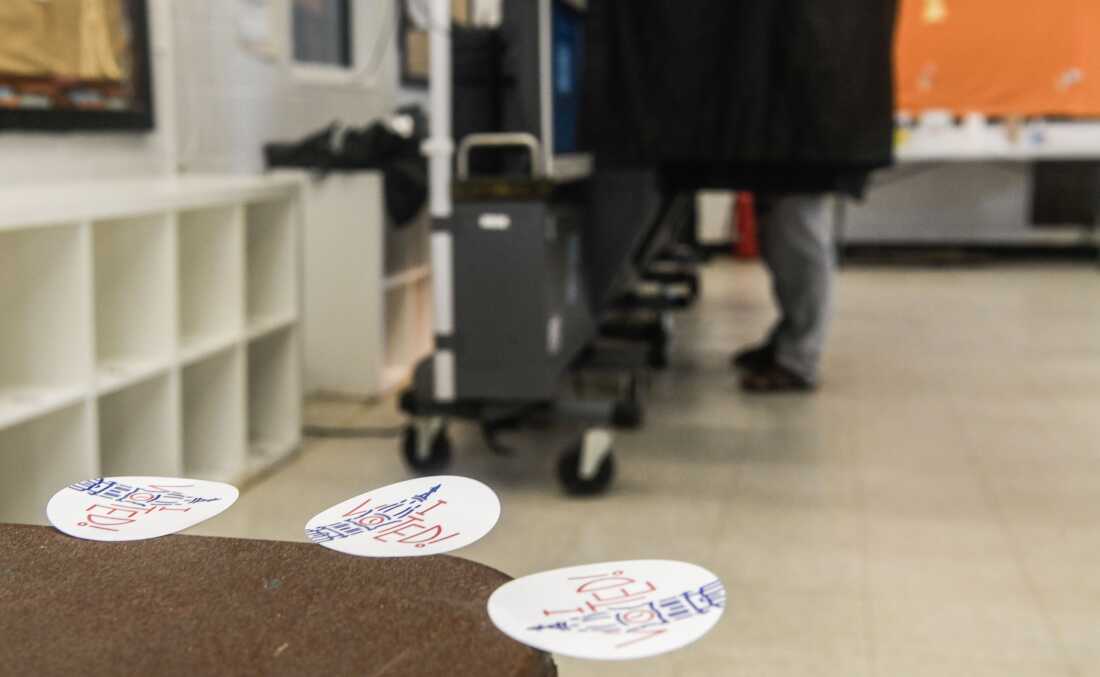
“I Voted” stickers are common during elections, symbolizing civic participation. Some argue primary elections are contributing to increased polarization in Congress. Many lawmakers criticize closed, single-party primaries. They believe these systems limit voter choice and push officials to prioritize party loyalty.
Concerns Over Closed Primaries
John Opdycke, president of Open Primaries, contends that both major parties increasingly shape electoral outcomes before the general public votes. This practice diminishes competition. Recent GOP primaries in states like Indiana and Kentucky have ousted lawmakers who opposed former President Trump. This aligns with mid-decade redistricting, further reducing competitive U.S. House districts. Over 90% of seats are now deemed safe for one party.
Nick Troiano, from Unite America, advocates for nonpartisan primaries. He links partisan primaries and gerrymandering to heightened congressional polarization. Troiano states, “If you’re independent-minded, ideological extremes within both parties target you for extinction.”
Impact on Legislative Independence
Rep. Brian Fitzpatrick, R-Pa., represents a competitive district. Yet, he critiques Pennsylvania’s closed primaries, which restrict voting to party affiliates. This discourages compromise among lawmakers. Fitzpatrick advocates for open primaries. He supports a federal ban on partisan gerrymandering, arguing the two-party system doesn’t accommodate diverse views.
Case Studies in Primary System Effects
Sen. Bill Cassidy, R-La., who voted to impeach Trump, faced defeat in a GOP primary after Louisiana changed to a semi-closed system. This restricted his potential crossover support. Cassidy criticized rules that push politicians toward extremes.
Conversely, Sen. Lisa Murkowski, R-Alaska, succeeded after her state adopted an open primary system. This allows all candidates on a single ballot, with the top four advancing. Murkowski believes open primaries benefit her state, reducing party pressure and increasing voter participation.
Advocating for Change
Despite criticism, political parties resist changing primary systems. Opdycke notes increased efforts to close open primaries. Troiano fears that even slight dissent from party lines now leads to primary challenges. He emphasizes the need for systems encouraging collaboration.
NPR and others found that 86% of Americans disapprove of Congress’s job performance. Closed primary systems contribute to this dissatisfaction by promoting gridlock instead of compromise.