Concerns Rise Over Conditions in ICE Detention Facilities
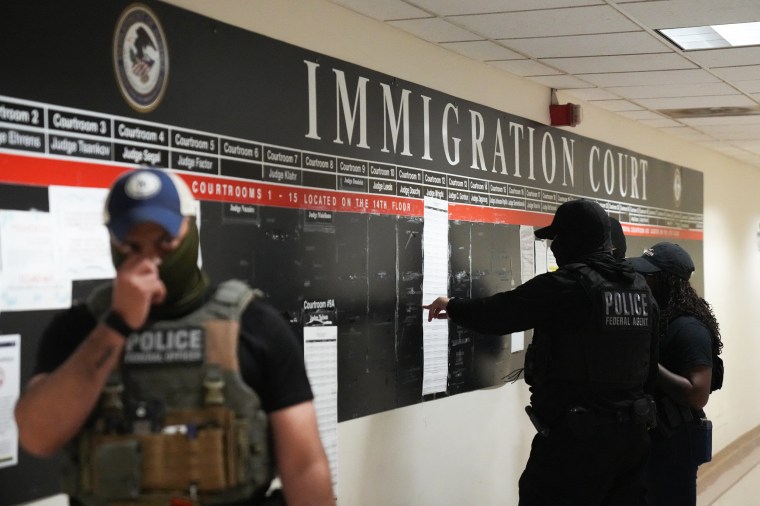
For years, advocacy groups have raised alarms about conditions in immigration detention centers, often citing overcrowding, cold environments, and unsanitary conditions. Detainees frequently remain uncertain about their release dates. ICE is currently detaining nearly 60,000 individuals, a significant rise from about 34,000 during the earlier years of the Biden administration. On average, detainees stay for 50 days, compared to 36 previously.
Simon Sandoval-Moshenberg, an immigration attorney based in Maryland, noted a case where a client was released after 11 months, a duration that would have previously been surprising. “The issue isn’t only the dire conditions in detention centers. It’s the uncertainty about when or if people will leave these conditions,” he explained. Sandoval-Moshenberg believes that incidents of self-harm could decrease if detainees knew their release dates, even if the outcome remained unknown. He stated that the lengthy immigration proceedings are causing detainees to lose hope.
Most detainees are male. Among those in ICE custody, over 20,000 have no criminal background apart from immigration law violations, such as overstaying a visa or illegal entry. During Trump’s second term, nine men, aged 19 to 45, died by suicide. Some had a history of criminal violence, others had nonviolent offenses like disorderly conduct or driving without a license. Two had no criminal records, and all appeared to have died by hanging.
The latest incident occurred at the Stewart Detention Center in Georgia, a facility noted for not completing suicide prevention training for all staff. An ICE inspection in March 2025 revealed a failure to monitor suicidal detainees every 15 minutes as required. In some instances, checks were 125 minutes apart. The Stewart facility wasn’t the only one highlighted for suicide prevention shortcomings. Across the nation, 19 instances of non-compliance with suicide prevention standards have been documented since Trump’s second term began.
Following the most recent suicide, ICE reiterated its commitment to ensure detainees reside in safe environments with access to medical care. “Suicides in DHS custody are tragic yet rare. When a detainee is at risk for suicide, strict prevention and intervention protocols are followed,” an ICE spokesperson stated. ICE mandates annual suicide prevention training, enforces 15-minute checks, and only allows clinicians to remove someone from suicide watch.
DHS declined to comment on specific incidents or the record number of suicides. Many facilities are managed by companies with ICE contracts. CoreCivic, overseeing the Stewart Detention Center, did not comment immediately. GEO Group, managing the South Texas facility where a pregnant woman was detained, referred all inquiries back to ICE.
There is a rising trend in ICE detainee numbers while inspections have decreased. At least four DHS offices conduct ICE inspections, with two experiencing cuts. Congress members occasionally make unannounced visits to detention facilities for tours and detainee interactions. However, some, like Rep. Mike Levin from California, have faced new restrictions. Levin was handed a policy requiring detainee consent forms, obtained with two days’ notice, to speak with detainees. “These restrictions hinder our ability to see what’s happening inside,” Levin told NBC News.
The DHS Office of Inspector General typically conducts four to six unannounced ICE facility inspections annually, providing hundreds of improvement recommendations. A federal funding increase of $20 million is expected to expand inspections significantly, a spokesperson from the inspector general’s office stated.
Numerous 911 calls obtained by NBC News detail detainees facing severe mental health issues. At least 39 emergency calls describe inmates with “acute psychosis” and “altered mental states.” One incident in Michigan involved a detainee refusing psychiatric medications, not eating for eight days, and collapsing in his cell.
In another case in the same Michigan facility, Gabriel Leiva became unruly. When removed from his pod, he asked staff to kill him, per a police report. Later, in solitary confinement, he attempted suicide. Guards discovered him and called 911. Leiva, found alive, expressed confusion over his removal. An ICE spokesperson indicated Leiva is no longer at the North Lake Michigan facility.
Some deaths occurred soon after detainees were detained. Victor Manuel Diaz, arrested for an immigration violation in Minneapolis on January 6, was transferred to Camp East Montana in El Paso, Texas, and died by suicide eight days later. Results of another death at the same facility were revised from a presumed suicide to a homicide, now under FBI and inspector general investigation.
Diaz’s family, represented by attorney Randall Kallinen, expressed doubts about the autopsy findings, which were conducted by a military coroner. “The family remains skeptical,” Kallinen said, noting that Diaz sounded well in a recent phone call home. They await results from a second autopsy.
If you or someone you know is in crisis, call or text 988 or visit 988lifeline.org to connect with the 988 Suicide & Crisis Lifeline, or see resources at SpeakingOfSuicide.com/resources.