Court Dismisses DOJ Lawsuit Against Illinois for Voter Records
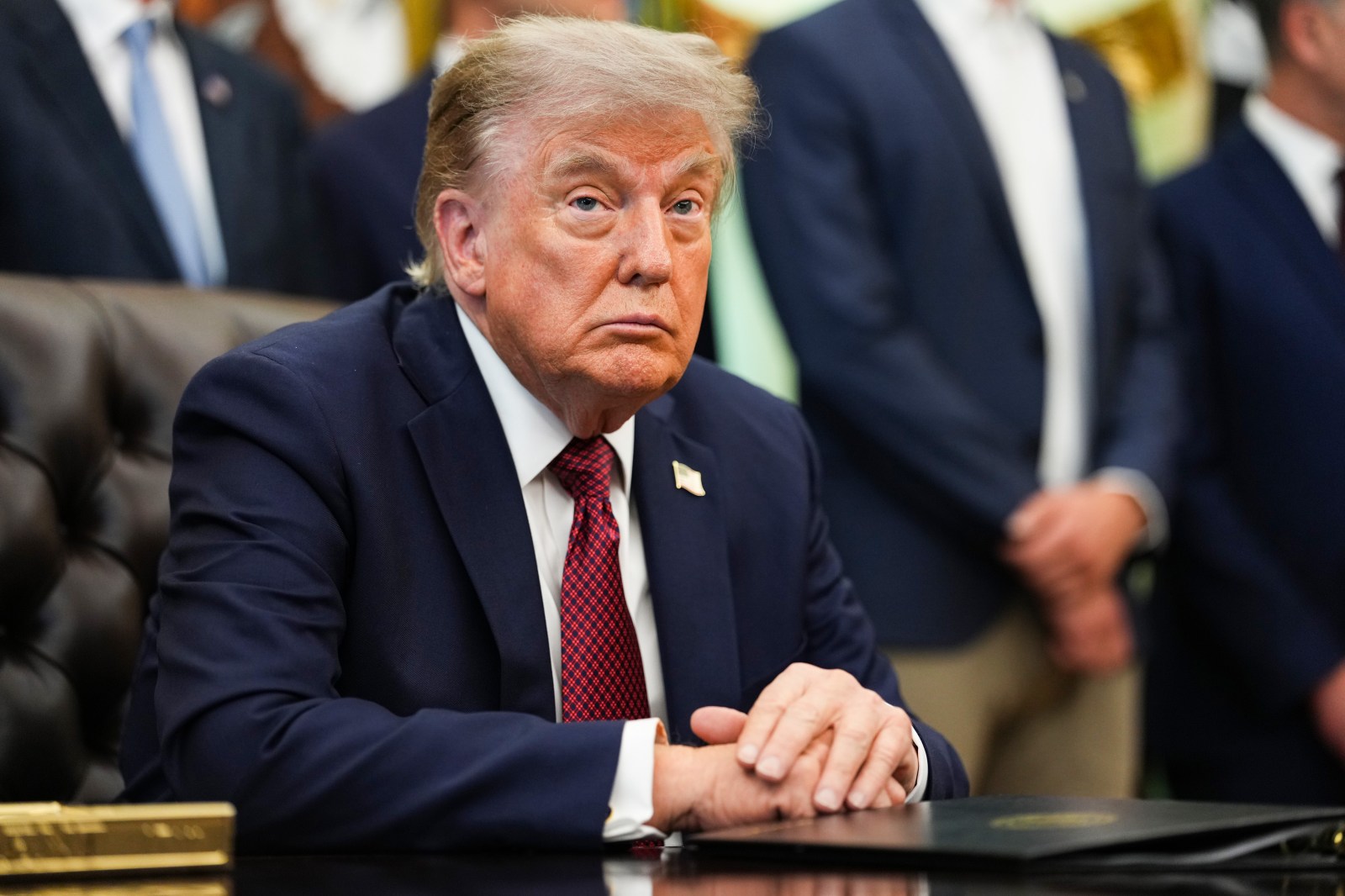
The Trump administration has experienced its 19th straight loss in attempts to secure sensitive voter registration records. A federal judge dismissed the Justice Department’s lawsuit against Illinois. Judge Colleen Lawless ruled that the DOJ did not have the authority to force Illinois election officials to provide the state’s unredacted voter registration database. This outcome affects the administration’s attempts to ensure election integrity before the 2026 midterm elections, as reported by Democracy Docket.
Reason for the Lawsuit
The DOJ sued Illinois when state officials declined to supply a complete voter registration database after a federal request. The administration claimed these records were necessary for assessing compliance with federal election laws. However, the ruling means the administration has not won any district court cases related to accessing state voter records. Illinois is now the 19th defeat in this nationwide effort.
Judge’s Ruling on the Case
Judge Lawless concluded that the DOJ lacked statutory authority to compel officials, including Executive Director Bernadette Matthews, to provide the requested records. The National Voter Registration Act mandates certain records be available for public inspection but not an entire voter database. The Attorney General demanded the full voter list to check compliance with NVRA and HAVA, but Matthews refused due to privacy concerns. The judge also rejected claims that the Help America Vote Act empowered the DOJ to obtain these records.
Why the Administration Wants Voter Records
The Illinois lawsuit is part of a broader attempt by the Trump administration to get unredacted voter records after multiple states have refused. DOJ claims the records help verify state compliance with election laws and identify ineligible registrations. The administration wanted data beyond what is public, raising privacy concerns. States have refused, arguing federal law does not mandate releasing such data and doing so could expose sensitive voter information.
Nationwide Courtroom Losses
Illinois joins several states where similar DOJ lawsuits have failed. Courts in Pennsylvania, Maryland, Wisconsin, Maine, and more have denied DOJ requests for voter databases. Despite possible appeals, decisions so far hinder nationwide access to these records.
Consequences for Midterms
The legal setbacks arrive as the administration seeks more federal oversight ahead of the November 2026 midterms. Without access to voter databases, national comparisons between state and federal records could suffer, affecting election enforcement efforts. Supporters stress the need for accurate voter rolls and federal law compliance. Critics argue the lawsuits exceed Congressional authority and pose privacy risks, potentially leading to aggressive maintenance practices that might disenfranchise voters. Though Illinois’ ruling is a major setback, the administration might appeal to expand federal access before the midterms.