Crisis in Taiz: Water Scarcity and Conflict
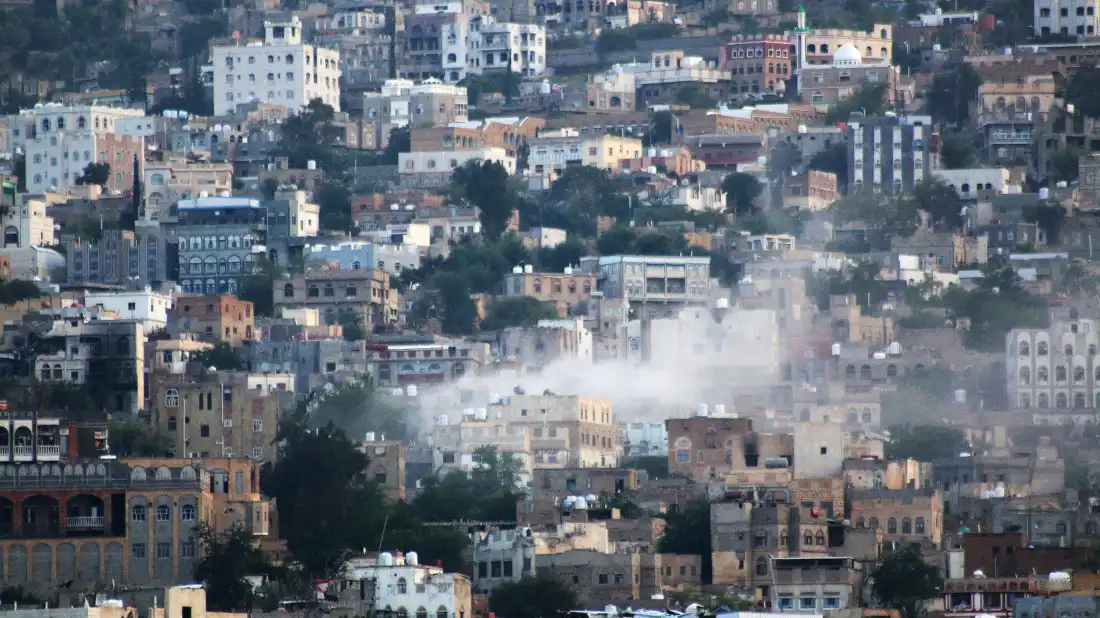
For over a decade, Taiz has struggled with water scarcity. In recent weeks, the problem has escalated to crisis levels. This is due to the ongoing siege by Iran-backed Houthi rebels, which has intensified their conflict with government forces. The siege has severely restricted access to water for Taiz’s population, now over 1 million, forcing families to ration every drop.
Hadil al-Shahid and her two children used to consume about 10 liters of bottled water daily. This amount now lasts them four days. Changes in daily life include cutting out coffee and tea to conserve water. Families have seen the price of bottled water increase by 75% compared to a few weeks ago, leading some to purchase on credit.
Not only water supplies are affected. Food shortages have caused prices to rise significantly. Fuel scarcity hinders basic services, including hospitals and sanitation, increasing health risks. Amnesty International urges the Houthis to open roads into the city to prevent a severe humanitarian disaster.
Barriers to Water and Resources
The civil war in Yemen began in 2014 when the Houthis seized control of the north, including the capital, Sanaa. Taiz has been a focal point since then. The siege has cut off resident access to wells and limited deliveries from outside the city. Truckers who manage to bring water into Taiz have in some cases tripled their rates due to the dangers involved.
Taiz’s water utility struggles as fuel shortages contribute to reduced operations. Desalination plants are underperforming due to lack of fuel. More than 124,000 people have been displaced to Taiz, further straining resources. Displaced families, some living in makeshift conditions, survive on one meal a day.
Growing Challenges and Health Risks
Fuel shortages have worsened, making cooking and transport more expensive. The price of cooking gas has quadrupled, forcing people to use wood or charcoal for fires. Community kitchens face the challenge of reduced fuel availability, leading to shutdowns of waste collection services. This heightens the risk of disease, including cholera, as residents tap into potentially contaminated wells.
Rising food prices compound the problem. Flour and rice have increased by 50% since summer, with fruits and vegetables scarce. Displaced individuals like Ahmed Abdel Gaber rely heavily on aid to obtain food. Hair salon owner al-Shahid has seen her income disappear as customers prioritize essentials over salon services.
Strategic Importance of Taiz
Though the Yemeni government retains control of central Taiz, the siege complicates supply deliveries to forces there. Government efforts to resist Houthis face strong opposition, especially east of the city. Control of Taiz is crucial for Houthis if they aim to progress toward Aden and Lahj.
Despite their efforts, holding Taiz poses challenges due to its large civilian population. Recently, Houthi missile strikes on residential areas resulted in civilian casualties, drawing renewed attention to the conflict’s impact on locals. For many, including al-Shahid and Gaber, leaving Taiz is too costly, making staying a necessity amid uncertainty.