Decline of Lake Mead Intensifies According to Federal Projections
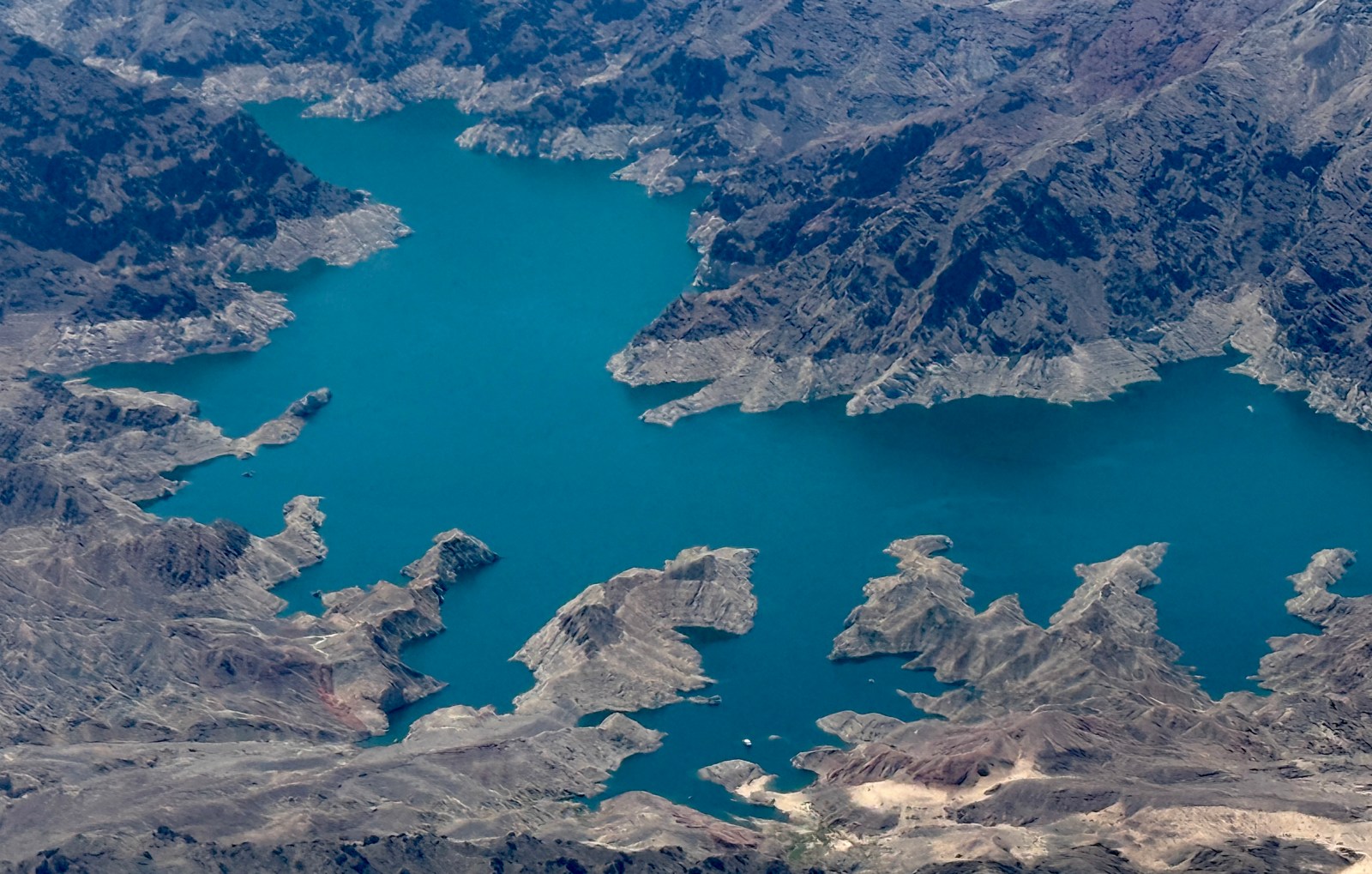
Federal projections show an alarming trend in the decline of Lake Mead. The U.S. Bureau of Reclamation (USBR) forecasts that the reservoir could fall to 1,015.77 feet above sea level by July 2027. This data, part of a ‘most probable’ 24-month study released recently, suggests a steeper decline than the previous month’s forecast of 1,020.76 feet by next July.
This comes amid ongoing drought conditions affecting the Colorado River network, which supplies water to 40 million people in the Western U.S. and supports over five million acres of agriculture. The dwindling water levels intensify concerns over both water availability and electricity generation at major reservoirs.
‘Recent projections highlight the ongoing vulnerability of the Colorado River system and emphasize the urgent need to develop new guidelines and establish updated procedures,’ a USBR spokesperson stated.
As of Tuesday, Lake Mead held 29 percent of its capacity, storing 7,454,257 acre-feet of water. This is just 47 percent of the average storage for this time of year, based on USBR data.
What the Projections Indicate
The USBR’s 24-month study provides hydrological descriptions and predicted operations for the Colorado River’s reservoirs over the coming two years. The latest data suggests Lake Mead might dip to 1,011.74 feet by May 2028.
The USBR clarifies that these studies are projections subject to change as actual hydrology and operations diverge from initial forecasts.
Of particular concern is power generation, given the unfavorable predictions for the Colorado River system. USBR announced on social media that Lake Powell might fall to levels that threaten hydropower production:
‘The study continues to rely on operational assumptions from soon-expiring guidelines, projecting Lake Powell reaching minimum power pool by spring 2027,’ it noted. ‘This outcome doesn’t reflect recent drought responses but indicates the Colorado River’s ongoing vulnerability.’
Experts warn of a potential ‘system crash’ in the Colorado River system due to an imbalance between water supply and demand.
States Relying on the River
States depending on the river include Colorado, New Mexico, Utah, and Wyoming in the Upper Basin, and Arizona, California, and Nevada in the Lower Basin. These states are negotiating new water-sharing agreements as current guidelines are set to expire. Yet, they have not reached a unified agreement.
Previously released satellite images highlight the significant reduction in Lake Mead’s water level over a 25-year span. The 2024 imagery shows the reservoir markedly smaller than in 1999, an observation captured by Landsat 7, a mission undertaken jointly by the United States Geological Survey and NASA.