Ebola Outbreak in DRC: Diagnostic Challenges and Developments
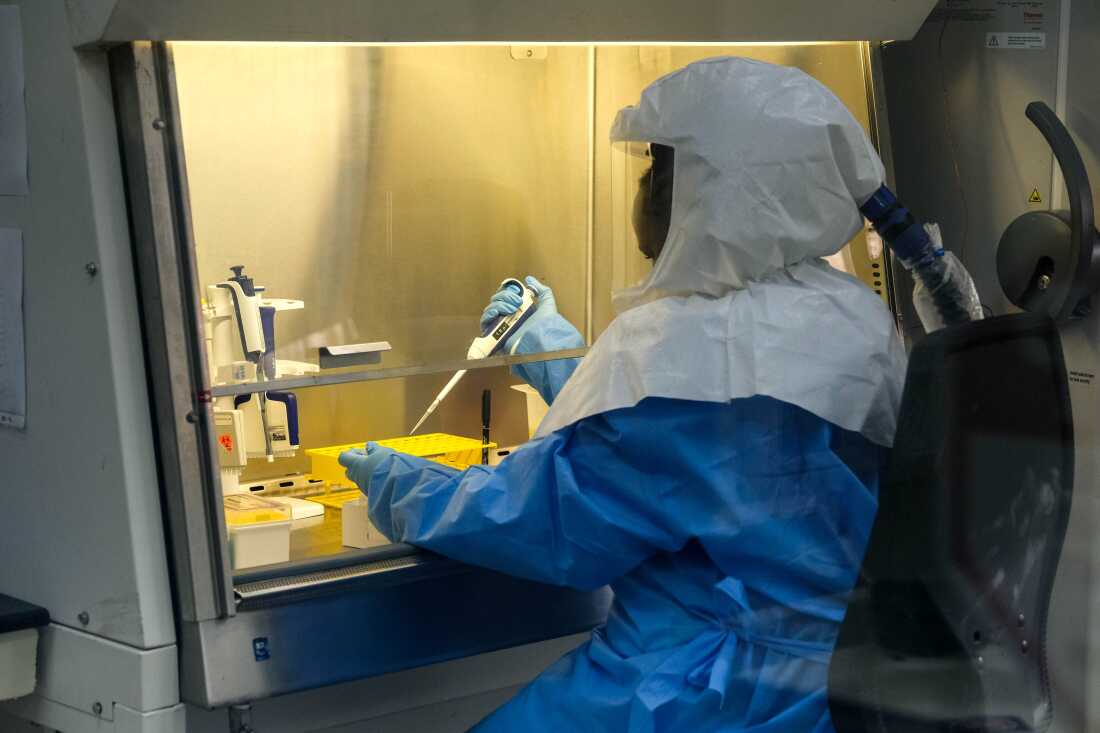
Sophia Mulei, a laboratory technologist, operates within the Viral Hemorrhagic Fever Laboratory at Uganda Virus Research Institute. Her lab is a significant center for testing Ebola samples.
Health officials in the Democratic Republic of Congo (DRC) grew concerned about potential Ebola cases starting in mid-April. Unexplained deaths in the country’s northeast prompted these concerns, leading officials to collect samples. These were dispatched to a lab in Bunia for analysis.
“The first samples were tested on April 30th,” states Jean-Jaques Muyembe, head of the National Biomedical Research Center in DRC.
The Bunia lab utilized GeneXpert, a system that automates virus DNA detection. Initial results showed no evidence of Ebola. Further samples confirmed this. However, when the samples reached an advanced lab in Kinshasa, they tested positive for Ebola Bundibugyo. GeneXpert failed to identify this rare virus species, explains Muyembe.
The delay in raising an alarm extended into mid-May, leading to a significant outbreak. Suspected cases surged above 1,100 as labs struggled to manage the influx. Caia Dominicus from the International Pandemic Preparedness Secretariat remarks the situation was hindered by a lack of proper diagnostics on the ground. Without timely testing, officials couldn’t effectively isolate patients to curb the virus’s spread.
Efforts have improved since, albeit not sufficiently. WHO’s Abdirahman Mahamud reports better diagnostic capacity now, yet it lags behind the outbreak’s scope. Current projections by the CDC indicate potential escalation to 20,000 cases by August. Mahamud insists more resources are necessary if the outbreak spreads further or intensifies.
Improving Diagnostic Capacity
A key improvement comes from RADI-One machines. These devices detect Bundibugyo in patient samples efficiently. They are easier to operate than typical lab tests, allowing deployment in smaller clinics closer to outbreak zones, like Mongbwalu. At present, seven labs and a mobile lab are operational in northeastern DRC. A Bunia lab technician noted that samples are processed quickly, with results available in one to twelve hours.
Africa CDC plans to supply 50 RADI-One machines by late June. However, Dominicus highlights the need for more and the challenges in acquiring additional units. WHO is negotiating with the manufacturer KH Medical for extra machines, but the process is slow.
Logistics further complicate testing. Transporting samples can take days, weakening response efforts. Ongoing conflict, population displacement, and community mistrust worsen the diagnostics challenge.
The Role of Rapid Tests
Rapid tests similar to those used during the COVID-19 pandemic could offer a solution. A simple blood test on paper could yield quick results. Stanford University’s Abraar Karan emphasizes the importance of rapid detection for isolation and containment.
Such tests are less sensitive than lab-based alternatives, potentially missing some positive cases. However, they could better map and control the outbreak’s spread.
Rapid tests may also screen deceased individuals. In DRC, community interaction with the deceased can propagate the virus. Testing postmortem could inform necessary precautions during burials. Presently, no rapid tests are approved specifically for Bundibugyo, though tests for other Ebola strains might work.
Developing a Bundibugyo-specific rapid test may take months. Robert Garry from Tulane University believes scaling up such tests isn’t complicated. Meanwhile, Ranu Dhillon, a health advisor during the 2014 Ebola crisis, supports investing in rapid test development over vaccines, due to quicker potential deployment.
Concurrent testing of patient samples through traditional and rapid methods could provide valuable comparative insights.
Significant investment is crucial to enhance both lab and rapid testing. Dominicus points out that diagnostics often receive less focus compared to vaccines or treatments. Yet they supply crucial data for informed action. Without diagnostics, controlling outbreaks proves challenging.
Despite Bundibugyo’s rarity, pre-existing diagnostics could have mitigated the outbreak’s severity. As Dominicus concludes, the initial delay in diagnostics hampered the response significantly.