FIFA’s Ticket Pricing Sparks Investigation
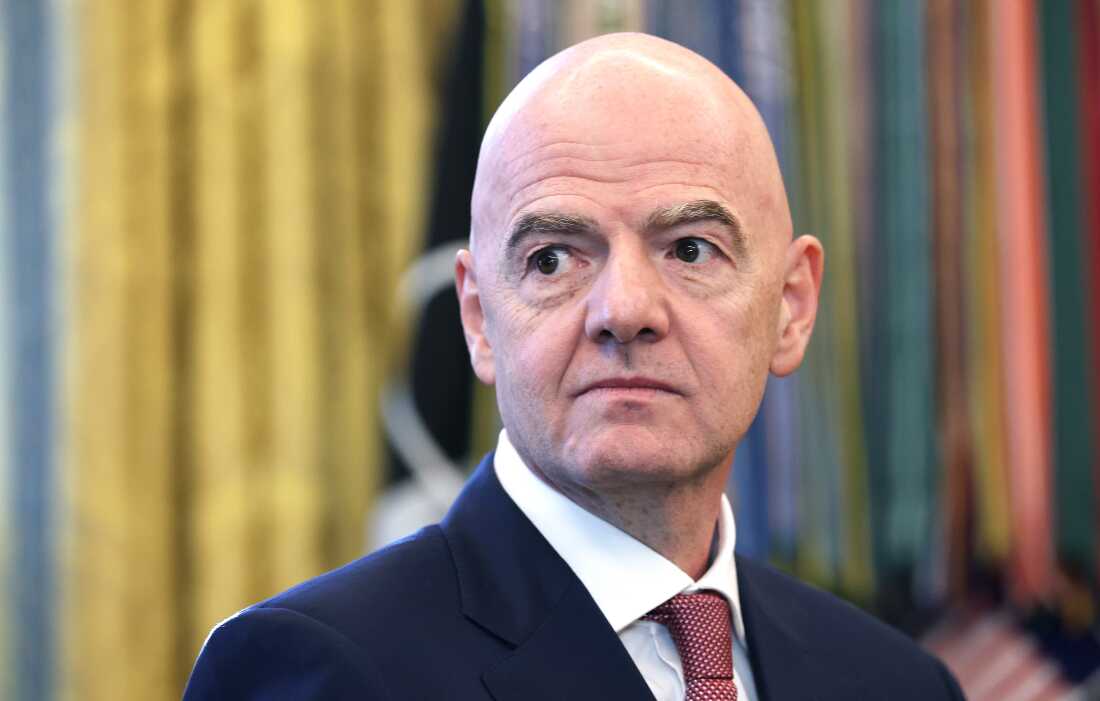
FIFA, led by President Gianni Infantino, is under investigation by the attorneys general of New Jersey and New York. They are probing the organization’s ticket pricing practices for this summer’s World Cup. Infantino has justified high ticket prices by claiming they are tailored to the North American market. However, these price hikes have raised concerns about potential unfair sales tactics.
Investigation into Ticket Practices
New York’s Attorney General Letitia James and New Jersey’s Jennifer Davenport are scrutinizing not just the ticket prices but also FIFA’s sales process. They seek to determine if FIFA’s methods have escalated prices unnecessarily. With just two weeks until the tournament begins, FIFA’s ticket practices are under intense examination.
FIFA’s Ticket Pricing Increases
Ticket prices for this World Cup have surged compared to previous tournaments. FIFA introduced dynamic pricing, which has led to significant price escalation across many matches. An illustrative example is the final match in New Jersey slated for July 19. Initially, the most expensive tickets were priced at $6,730. By April, similar tickets had jumped to $10,990. These increases have incited public outrage and negative attention toward FIFA.
President Trump, despite his closeness with Infantino, expressed reluctance to pay $1,000 for basic seating at the U.S. opening game against Paraguay. Adding to the controversy, FIFA introduced a new ‘Front Category’ seating. These front row seats are priced over $30,000, marking them as the most expensive tickets available.
Concerns Over Sales Tactics
FIFA has been using what we might call scare tactics to create a demand for a ticket…– Derek Howard, University of San Francisco
FIFA’s sales approach is suspected of monopolistic behavior, potentially exploiting its market position. Derek Howard emphasizes that FIFA closely controls ticket pricing information and availability, leaving consumers uninformed. This lack of transparency allows FIFA to maintain leverage over potential buyers, creating urgency through perceived scarcity.
Even during the current last-minute sales phase, FIFA releases tickets at unscheduled times, encouraging immediate purchases. Consumers cannot ascertain whether available tickets are among the last or if more will follow at different prices.
Challenges with Ticket Assignment
Fans cannot select specific seats until much later in the purchasing process. Initially, they choose from broad ticket categories, later receiving specific seat assignments. In contrast, U.S. fans usually select exact seats upon purchase. This lack of transparency is another aspect under scrutiny.
Fans purchasing high-priced Category 1 tickets might assume a side-line seating view. Yet, many prime seats are reserved for sponsors or premium clients. Frustrated buyers often find themselves in less desirable locations.
Flexible Seating Charts
FIFA retains the right to adjust stadium seating categories. This means that a fan purchasing a top-tier ticket might end up in lower-category seating, reflecting the organization’s autonomy in its sales strategy. Letitia James criticized such practices, emphasizing the need for consumer trust in ticket purchases.
Howard adds that altering categories post-purchase could constitute a ‘bait and switch’. Although FIFA states that seating maps are for guidance purposes, this disclaimer doesn’t fully protect them legally.
Future Implications
FIFA has not responded to NPR’s requests for comments. Legal experts acknowledge the difficulty of altering sales processes shortly before the tournament. Nevertheless, FIFA might face long-term legal repercussions in the U.S., including potential class action lawsuits. Legislators and other attorneys general, such as California’s Rob Bonta, are also expressing concerns over FIFA’s ticketing practices.
While FIFA asserts that pricing strategies tailored for the American market have proved lucrative, expected to earn over $11 billion from the event, the fallout from fan outrage and legal challenges remains significant.