Gas Prices and the Political Landscape: Trade-offs and Decisions
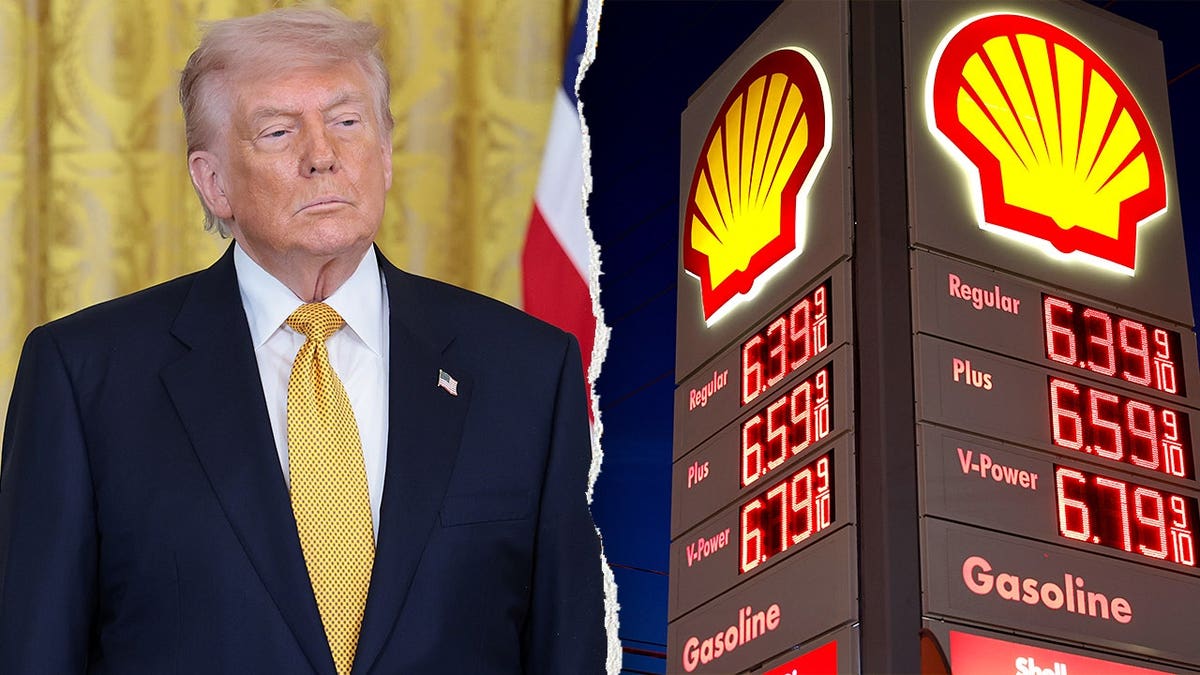
Over the past few years, the price of gasoline soared, crossing the $5 mark, largely attributed to the Biden administration’s green policies. Critics argue these policies contributed to higher prices. Former Transportation Secretary Pete Buttigieg and former Vice President Kamala Harris have openly criticized the Trump administration for its foreign policy moves, linking them to economic challenges faced by Americans.
The backdrop to these remarks is key: America entered a summer of record-breaking fuel consumption amid a heated pre-election climate. Soaring gas prices, many argue, were due to both domestic policies and international events.
“There are no solutions, only trade-offs,” noted economist Thomas Sowell.
This philosophy rings true as policymakers deliberated President Trump’s proposal to suspend the federal gas tax amidst escalating fuel costs due to geopolitical tensions.
During the Biden presidency, climate-focused initiatives were deemed essential despite their economic impact. Known as the “Green New Deal,” these measures were championed by figures like Rep. Alexandria Ocasio-Cortez, who warned of an existential threat if climate change wasn’t addressed.
As time moved on, the American public, dealing with inflation, began challenging initiatives such as California’s mandates on electric vehicles and New York’s gas stove restrictions. In the 2024 elections, a vast number of voters rallied behind a candidate promising energy independence through domestic drilling.
Once in office, Trump declared a national energy emergency, rolling back previous mandates that restricted the industry. The results were swift; gas prices dropped to a four-year low by October of that year.
However, the situation in Iran added complexity. Trump’s firm stance against Iran’s nuclear ambitions led to increased instability, notably affecting the Strait of Hormuz, a critical juncture for global oil distribution. This geopolitical tension resulted in spikes in fuel prices.
Reflecting on these challenges, Trump stated, “It won’t be much longer,” regarding the temporary economic strain, highlighting the trade-off for global security. The public must decide if tackling such threats justifies economic hardships.
The climate agenda faced setbacks, especially after the UN scaled back some dire forecasts from the Intergovernmental Panel on Climate Change. This retraction prompted many to question earlier moves away from reliable energy sources amid geopolitical instability, notably in the Russia-Ukraine conflict.
While the U.S. fared better due to its resources, global fuel costs remained high, with gasoline prices in countries like France and the UK reaching nearly $9 per gallon. Despite these challenges, the broader context remains crucial for American families evaluating their choices.
As the nation prepares for upcoming elections, voters will have to weigh the trade-offs of energy policies and foreign strategies. It’s essential to provide them with accurate information so they can navigate these complex issues when voting for future leaders.
Daniel Turner, who oversees Power The Future, advocates for energy jobs and has shared these perspectives. He manages a farm in Virginia and can be followed on Twitter at @DanielTurnerPTF.