Inflation’s Impact on Mortgage Rates
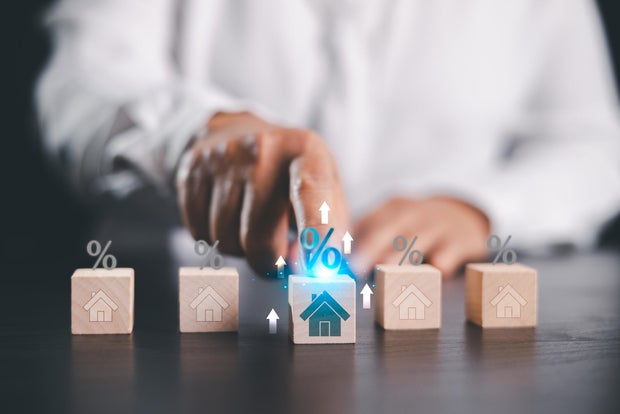
Rising inflation has led to increased mortgage interest rates. Currently, inflation is at its highest point in three years, influencing costs for groceries, gas, and mortgage rates. In recent months, mortgage rates have surged from the high 5% range to approximately 6.62%, largely driven by inflation concerns.
Expectations for Mortgage Rates Amidst Rising Inflation
Predicting future mortgage rates is challenging. With inflation on the rise since February, exacerbated by the conflict in Iran, experts foresee little chance of rates declining soon. Jeff Taylor, a board member for the Mortgage Bankers Association, suggests that mortgage rates will likely stay in the mid-to-upper 6% range, potentially climbing to 7% if the Iran conflict persists. This situation has impacted bond trading, causing investors to sell mortgage bonds and pushing rates higher.
Besides, bonds like mortgage-backed securities and 10-year Treasuries significantly influence mortgage rates. Rising bond yields usually result in increased mortgage rates. Brian Shahwan from William Raveis Mortgage notes that higher inflation leads to higher bond yields, consequently raising mortgage rates.
The Federal Reserve also plays a role in mortgage rates. Although the central bank cut rates three times last year, no reductions have occurred in 2026. According to the CME Group’s FedWatch tool forecasts, a rate cut this year appears unlikely, with some experts predicting a rate hike instead. Nicole Rueth from CrossCountry Mortgage mentions a 50% chance of a Fed rate hike by year-end.
Impact on Housing Affordability
The surge in inflation not only elevates mortgage rates but affects housing affordability. Higher inflation means increased monthly payments for borrowers and influences home prices, particularly new builds due to increased material and transport costs. It may also lead to more expensive home insurance and limit buyers’ budgets.
Shahwan emphasizes that rising borrowing costs could force buyers to qualify for smaller loans or stretch their budgets to cover increasing housing expenses. Additionally, inflation diminishes the purchasing power of down payments, affecting borrowers in lower-income brackets. Rueth highlights that inflation growing faster than wages is particularly difficult for first-time buyers and lower-to-middle-income households.
Potential Ceiling for Rates
Thankfully, experts believe rates won’t keep rising indefinitely. A primary factor currently driving inflation and high rates is the Iran conflict, so resolution could help stabilize rates. According to Watson, bond yields and mortgage rates will likely decrease once the war ends, oil prices settle, and the bond market regains confidence in declining inflation.
A new Federal Reserve chairman, Kevin Warsh, may also help in managing rates. Taylor suggests a dovish approach aligned with White House goals to lower rates, potentially preventing rates from exceeding 7%.
Options for Managing Mortgage Costs
Despite high rates, borrowers can still find ways to manage payments affordably. Shahwan recommends options like adjustable-rate mortgage products, relationship pricing, first-time buyer programs, and free rate float-downs to reduce monthly payments.
Additionally, shopping around for a mortgage lender, using a broker, buying discount points, or engaging in mortgage buydown programs can help mitigate the impact of higher rates.