Latin America’s Political Realignment
Moments after winning Colombia’s presidential first round on May 31, Abelardo de la Espriella directed his remarks at U.S. President Donald Trump. “With my head held high and a heart full of patriotic gratitude, I receive your words and your steadfast support,” he posted online. De la Espriella, a Colombian criminal defense lawyer without prior elected experience, leads on an anti-crime platform called “Defenders of the Motherland.” His response was to Trump’s endorsement of him as an “intelligent, strong and tough leader” and the dismissal of rival Ivan Cepeda as a “radical leftist Marxist.” This exchange highlights a major political shift in Latin America, with Trump playing a significant role.
Across Latin America, right-wing governments have increasingly gained power, altering the political landscape in favor of Washington. If this continues, leftist governments may shrink to a few countries: Brazil, Mexico, and the authoritarian states of Cuba and Venezuela. “There are signs that the political winds in Latin America are blowing to the right,” Michael Shifter of the Inter-American Dialogue explained. “Trump benefits from leaders and governments aligning more with his administration’s policies.”
The Rightward Shift
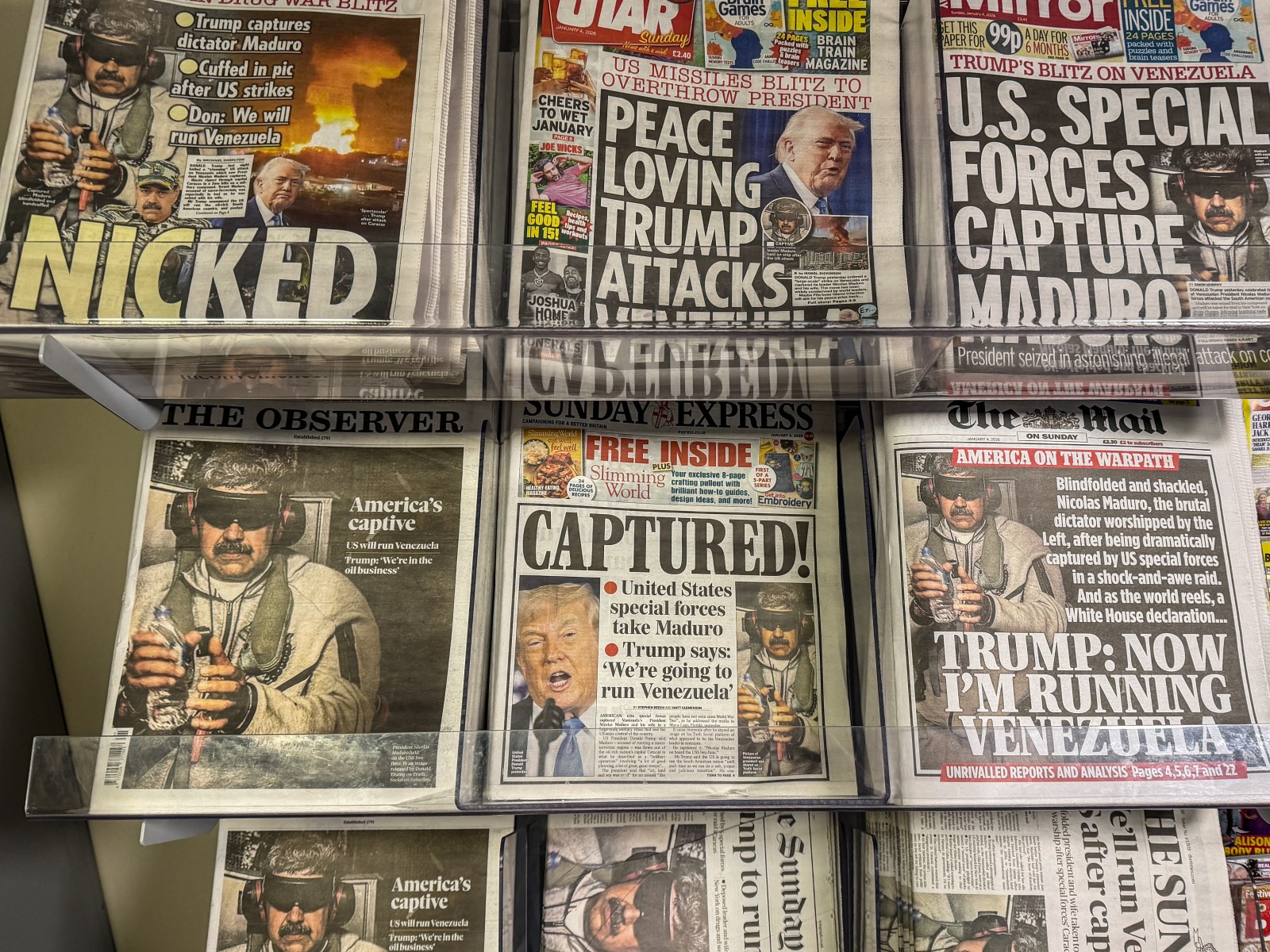
Venezuela’s Nicolas Maduro has long been Washington’s adversary, a socialist leader closely tied to Russia and China. Trump had unsuccessfully attempted to remove him during his first term. However, a different approach was taken, culminating in Maduro’s capture and extradition to face narcoterrorism charges in the U.S. Trump invoked the Monroe Doctrine, naming it the “Don-roe Doctrine,” asserting U.S. dominance over Venezuela.
In Argentina, Javier Milei, an economist-turned-president, aligned with Trump and secured U.S. support, crucial for midterm election success. In Honduras, Trump’s endorsement helped Nasry Asfura win. El Salvador’s Nayib Bukele, reelected in 2024, allied with Trump’s deportation efforts, gaining regional influence. In Chile, José Antonio Kast, a right-wing candidate, defeated a Communist challenger, advocating for Trump-like policies.
Changing Latin American Dynamics
In March, Trump hosted the “Shield of the Americas” summit, assembling over a dozen Latin American leaders to address security and U.S. dominance. However, leaders from Brazil, Mexico, and Colombia were notably absent. A Konrad Adenauer Stiftung analysis showed nine of 15 democracies in Latin America changed directions since 2022, six of them shifting right. Support for center-right ideologies is now higher than it has been in over two decades.
Ernesto Samper, a former Colombian president, compared the current U.S. strategy to past repressive campaigns in South America. “We’re seeing a return to violent, autocratic past practices,” Samper warned, speculating on a potential nationalist backlash against the U.S.
Peru: The Next Battleground
This Sunday, Peruvians vote for their ninth president in a decade. Candidates Keiko Fujimori and Roberto Sánchez vie for the presidency, each with less than 20% initial support. Crime tops the agenda, with increased homicides and extortion. Undecided voters play a crucial role in this race.
Fujimori promises strict security measures if elected. Meanwhile, Sánchez supports Chinese mining contracts, opposing U.S. influence. A Fujimori victory would bolster Trump’s regional influence; a Sánchez win could extend leftist resistance.
Colombia and U.S. Influence
In Colombia, de la Espriella’s first-round success was unexpected, challenging initial polls in Senator Iván Cepeda’s favor. De la Espriella utilized social media and aligned with Trump’s political circle. His anti-establishment stance appeals to voters seeking change.
The U.S.-Colombia relationship under Petro, a former guerrilla, has worsened. A conservative win might quickly restore it, while a Cepeda win could prolong tensions. As Shifter noted, Colombia’s upcoming election reflects global trends of outsiders addressing issues decisively.
The Future of Latin American Politics
The left may not be eliminated. Brazil’s Lula is in a tight race, while Mexico’s Sheinbaum leads with some independence. Cuba and Nicaragua remain authoritarian holdouts. Shifter cautions against linking the rightward shift to permanence, citing challenges left-leaning governments might face if economic performance falters.
Ultimately, while the right gains momentum, electoral outcomes remain unpredictable. Colombia’s vote on June 21 will reveal further developments. Meanwhile, Peru’s election results are due shortly.