Lindsay Clancy’s Mistrial and Its Implications
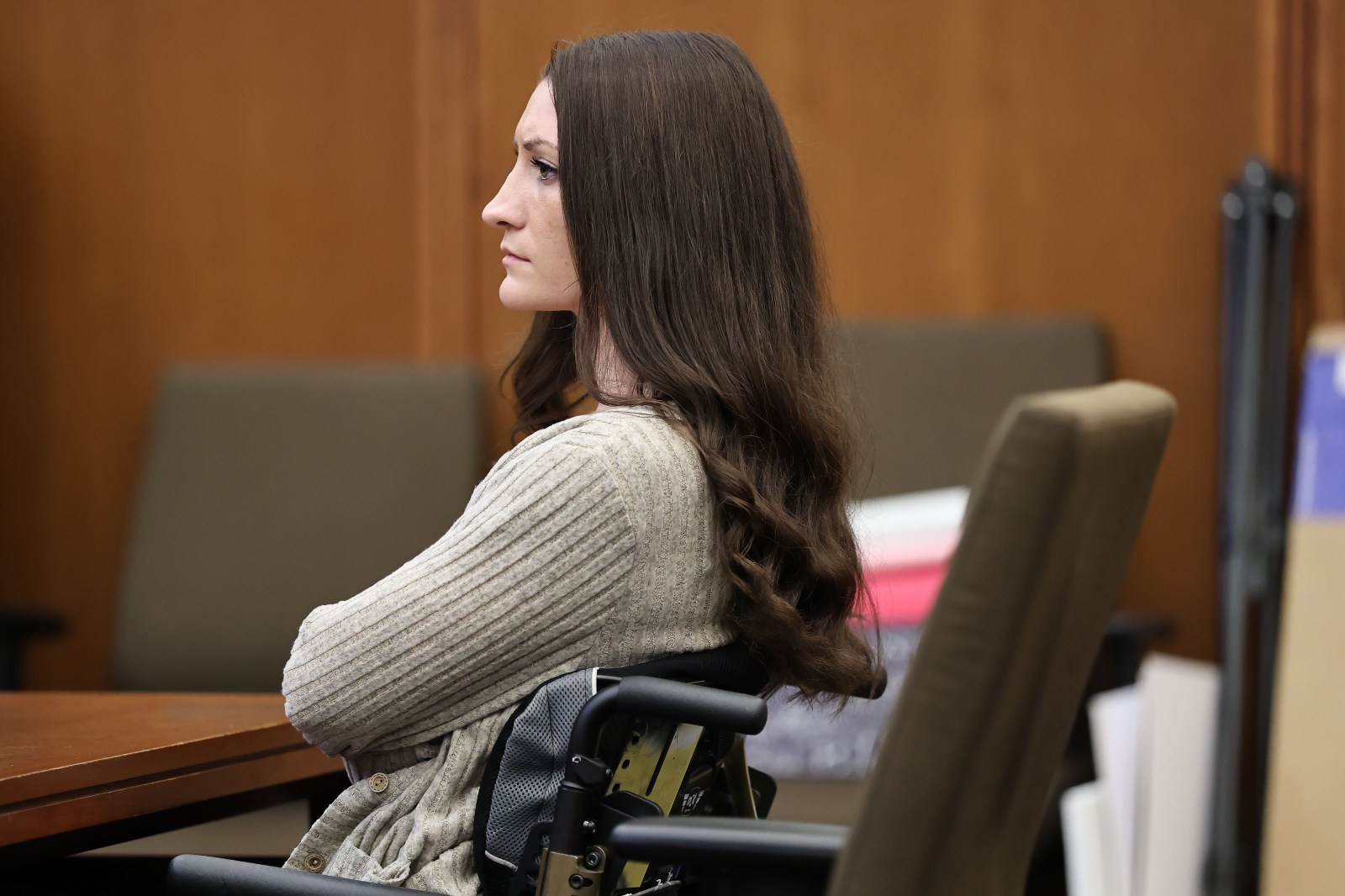
Jurors involved in the Lindsay Clancy murder trial have spoken about their 11-1 split decision, which resulted in a mistrial. Legal experts suggest this could offer Clancy’s defense team leverage in plea negotiations.
Jessica Levinson, a professor at Loyola Law School, noted that the jurors’ comments might strengthen the defense’s position when considering a possible plea deal. She explained, “The prosecution came close to losing this case, and both sides are well aware of that.” This sentiment is echoed in the fact that 11 out of 12 jurors were leaning toward finding Clancy not criminally responsible.
Heather Cucolo, an adjunct professor specializing in criminal and mental-health law, highlighted that the jury’s almost unanimous support for finding Clancy not responsible should serve as a warning for prosecutors contemplating a second trial. “An 11-1 split for the defense is a strong indication that the prosecution’s central argument did not resonate with the vast majority of jurors,” she stated.
Cucolo further explained that while defendants usually consider plea agreements when a jury leans toward conviction, the situation changes when the jury predominantly supports acquittal. This dynamic suggests that pursuing a retrial might be challenging for the prosecution.
While a new jury might reach a different outcome, Levinson emphasized that the 11-1 split from the first trial will influence the prosecution’s decisions. “The significantly lopsided vote divide will inform the prosecution’s decisions moving forward,” she added.
The jurors’ decision to speak publicly adds a layer of difficulty for the prosecution. Some jurors have criticized the lone dissenting juror, who reportedly acknowledged having reasonable doubt yet didn’t vote for acquittal. This information could bolster the defense’s argument that convincing another jury would be tough.
For prosecutors, the challenge is to weigh the advantages of a retrial against the possibility of another deadlock or an acquittal. Cucolo mentioned the significance of jurors rejecting the prosecution theory, posing a strategic challenge for the Commonwealth.
The emotional cost of a retrial, including asking witnesses to relive traumatic events, also needs consideration. Cucolo pointed out that defense attorneys might use public discussions of the jury split as a leverage tactic.
Though a plea deal isn’t guaranteed, the insights from the first trial offer both sides vital information. For the defense, most jurors were unwilling to hold Clancy criminally responsible. For prosecutors, convincing a single juror shows room for a different strategy.
Potential future steps for Clancy include the possibility of a plea agreement. Her attorney expressed openness to such negotiations and is also seeking an acquittal from Judge Sullivan.
Clancy remains in a psychiatric facility, with her next court date on September 29. The judge will consider the defense’s request for an acquittal, which could prevent a retrial. If denied, prosecutors must decide on a new strategy or resolution.
The 11-1 split provides the defense an argument of the jury’s reaction to their case. Prosecutors face the decision of risking another trial or seeking a resolution.