Mother Shares Postpartum Practices Rooted in Tradition
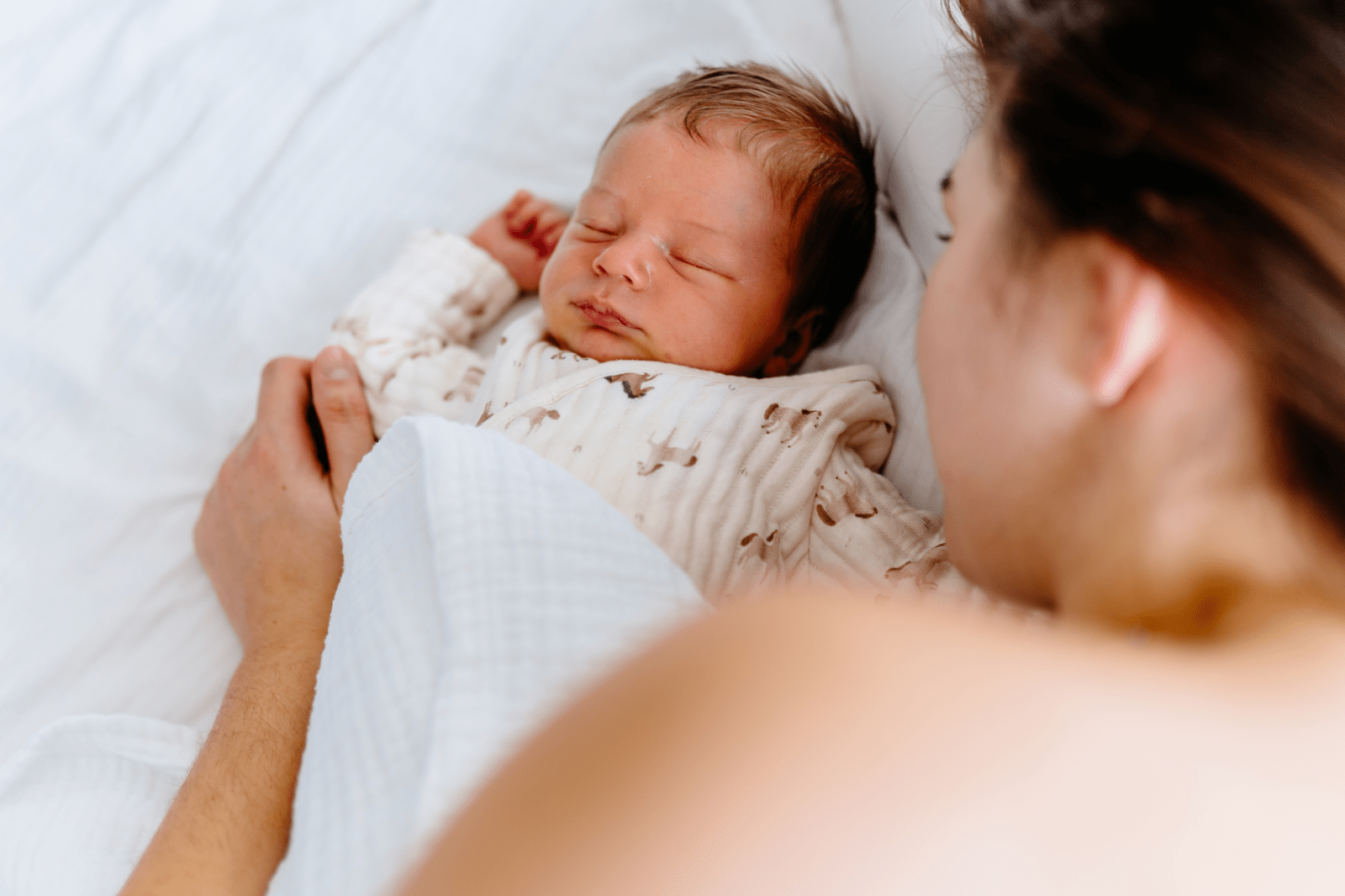
A mother from the Netherlands, Chantal Wijbrandi, has shared her “11 rules” for postpartum care, drawing on traditional methods. After her second child, she followed practices that may seem unusual in modern Western culture but are grounded in age-old customs.
Wijbrandi outlined her approach, which included staying mostly in bed for two weeks and avoiding leaving home for 40 days. She also focused on consuming warm, cooked foods and receiving regular massages. Family and friends provided crucial support during this time. Additional practices included belly binding, herbal sitz baths, and prioritizing rest and community support.
Speaking to Newsweek, Wijbrandi explained that her journey into postpartum traditions began after her first child, Lilian, aged 4. Her first postpartum experience was difficult and isolating, which motivated her to research global postpartum practices. She became a Holistic Postpartum Practitioner to explore these traditions further.
“After my first birth and the challenging, isolated postpartum experience, I delved into postpartum culture worldwide,” Wijbrandi said. Through her research, she discovered that many traditional cultures emphasize extended rest, nourishing foods, and community bonding.
“Traditional cultures tend to center the mother after birth, whereas modern Western culture tends to focus on the baby,” she noted. “We have elaborate baby showers and gender reveal parties, but once the baby arrives, the mother is left to manage alone.”
Wijbrandi highlighted similar traditions across cultures, such as China’s “sitting the month,” Latin America’s la cuarentena, South Africa’s Zulu umsamo, and Europe’s historical “lying-in” period. Her first experience involved a traumatic birth and inadequate support, leading her to believe independence was key. However, she found herself feeling alone and overwhelmed.
“I genuinely thought being independent meant being a good mom,” she reflected. “But I ended up feeling isolated and unprepared.” By her second pregnancy, she resolved to change her approach.
“I wanted the experience to be peaceful,” she said. “I aimed for rest and connection in my relationship.” Key differences between traditional and modern care include the focus on the mother’s needs post-birth.
On Instagram as @becomingthismama, Wijbrandi shared a reel featuring her key practices: rest, nourishment, and community. “Taking things slow for the first 40 days was crucial for my healing,” she shared. “I communicated clearly with loved ones about what kind of support I needed.”
For skeptical mothers, Wijbrandi advised reconsidering why support and care might seem excessive after childbirth. “Demand it. It’s your birthright and the bare minimum,” she insisted.