Nor’easter Threatens U.S. East Coast with Coastal Impacts
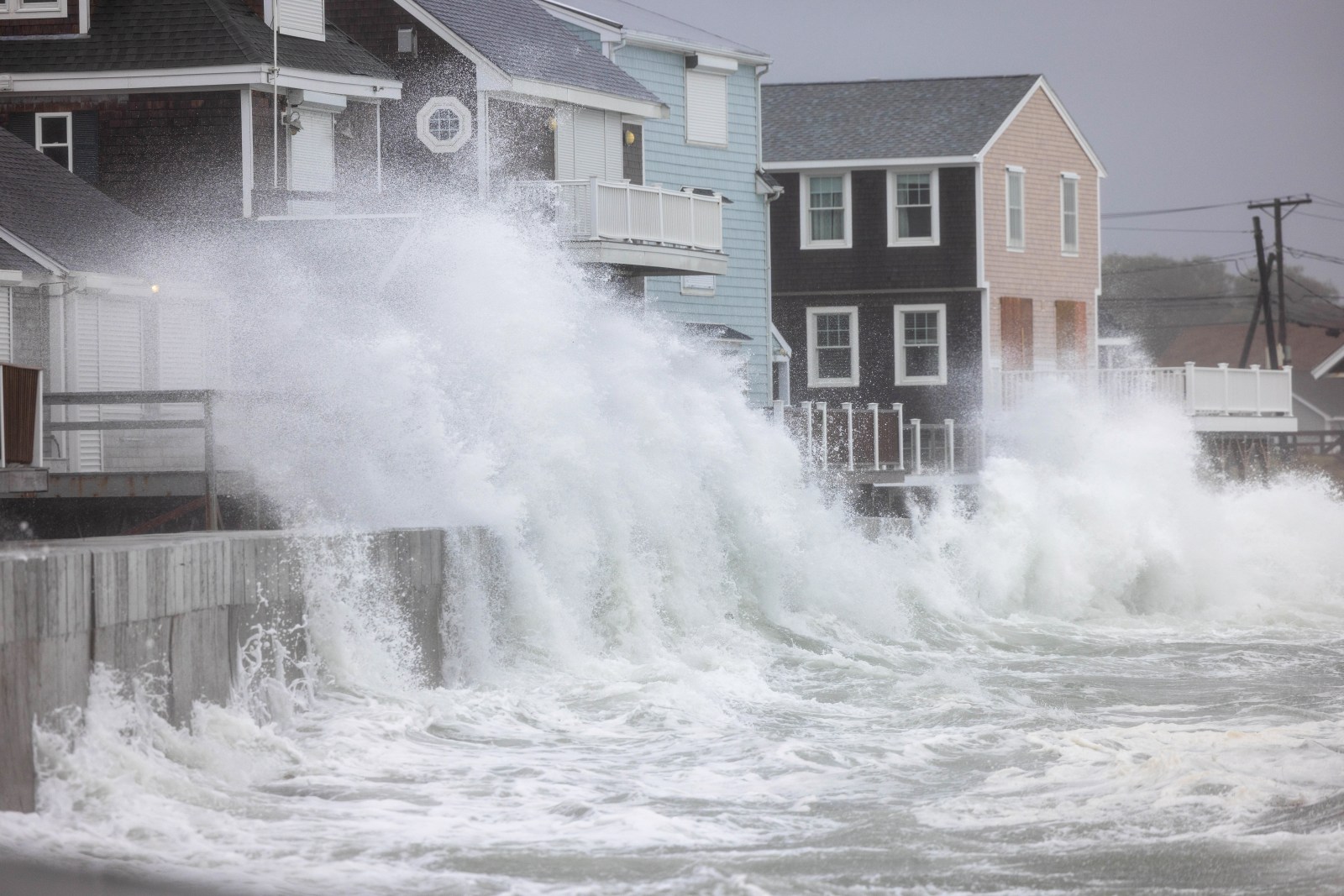
Meteorologists Alert on Nor’easter Formation
As a new nor’easter develops in the Atlantic, meteorologists are warning of significant impacts on parts of the U.S. These storms may pose a greater danger than this year’s hurricanes. The recent storm follows a similar nor’easter that hit the East Coast in late September, bringing strong winds and heavy rains for days.
The Atlantic hurricane season has seen below-average activity, largely due to El Niño strengthening in the Pacific. El Niño disrupts the hurricane season by causing wind shear in the Atlantic, but it boosts nor’easter formation during winter by enhancing the southern jet stream, a meteorologist from the National Weather Service (NWS) said.
El Niño’s effects are mostly felt in winter, leaving its current influence on nor‘easter formation unclear. AccuWeather’s senior meteorologist Carl Erickson noted that more nor’easters might occur than tropical storms or hurricanes by the season’s end on November 30. Nor’easters can heavily impact coastal areas even when their centers stay offshore.
Atlantic Hurricane Season Overview
The hurricane season runs from June 1 to November 30. This year, the Atlantic witnessed nine named storms, including Hurricane Isaias on October 9 near Destin, Florida. An average season features 14 named storms with seven hurricanes and three major hurricanes, as reported by the National Hurricane Center (NHC).
State Emergencies and Evacuations Due to Nor’easter
The arising storm has led the NWS to issue storm warnings. North Carolina declared a state of emergency for Hatteras Island, ordering evacuations due to incoming impacts expected to render Highway 12 impassable.
Wind gusts could reach 60 mph along the mid-Atlantic coast, with expected significant coastal flooding, beach erosion, and road closures in southeastern Virginia and North Carolina’s Outer Banks. Persisting offshore, the storm may induce flooding during multiple high tides, compounding September’s nor’easter aftermath.
Subtropical qualities may develop in the storm, as noted by the NHC. It could move erratically, causing high winds, coastal flooding, and dangerous surf regardless of development.
Understanding Nor’easters
The NWS defines nor’easters as storms on North America’s East Coast featuring northeastern winds over coastal areas. Common and powerful from September to April, they bring heavy rain or snow, gale-force winds, rough seas, and coastal flooding.
Distinguishing Nor’easter from Hurricane
According to the National Oceanic and Atmospheric Administration (NOAA), nor’easters are named for their wind direction. Hurricanes are tropical, forming over warm waters. Hurricanes have distinct eyes and eyewalls, unlike nor’easters.
Hurricanes derive energy from warm waters, while nor’easters are fueled by atmospheric temperature contrasts. Both types of storms can create heavy rain, strong winds, and coastal flooding.
Monitoring and Forecasting
AccuWeather indicates the nor’easter will develop over the weekend, strengthening next week. Coastal winds from North Carolina to southern New Jersey should persist through Tuesday, with flooding and erosion expected through Thursday.
Residents in affected areas should stay informed via local weather alerts. The NWS Climate Prediction Center forecasts a strong El Niño persisting through January to March 2027, impacting U.S. weather during fall and winter.