Rep. Rich McCormick Criticizes Iran Nuclear Deal
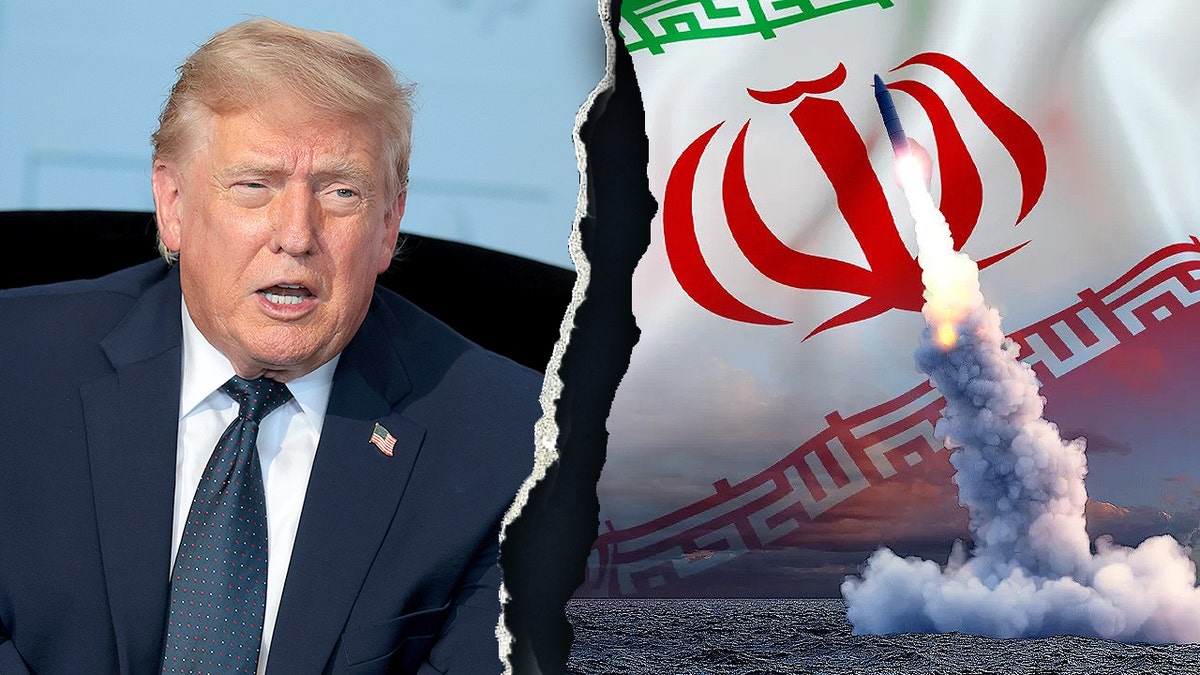
Georgia Republican Rep. Rich McCormick expressed his distrust for Iran amid ongoing nuclear discussions. He supports former President Trump’s stance, criticizing the nuclear deal as an ‘unconditional surrender’ that could strengthen Iran’s military with access to billions in unfrozen assets. McCormick highlights the regime’s history of aggression, calling for regime change.
President Trump’s proposed Iran framework has raised alarms among nuclear experts. They warn that the deal might grant Iran too much control over its uranium stockpile unless there are strict inspections. The memorandum outlines dealing with Iran’s enriched uranium through supervised on-site ‘downblending,’ diluting it to prevent weaponization. There is ambiguity about whether Iran will be allowed a civilian nuclear program, as the memorandum mentions discussions about the country’s ‘nuclear needs’ in the final agreement.
Chuck DeVore, Chief National Initiatives Officer at the Texas Public Policy Foundation, emphasized the importance of comprehensive verification, stating that inspections require full ground access to be effective. Technological monitoring is not as reliable as in-person inspections.
The newly signed MOU, which still lacks clarity on technical aspects, gives proponents a 60-day window to negotiate a final deal. A postponed meeting in Switzerland was supposed to discuss these critical issues.
An IAEA report outlined the agency’s reduced insight into Iran’s nuclear capabilities following military strikes last year. The report highlighted the lack of intelligence from Iran and limited access to nuclear sites, raising concerns over the regime’s uranium stockpile management.
A senior U.S. administration official noted the necessity of Iran’s regime promising not to develop nuclear weapons. These assurances must translate into concrete actions such as controlling uranium stockpiles, dismantling nuclear facilities, and accepting inspection terms.
Vice President JD Vance commented that the deal’s advantages hinge on Iran fulfilling its promises. He stated that promises to halt enrichment and allow inspectors to manage the uranium are crucial for the agreement to be beneficial. If Iran fails to meet its commitments, the deal has no practical value.
Andrea Stricker of the Foundation for Defense of Democracies highlighted the need for transparency and control over Iran’s uranium stockpile. She stressed the importance of removing nuclear capabilities and redirecting scientists towards non-nuclear work. Without these steps, Iran’s pledge remains ineffective, as its current stockpile could potentially fuel numerous nuclear weapons.
DeVore advised caution in estimating weapon capacity, noting the role of weapon design sophistication. About 1,000 pounds of 60% enriched uranium still requires conversion to weapons-grade material. He doubts Iran’s current capability due to damaged facilities from recent strikes.
For any deal to be enforceable, DeVore recommended avoiding errors from the Obama-era JCPOA. This includes preventing Iran from restricting inspections. He warned against agreements made ‘for agreement’s sake,’ emphasizing the need for rigorous on-site verification.
Based on DeVore’s experience with Cold War nuclear agreements, he underscored potential risks of insufficient verification. The starting point for negotiations should not compromise necessary safeguards.