Republican Strategy in Midterm Campaigns: Distancing from Trump
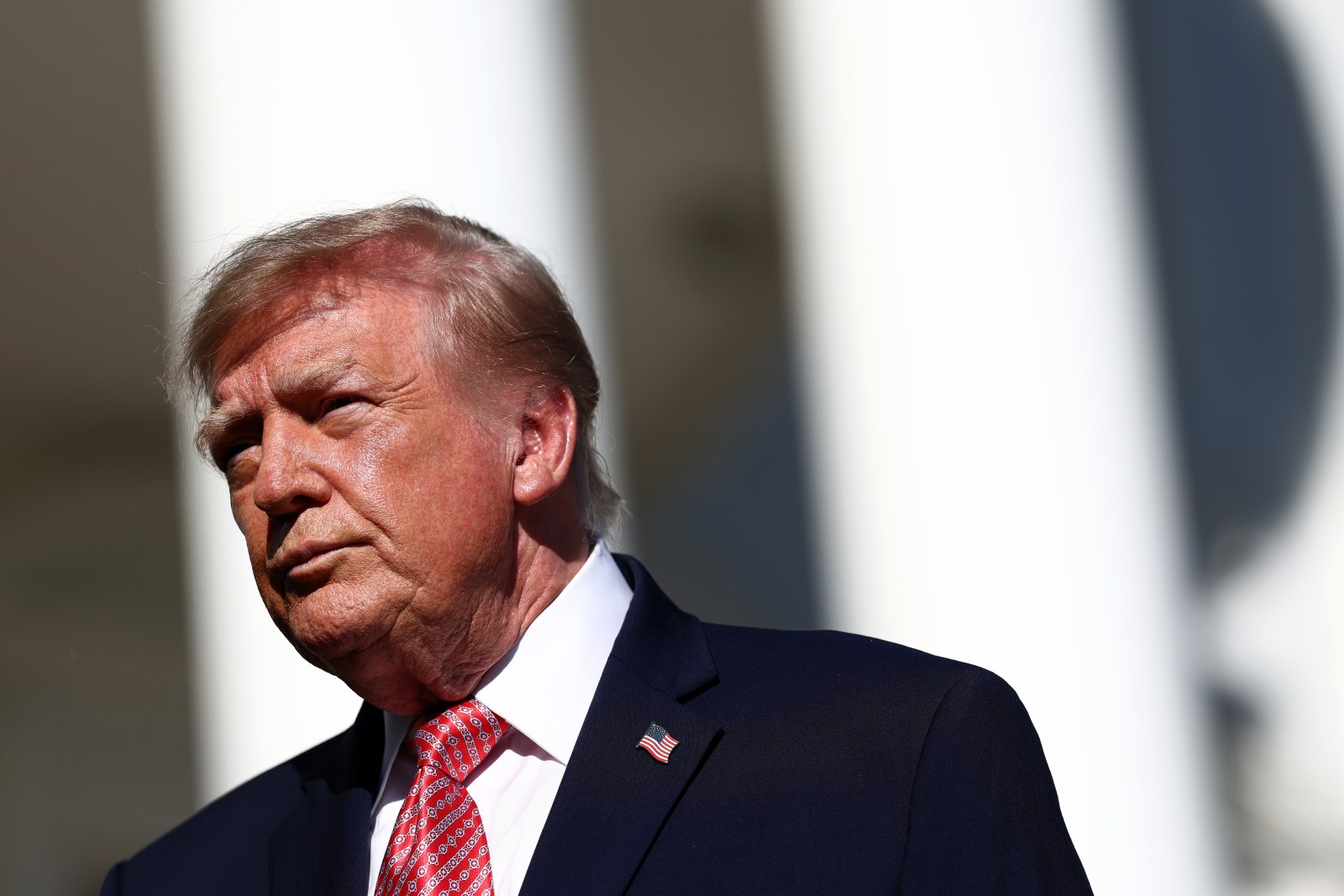
AdImpact Analysis of Campaign Ads
New data shows a significant shift in Republican campaign strategy for the midterm elections, with nearly no mentions of former President Donald Trump in Republican advertisements. According to AdImpact, only 1 percent of Republican ads featured Trump in October, a steep decline from 47 percent in May. This contrasts with Democratic ads, where Trump is mentioned in 21 percent of broadcasts this month.
Polling and Republican Concerns
Various polls indicate a drop in Trump’s popularity, with some Republicans in competitive races seeking distance from him. Political strategist Mike Madrid noted that GOP candidates are attempting to dissociate from Trump, though it may be too late to save many campaigns.
A White House official stated that Trump remains the leader of the Republican Party, asserting there is no divide between him and the party’s candidates.
Advertising Trends and Expenditure
Throughout this year, Republicans aired about 715,000 ads mentioning Trump, with a peak in early May. Democratic ads totaled 637,000 over the same period, increasing as midterms approach. Republican ad spending reached $830 million from September 9 to October 17, with less than 1 percent referring to Trump. In contrast, Democrats allocated $590 million to ads, with 20 percent mentioning the former president.
Republican Candidates’ Actions
Analysis by Newsweek highlighted that several Republicans in competitive races have eliminated references to Trump from their campaign websites, indicating a shift towards affordability and cost of living as key voter issues. The Republican National Committee responded by criticizing Newsweek’s portrayal of a Republican collapse.
Republican candidates have expressed concerns about aligning too closely with Trump. Texas Attorney General Ken Paxton, captured in leaked audio, voiced worries about Trump’s impact on his campaign, later clarifying his respect for Trump’s presidency.
Maine Senator Susan Collins distanced herself from Trump during debates, emphasizing her independent voting record and opposition to certain Trump policies, such as tariffs with Canada and Russian diesel imports.
Republican Party’s Denial
The White House and the GOP have denied any deliberate distancing from Trump. They emphasized his role as a leader and motivator and highlighted his nationwide tour to support Republican candidates.
Trump’s Approval Rating
Recent polls, including from Reuters/Ipsos, suggest Trump’s approval rating is at record lows, with only 31 percent satisfaction. Concerns on economic issues like inflation and cost of living prevail among voters.
Democratic strategist Jesse Ferguson reflected on Republicans’ challenges in disassociating from Trump, suggesting their efforts might be insufficient to influence voter perception.
Despite attempts to sever ties with Trump, Mike Madrid and other political analysts argue these efforts might be too late, as Trump remains more of a liability than a beneficial point of association for Republicans.