Society of St. Pius X Faces Excommunication after Bishop Consecration
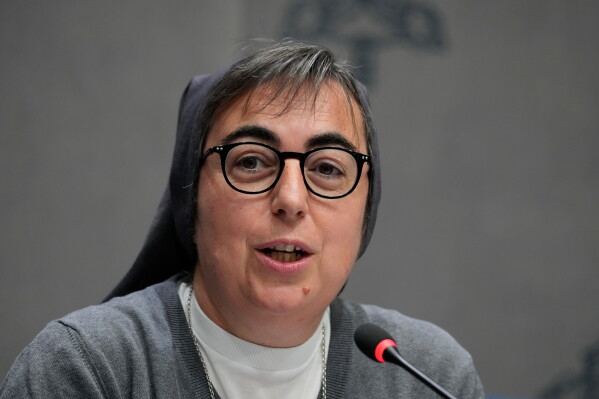
The ultratraditionalist Society of St. Pius X (SSPX) is defying Pope Leo XIV by consecrating four bishops without his approval at a seminary in Econe, Switzerland. This act results in automatic excommunication for the bishops involved and signifies a significant disruption in the unity of the Catholic Church.
SSPX and the Traditionalist Movement
The SSPX was established in reaction to the reforms of the Second Vatican Council. These reforms changed the Catholic Church’s engagement with various faiths and permitted Mass in local languages instead of Latin. Archbishop Marcel Lefebvre founded the society, which was suppressed by the Vatican in 1975. In 1988, Lefebvre consecrated four bishops without consent, resulting in their excommunication.
Despite lacking legal recognition, SSPX has expanded. Now, the group presents a parallel structure to the official Church, holding two bishops, 751 priests, and 264 seminarians among others across five seminaries.
Consequences of Unapproved Consecration
According to canon law, consecrating a bishop without papal approval incurs automatic excommunication for those involved. The Vatican need not declare these excommunications; they are immediate. Some believe the Vatican will respond due to SSPX’s public actions.
Excommunication, intended as a corrective measure, highlights erroneous actions and seeks repentance from those affected, as stated by Rev. Robert Gahl from the Catholic University of America. Despite excommunication, SSPX bishops remain validly ordained, though illicitly.
The recent events might prompt Pope Leo XIV to consider extending excommunication to attendees, though such action is unexpected.
Pope Francis and SSPX Dynamics
Despite general caution towards traditionalists, Pope Francis made some concessions to SSPX. In 2015, he legitimated confessions heard by SSPX priests, extending this as a continuous gesture beyond the Jubilee of Mercy. He also permitted SSPX priests to conduct marriages legitimately. However, Pope Leo XIV might revoke some of these concessions in response to recent actions.
Efforts of Pope Benedict XVI
Pope Benedict XVI attempted reconciliation with SSPX, easing Latin Mass restrictions and lifting excommunications of SSPX bishops in 2009. This act, however, was criticized due to Bishop Richard Williamson’s Holocaust-denying statements. Williamson, later expelled from SSPX, died in 2025 after continued dissent.
Broader Traditionalist Relations
Though SSPX remains outside Rome’s communion, other traditionalists maintain communion with the Holy See. Pope Francis addressed divisions by curbing the old Latin Mass in the Church. In fostering unity, Pope Leo XIV permitted a prominent cardinal to celebrate a Latin Mass in St. Peter’s Basilica.
The Associated Press collaborates with The Conversation US in its religion coverage, supported by Lilly Endowment Inc. The AP retains full responsibility for its content.