Supreme Court Upholds State Bans on Biological Males in Girls’ Sports
The U.S. Supreme Court has upheld laws from Idaho and West Virginia, reinforcing bans on biological males participating in girls’ sports. This decision supports the idea that transgender status does not qualify as a protected class similar to race or religion, allowing states to make their own decisions.
Law experts, including Jonathan Turley and Shannon Bream, explain that this ruling aligns with the court’s emphasis on preserving fairness for female athletes. The Supreme Court’s decision refrains from rendering laws meaningless by acknowledging biological distinctions between sexes. It comes amid years of cultural pressure seeking to blur these lines.
The verdict validates efforts over decades to maintain separation between men’s and women’s sports. It also contrasts against pressures advocating for combined competitions, a trend which has impacted countless female athletes negatively by diminishing their chances at success and increasing risk of injury.
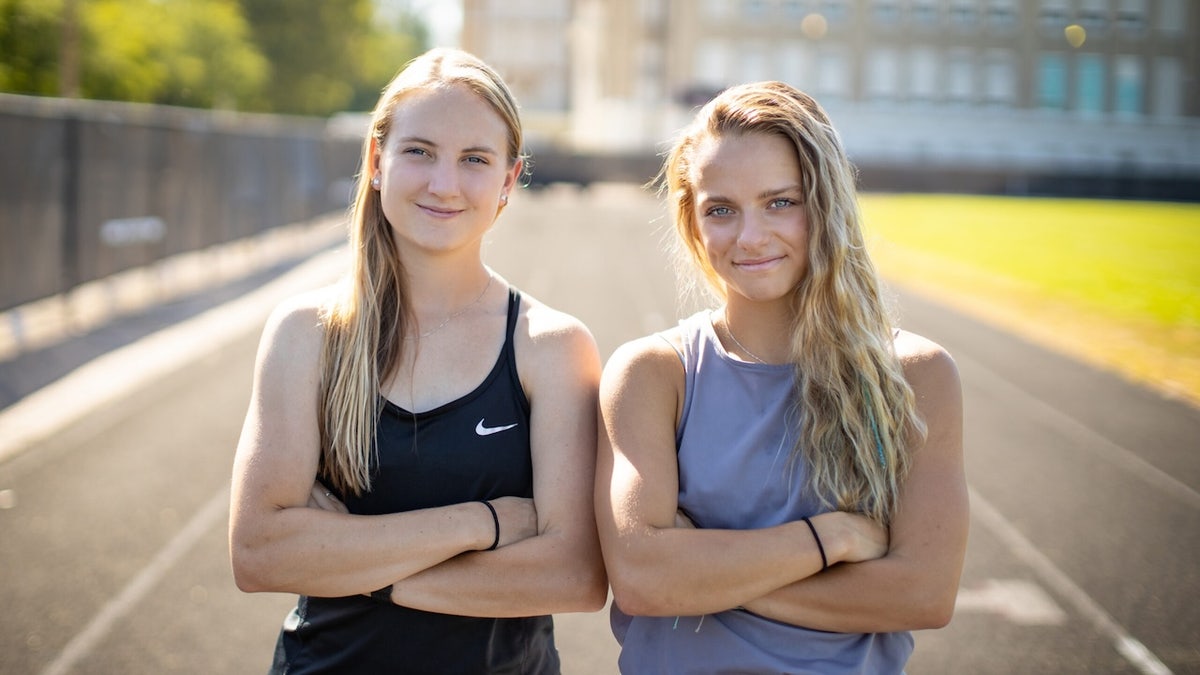
Among the affected athletes, Lainey Armistead, Madison Kenyon, and Mary Kate Marshall have experienced unfair competition and privacy violations. They, along with many others, have faced setbacks in their athletic ranks due to policies allowing biological males in women’s sports.
Adaleia Cross, part of the same teams as B.P.J. in West Virginia, is one of many female athletes displaced by such policies. She reported being harassed by a male athlete who shared their sporting facilities. This pattern has forced numerous girls to sacrifice personal privacy and safety.
Idaho’s Mary Kate Marshall and Madison Kenyon have stepped forward as defendants to safeguard the integrity of women’s sports. They contribute to the ongoing legal cases that challenge such policies at national levels.
While several states have enacted laws to protect women’s sports, many others have yet to follow. This recent ruling encourages states without such laws to take initiative, ensuring young women receive fair competition and the benefits that come with it.
Supporters express gratitude towards West Virginia Attorney General J.B. McCuskey, Idaho Attorney General Raúl Labrador, and advocacy groups like Alliance Defending Freedom. Their efforts have played pivotal roles in upholding states’ rights to decide on these issues.
Athletes and supporters like Riley Gaines and Stephanie Turner have been vocal, championing the cause for fair athletic opportunities. The ruling marks progress toward equitable sports environments, but acknowledges that further efforts are needed.