The Struggle for Democracy in Albania
In southwestern Albania, a 14th-century monastery near a lagoon stands firm amidst natural beauty and historical significance. The surrounding area, a protected wetland, is among the last pristine coastal stretches in Albania. When plans to construct a luxury resort emerged, linked to an investment associated with Jared Kushner, widespread opposition arose from locals determined to defend their heritage. This backlash was not just about the project; it pointed to deeper systemic issues.
The proposed resort is not the primary cause of Albania’s challenges; it reflects broader problems. Tourism comprises about 22% of Albania’s GDP, making the economic argument for such developments compelling. However, environmental concerns around Zvërnec are serious and deserved careful public debate. What transpired instead was familiar: quiet amendments to national laws, a parliamentary majority pushing the initiative forward, and the public excluded from meaningful participation.
Since Edi Rama’s administration took power in 2013, promises of modernization and a clear path to the EU have been made. While infrastructure and urban development projects have seen some success, they have been overshadowed by scandals of corruption. Allegations involve government-linked oligarchs and a lack of transparency. The Special Structure against Corruption and Organized Crime (SPAK) has only confirmed suspicions, with arrests of former ministers, a former mayor, and senior officials. These incidents suggest systemic issues within the government.
Public concerns extend beyond mere corruption. High-cost infrastructure, opaque dealings, and concentrated economic interests have fueled disillusionment. Many believe political power serves narrow interests rather than the common good, reinforcing the idea that accountability is lacking and oversight inadequate.
Additionally, Albania faces a weak opposition led by Sali Berisha, a figure linked to past political failures. For many, he symbolizes a stagnant political system. Unanswered questions about influence and a lack of fresh vision leave citizens unrepresented by any political side.
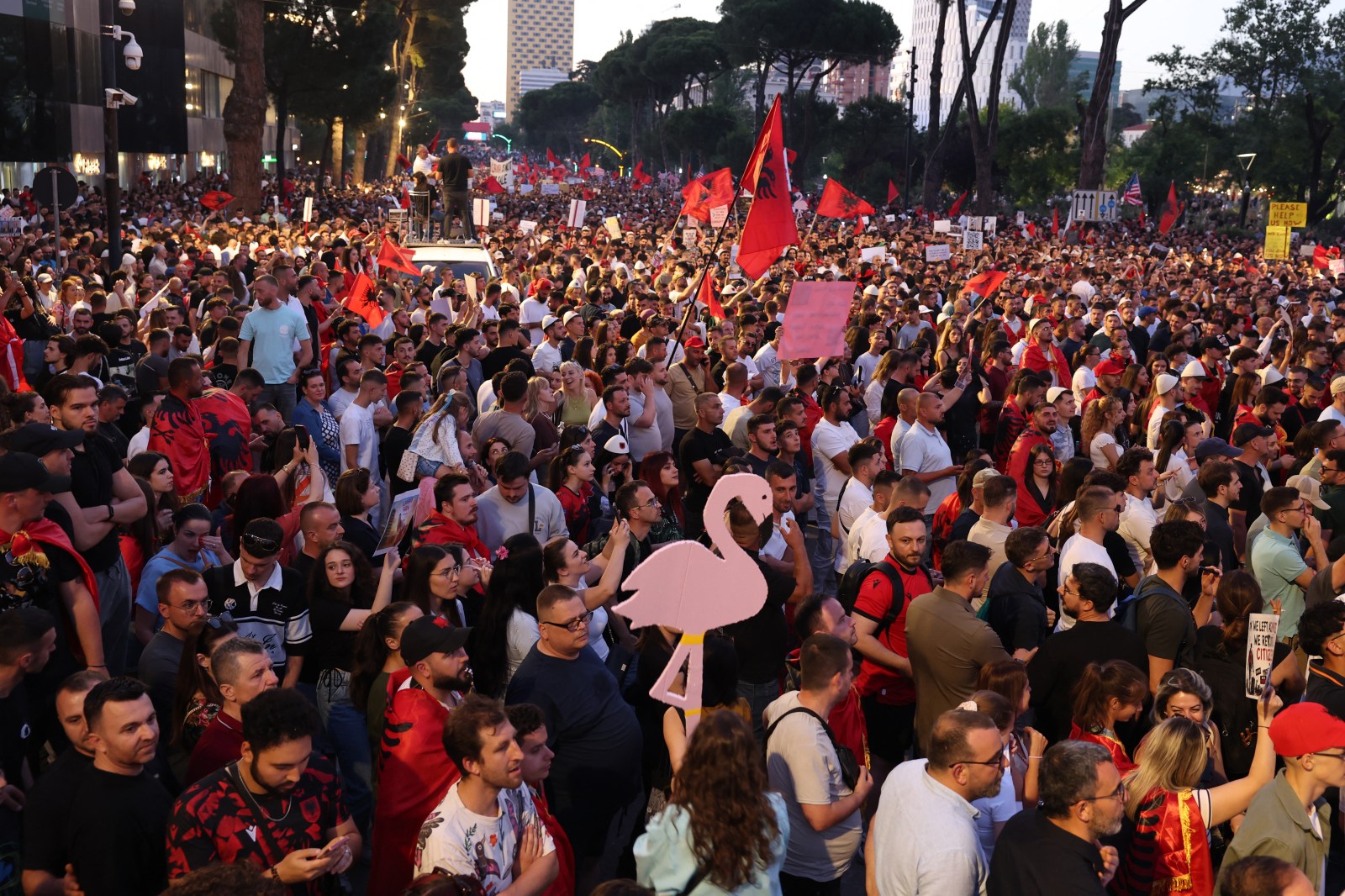
Protests in the streets are not about Jared Kushner or Trump; they are about government failure. Protesters demand accountability and governance that serves their interests, not old political machines. They seek systemic change, not just a change in leadership.
This extends beyond Albania. For democracy to thrive, it must deliver results. When citizens suspect incompetence or insider dealings, populism gains an opening and authoritarianism becomes tempting. Democracy’s defeat doesn’t occur solely on physical battlegrounds but also in failing systems. Albania’s protests serve as both a warning and a hopeful sign; citizens persist in demanding better, demonstrating democracy’s resilience. This is not a democratic crisis, but democracy asserting itself.
Rudina Hajdari is Acting Program Director at the Institute for Global Affairs. A former Albanian parliament member, she has also served on the U.S. House Foreign Affairs Committee. The Institute for Global Affairs operates under the umbrella of Eurasia Group. Opinions in this article are the author’s own.