Tight Race in Peru’s Presidential Election
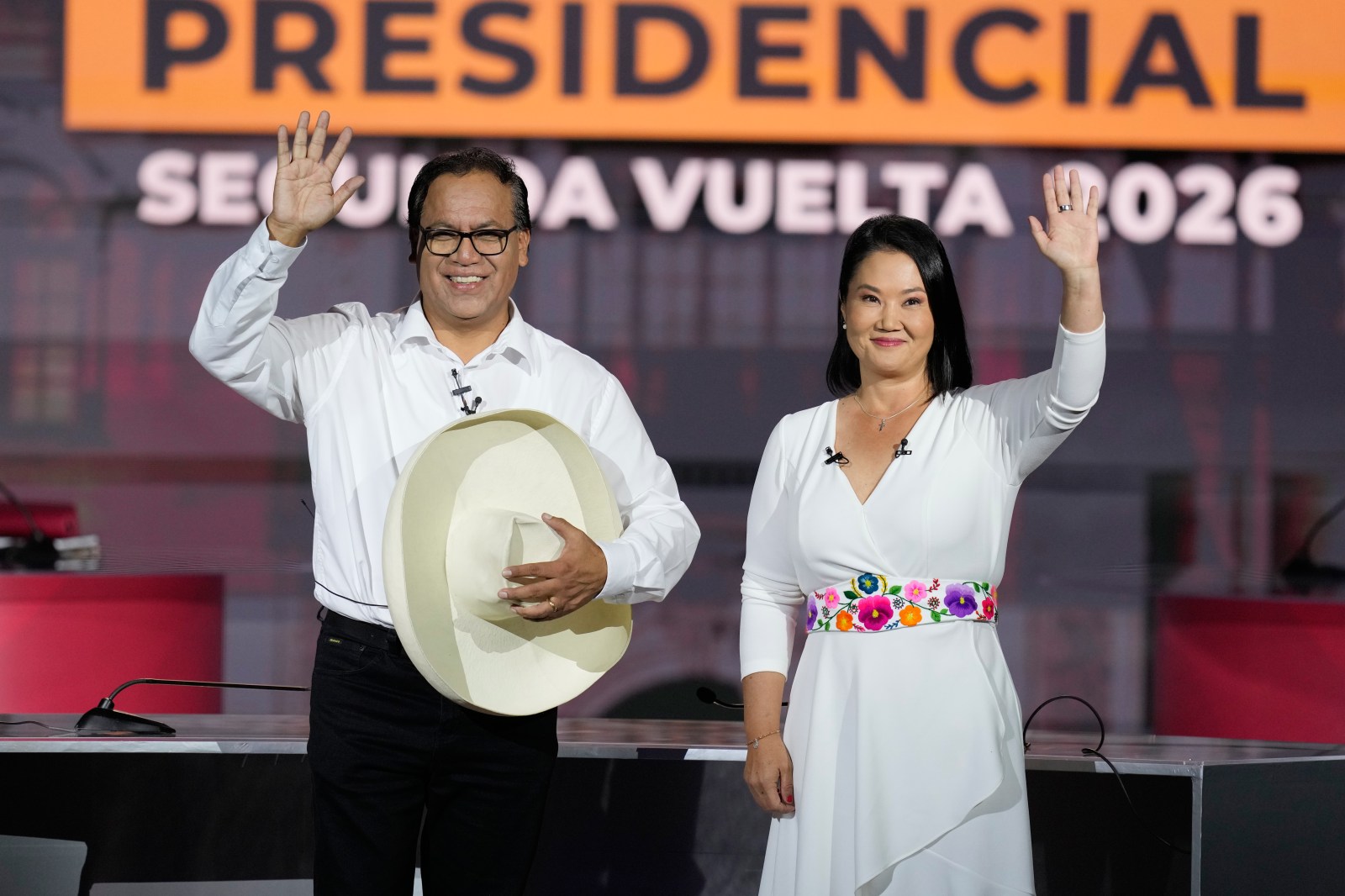
The presidential race in Peru, featuring right-wing Keiko Fujimori and left-wing Roberto Sánchez, is highly competitive with 97% of votes counted. Ballots from overseas, especially those from Florida, might determine the victor.
Currently, Sánchez holds a small lead with 50.05% of the vote, compared to Fujimori’s 49.94%. Votes from Peruvians abroad are crucial as many support Fujimori, which might reverse her current deficit.
Significance of Overseas Votes
Data from Peru’s National Office of Electoral Process indicates that 62.5% of overseas votes support Fujimori (132,004 votes), while Sánchez has 37.5% (79,327). Around 1.2 million Peruvians abroad were eligible to vote in the election’s second round, according to the Latin Times.
Amongst voters in the United States, where the largest number of Peruvians reside outside Peru, Fujimori’s support is more evident. There, she received 76.56% of votes against Sánchez’s 23.43%.
Massing votes in the U.S., particularly in Florida with its substantial Peruvian-American population, paints a clear picture. In Miami, Fujimori received 88.79% of votes (9,310 total votes) compared to Sánchez’s 11.21% (1,175). In Orlando, Fujimori secured 86.60% (929 votes) with Sánchez obtaining 13.34% (143).
The tendency of Peruvian expatriates to favor Fujimori mirrors historical trends, where these communities typically lean conservative and less supportive of leftist policies compared to rural Peruvians.
Reasons Behind Diaspora Support
Many overseas Peruvians migrated during political turmoil and economic hardship in the 1980s and 1990s, during Alberto Fujimori’s presidency, Keiko’s father. While his tenure was marred by human rights abuses, it was also characterized by economic reforms and the fight against the Shining Path insurgents. For some expatriates, this period signifies stability.
Sánchez, facing his own challenges, is aligned with former president Castillo, who was ousted in 2022 following a controversial state of emergency declaration, leading to his 12-year prison sentencing.
In the 2021 presidential elections, despite overseas support, Fujimori lost narrowly to socialist Pedro Castillo, who garnered strong backing from the Andes and rural areas.
Impact of Overseas Votes
Though overseas votes comprise a small fraction, their impact is notable in such a close race between Fujimori and Sánchez. As counting progresses, overseas figures, slower than local votes, could tip the scale toward Fujimori’s favor.
At the time of reporting, 99.09% of Miami’s votes and 80.95% of Orlando’s have been counted. Overall, only 67.47% of overseas votes have been tallied, while 98.21% of local votes have been counted with Sánchez holding a slight lead.
Sánchez pledges to accept the final results, while Fujimori urges patience until all votes are counted. Official results might be available by mid-July following ballot review and potential recounts. The new presidential term is set to commence on July 28.
Dr. Christopher Sabatini from Chatham House warns of potential instability regardless of the winner. Sánchez might face a divided Congress mirroring his mentor’s difficulties, while a Fujimori victory could invite retaliatory politics.