Tight Texas Senate Race Hinges on Voter Turnout
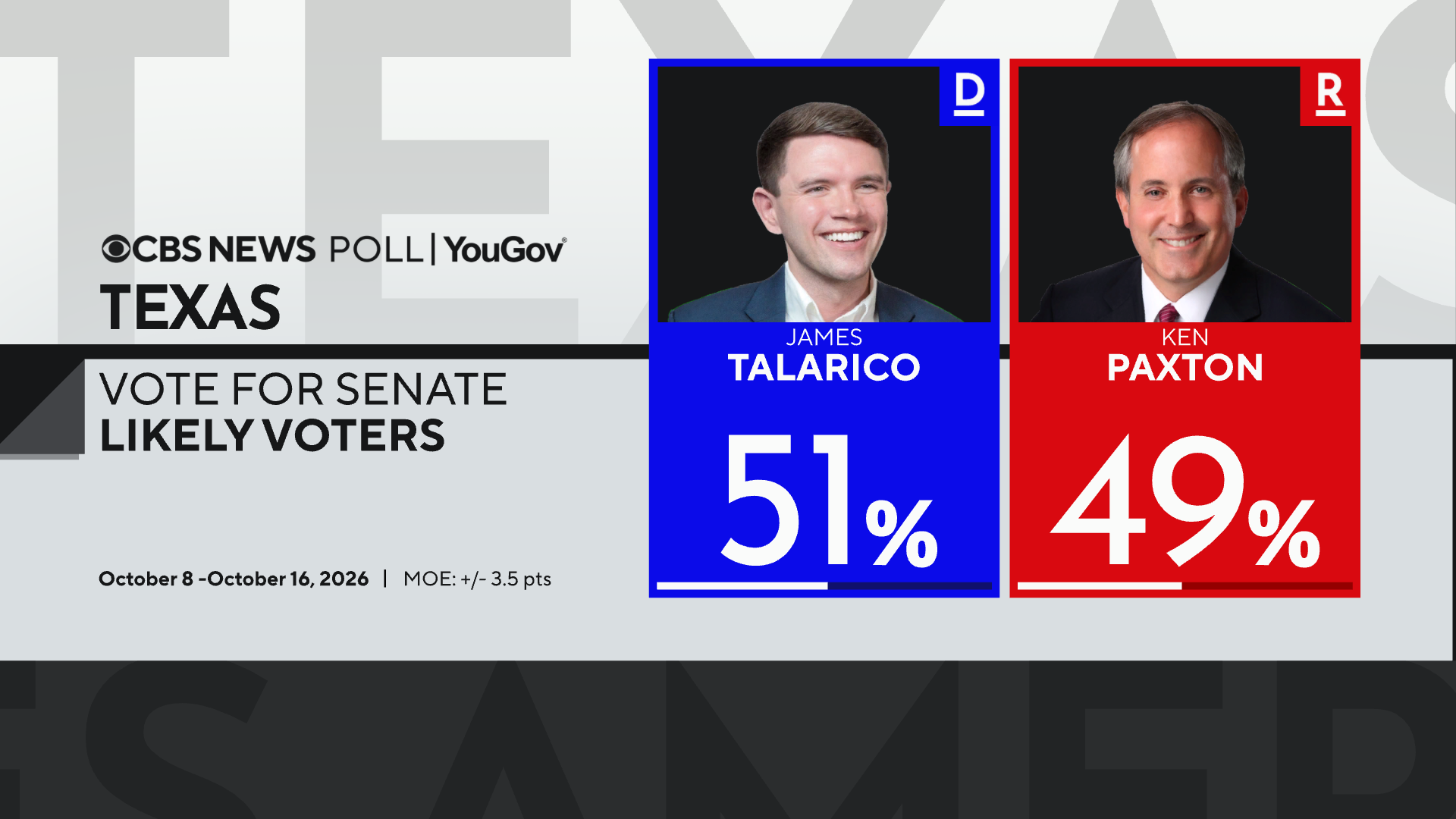
The Texas Senate race is in a dead heat between Republican Ken Paxton and Democrat James Talarico, with voter turnout likely to determine the outcome. Paxton benefits from the state’s Republican leanings, while Talarico gains support due to economic issues and perceptions of his personal character.
Talarico is advantaged by more Democrats committing to definitely voting. However, if Republican voter turnout increases, the race dynamics could shift significantly in Paxton’s favor.
Support for Paxton
Paxton’s supporters are largely motivated by his status as the GOP nominee, opposition to Talarico, and a desire to support former President Trump. Despite economic challenges for Republicans nationwide, Texas presents a distinct landscape where Trump’s deportation policies have more backing, benefiting Paxton. Many Republicans view Talarico’s policies as a threat to their way of life.
Support for Talarico
The cost of living is crucial for Texas voters, with most feeling the pinch of higher prices. Among these, Talarico holds a notable advantage over Paxton. His perceived character to serve as senator elevates his standing. Talarico attracts 5% of Republican identifiers and 9% from voters who avoid Democrats but support him this time.
Latino voters, who previously shifted toward Trump in 2024, now largely support Talarico. They more frequently cite high prices as a hardship and doubt Paxton’s personal character fit for Senate.
Demographic Challenges
Texas houses more Republicans than Democrats, compelling Talarico to excel with independents, sway some GOP voters, and mobilize new supporters. He needs robust participation from younger voters, who traditionally vote less.
Governor’s Race
In the gubernatorial race, incumbent Greg Abbott leads over Democrat Gina Hinojosa. Notably, 7% of Talarico’s supporters also back Abbott.
This information is based on a CBS News/YouGov survey conducted with 1,492 Texas registered voters from October 8-16, 2026. The survey was weighted by demographic factors and past voting behavior, with a margin of error of ±3.4 points among registered voters and ±3.5 points for likely voters.