Tofu Tops List of Protein Sources Based on Nutrition and Environmental Impact
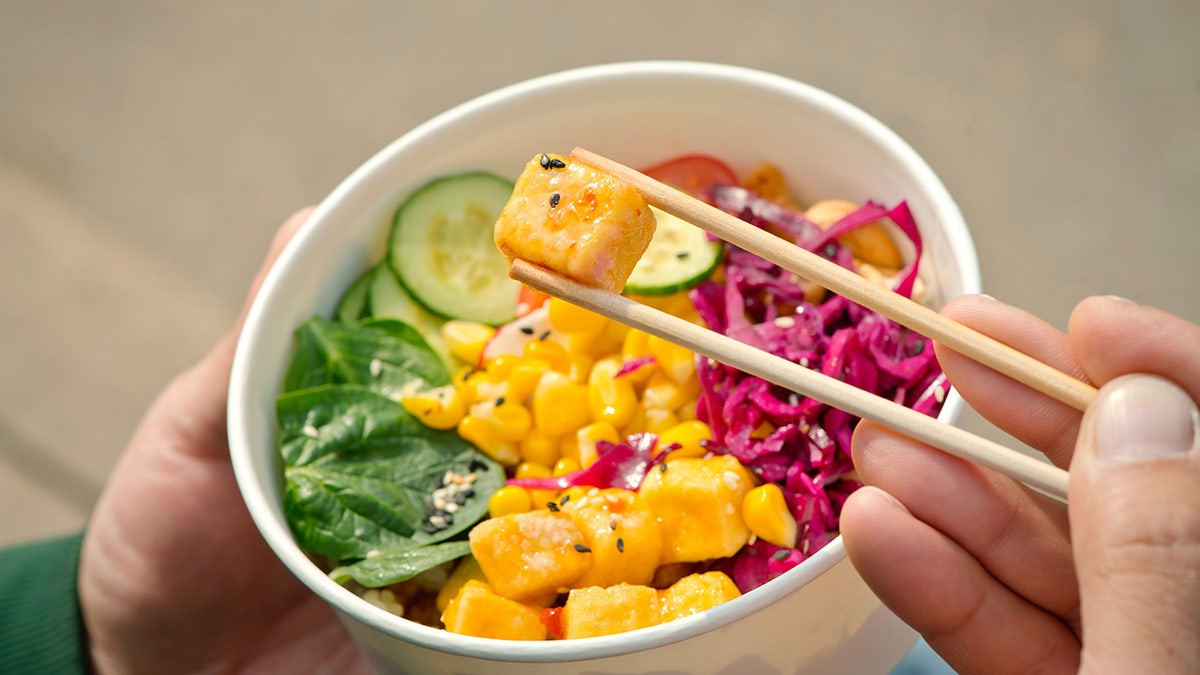
A recent analysis of protein sources has revealed that tofu is the top choice when considering factors like nutrition, affordability, availability, and environmental impact. This analysis was published in the journal Frontiers in Sustainable Food Systems and introduced the BPI Score, developed by University of Cambridge researcher Chris Macdonald and the Better Protein Institute (BPI).
Understanding the BPI Score
The BPI Score rates 20 different protein sources on a 40-point scale. It evaluates them based on a combined assessment of two categories: People Score and Planet Score.
The People Score considers nutrition factors such as sodium, saturated fat, cholesterol, the presence of essential amino acids, as well as affordability and availability. Meanwhile, the Planet Score focuses on environmental factors including greenhouse gas emissions, water pollution, land use, and freshwater use.
Tofu Leading the Way
Tofu emerged as the highest-ranked protein source with 36 out of 40 points. It performed well in both categories of the BPI Score. Producing 100 grams of tofu protein resulted in 0.61 kilograms of greenhouse gas emissions, significantly lower than the 64.19 kilograms for beef. Tofu also required about 2 square meters of land compared to beef’s 211 square meters for the same protein amount.
Other High-Ranking Protein Sources
Beans, chia seeds, and quinoa rounded out the top four spots. In contrast, mozzarella, lamb, beef, and cheddar were among the lowest-scoring foods.
Experts emphasize that this ranking is an initial scoring system developed by one researcher and relies on U.K. grocery data. It compares the amount of each food needed to provide 100 grams of protein rather than equal-sized portions.
Expert Opinions and Considerations
Corry Matthews, a California-based fitness and nutrition expert, suggests that individuals should evaluate protein quality, portion sizes, and their realistic dietary needs. For instance, three ounces of cooked chicken breast provides about 26 grams of protein, whereas half a cup of firm tofu offers 10 to 15 grams, depending on the product. Two tablespoons of chia seeds contain only 4 to 5 grams.
Matthews advises against relying solely on rankings for nutritional decisions. Consideration of personal goals, serving sizes, and dietary requirements is crucial.
Ashley Koff, an Oregon-based registered dietitian, points out the importance of individual needs. People should choose protein sources they enjoy and can digest well.
In conclusion, the BPI Score provides valuable insights but should be used as one tool among many when choosing the best protein sources for individual needs.