U.S.-Iran Tensions Amid Fragile Ceasefire Discussions
Doha, Qatar – Negotiations involving Iranian and U.S. teams were planned for Doha this week. However, Iran announced no meeting is scheduled, casting doubt on the interim ceasefire’s stability, which seeks to end the ongoing four-month conflict. Amidst recent missile strikes exchanged by both nations, President Donald Trump appointed son-in-law Jared Kushner and envoy Steve Witkoff to lead the U.S. team, stated press secretary Karoline Leavitt.
In parallel, Iran’s technical delegation is set to arrive in Qatar, but Foreign Ministry spokesperson Esmaeil Baghaei clarified this visit is unrelated to the Americans’ presence and no talks are planned. “We will not have any negotiation meetings at any level with the American side in the coming days,” Baghaei stated.
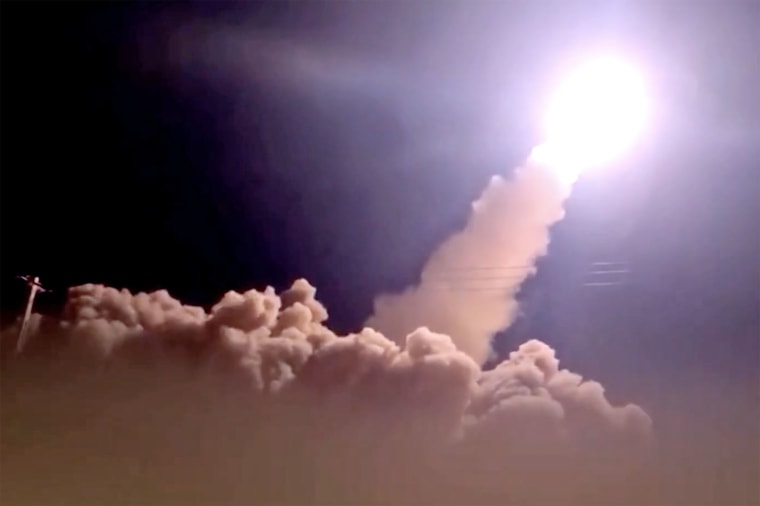
The differing statements highlight the fragility of the June 17 accord aimed at pausing a conflict disrupting global oil flow via the Strait of Hormuz. This issue serves as a political challenge for Trump with congressional elections looming. A video from Iran’s Islamic Revolutionary Guard Corps revealed recent strikes on U.S. military sites in Kuwait and Bahrain.
Both nations granted themselves 60 days to enforce a memorandum of understanding extending an April ceasefire. The agreement included discussions on Iran’s nuclear agenda and a potential lasting truce. Progress remains sluggish, marred by mutual accusations of agreement violations.
Following a U.S. and Israeli assault on Iran on February 28, traffic through the strategic Strait of Hormuz virtually halted. Previously, it managed about 20% of global oil trade. Israel chose not to participate in U.S.-Iran peace negotiations, distancing itself from the agreement. The precarious relationship between Washington and Tehran complicates efforts to cease fighting in Lebanon. There, Parliament Speaker Nabih Berri, allied with Iran-backed Hezbollah, questioned a separate U.S.-brokered pact between Lebanon and Israel.
The waterway’s closure pushed oil prices above $100 a barrel, elevating global inflation and increasing pressure on Trump, particularly with midterm elections influencing U.S. Congress control. Some Republicans criticized Trump for engaging in conflict absent congressional authorization.
On June 21, oil tankers and cargo vessels were seen anchored at Port Sultan Qaboos in Muscat, Oman. Discussions in Doha are planned for Tuesday, highlighting crucial management of the Strait and a reduction in tensions, an Iranian official confirmed. Unlike prior technical discussions between Iran and U.S. teams in Switzerland, this would concentrate on logistical aspects.
Furthermore, another official indicated U.S. and Iranian tech teams would meet separately with Qatari and Pakistani mediators on Wednesday. Trump’s statement from the Oval Office revealed, “The meeting in Doha is going to be perhaps important, perhaps not. We’re going to find out.” He maintained “we’re winning militarily” and reiterated the need to halt Iran’s nuclear armament.
Iran seeks advantageous positioning by demonstrating control over the strait shared with Oman. They plan to levy fees on ships traversing the passage and obstruct vessels violating designated paths. The U.S. accused Iran of missile or drone attacks on at least two commercial ships recently, responding by bombing Iranian military sites.
Iran retaliated with attacks on U.S. military sites in Kuwait and Bahrain early Sunday. Kushner and envoy Witkoff were in Islamabad, Pakistan in April. Witkoff and Secretary of State Marco Rubio briefed Congress members on Iran. Republican Senator Steve Daines commented on the “constructive” briefing, despite minimal discourse. Yet, top Senate Democrat Chuck Schumer found the briefing “deficient, and devoid of details.”
Schumer criticized the Trump administration for leading America into an expensive conflict without any discernible benefits. He noted Iran would gain billions in oil revenue while retaining sway over the vital Strait of Hormuz. Meanwhile, Iranian President Masoud Pezeshkian announced $6 billion from assets frozen in Qatar would return to Iran, as per state media.
He touted the memorandum’s inclusion of U.S. waivers on sanctions impacting Iran’s oil and petrochemical sectors as “a great victory for the Iranian people.”
Recent hostilities over the weekend elevated oil prices by more than 1%, emphasizing the instability of the U.S.-Iran pact. On Monday, French President Emmanuel Macron indicated collaboration with Oman to ease tensions and coordinate with allies to demine the Strait of Hormuz. However, Iran’s Deputy Foreign Minister Kazem Gharibabadi announced Iran would solely handle mine clearance under the 14-point plan, cautioning France against intensifying the scenario.