Understanding The Gut Microbiome: What Science Reveals About Its Role In Health
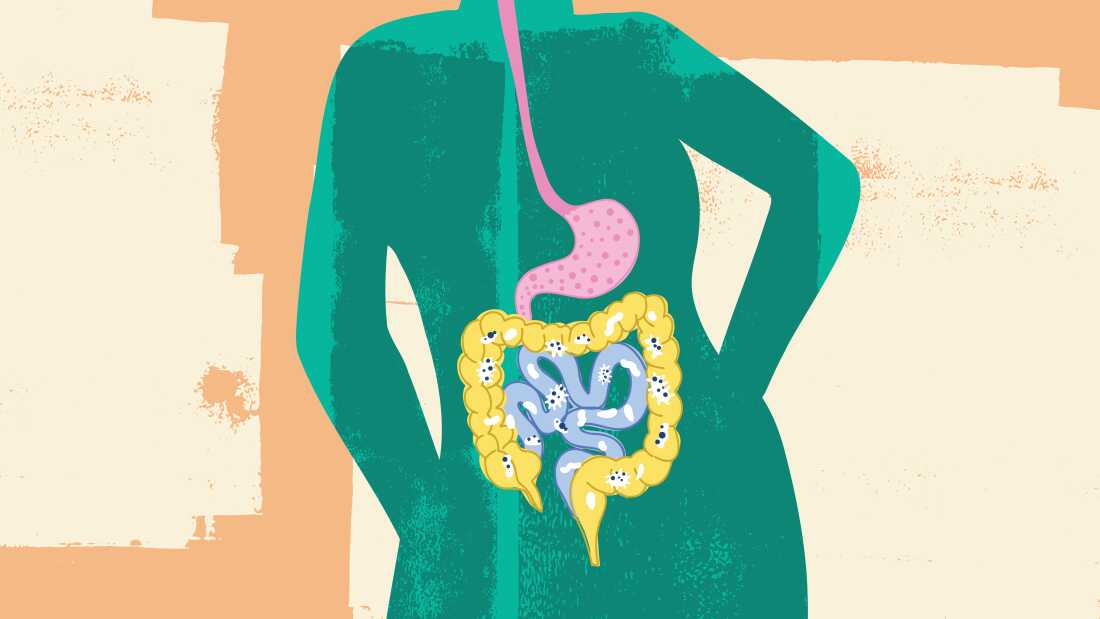
The gut microbiome varies greatly among individuals, influenced by factors like geography, lifestyle, diet, and genetics. This complex ecosystem of bacteria and microorganisms plays crucial roles in digestion, immunity, mood, metabolism, and cognition. However, while public interest in gut health has surged, marketing claims often exceed scientific evidence.
Defining a ‘Healthy’ Gut Microbiome
Determining the makeup of a ‘healthy’ microbiome remains difficult. Variability across healthy individuals prevents a clinical consensus like those for cholesterol or blood pressure. Although research suggests characteristics like microbial diversity are beneficial, higher diversity can sometimes associate with diseases. Thus, identifying microbiome health remains complex.
Function Over Composition
Specific bacteria groups are linked to health benefits. Rather than focusing on individual microbes as ‘good’ or ‘bad,’ scientists now emphasize community function. Key bacteria, such as Roseburia and Faecalibacterium, contribute to health through fiber fermentation, producing beneficial metabolites like short-chain fatty acids.
Modern Microbiome: Not Perfect, Not Broken
Industrial lifestyles impact gut health, though not entirely negative. Changes in diet, antibiotics, and lifestyle have influenced the microbiome, but adaptation may hold benefits. A careful examination reveals that different historical periods had their own health challenges, such as Helicobacter pylori presence.
Questionable Accuracy of Direct-to-Consumer Tests
Consumer microbiome tests promise insights into individual gut health yet lack clinical reliability. Interpretation suffers due to a lack of standardized metrics for healthy microbiomes, and results vary between testing methods and companies.
The Probiotics Puzzle
Probiotics must be alive, in sufficient quantity, and show health benefits. Despite marketed claims, consumers must scrutinize these aspects. Probiotics can aid specific conditions like antibiotic-related diarrhea and certain digestive disorders but aren’t meant for permanent colonization.
Dietary Impact: Beneficial Foods
Increasing fiber intake from fruits, vegetables, and nuts enriches the microbiome significantly. Slowly incorporating fermented foods like kimchi and yogurt also boosts microbial diversity and reduces inflammation.
Foods to Limit
While many foods are criticized, it’s the overall dietary diversity that matters most. Minimizing refined sugars, saturated fats, and ultra-processed foods maintains better gut health.
Influence of Lifestyle Choices
Healthy lifestyle choices positively influence gut health. Sleep, exercise, and mental wellness play roles in microbiome health. Simple lifestyle changes can alleviate symptoms like bloating and constipation.
Ultimately, traditional advice—balance and moderation in diet and lifestyle—is echoed by modern microbiome research.