Advancements in Blood Tests Transforming Cancer Care
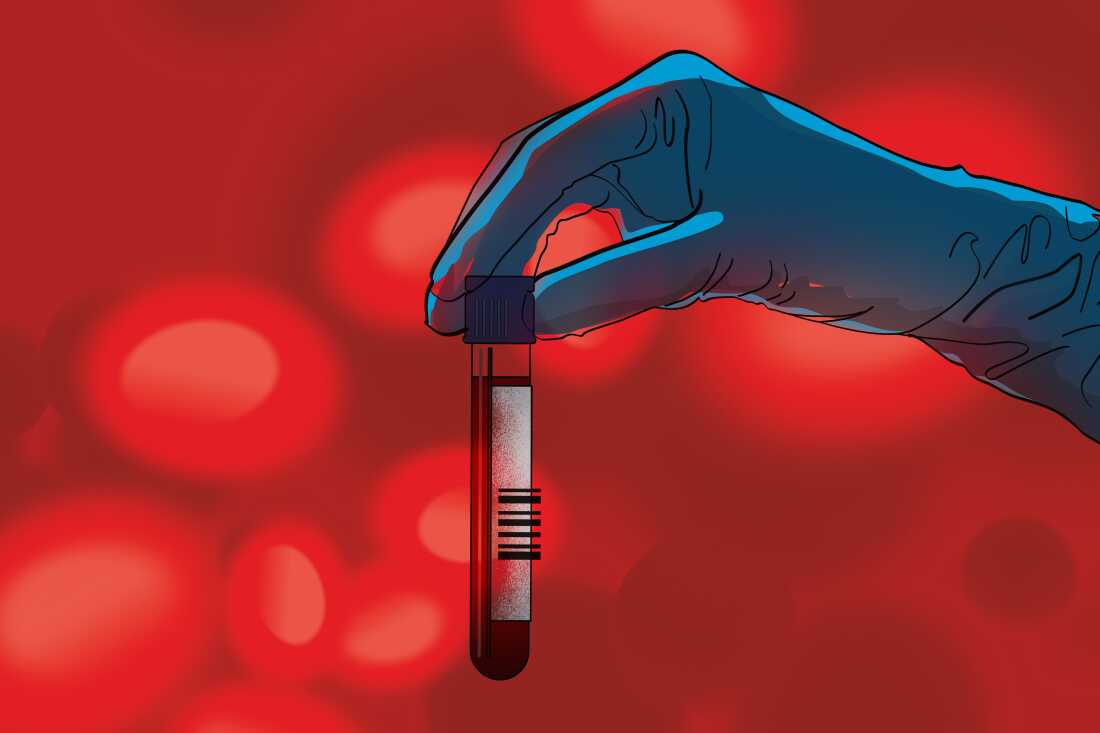
Emerging blood tests can detect traces of up to 50 different cancers from a single blood vial. While these tests do not diagnose cancer, they guide doctors on where to investigate further.
The U.S. Food and Drug Administration is assessing a blood test named Galleri, which has the potential to alter cancer care significantly. Approval from the FDA may pave the way for widespread testing availability.
Currently in the United States, screening commonly occurs for five types of cancer: breast, colon, cervical, prostate, and lung. Each requires its own specific test or exam. Galleri, however, finds biomarkers for up to 50 cancers with one test. Another similar test, Cancerguard by Exact Sciences, also awaits regulatory approval. The testing industry is actively advocating for government insurance to cover multi-cancer early detection (MCED) tests.
The Path to Medicare Coverage
Congress voted to enable Medicare to cover these tests starting in 2028, following FDA approval. The price of the Galleri test is set at $950, and Cancerguard is priced at $659.
Grail, the company behind Galleri, is examining its effectiveness through studies involving large groups of people over 50, including over 142,000 patients in the U.K. and 35,000 in North America.
Study Findings and Future Possibilities
The studies show promising results, such as a 26% reduction in Stage IV cancers in a single year. However, these tests are not replacements for existing cancer tests. They are seen as complementary tools.
Beyond initial detection, similar blood tests help oncologists monitor existing cancer patients. They assess whether treatments are effective and determine a cancer’s genetic makeup, which aids in selecting suitable treatments.
Blood tests are becoming essential in cancer management and, potentially, future predictions of disease risk.
Future Directions and Implications
Though the Galleri test is not diagnostic, it offers crucial insights into potential cancer origins. This information aids doctors in conducting necessary follow-up exams.
Improved blood tests align with advancements in cancer treatments, making earlier detection crucial for improving survival rates.