Controversy Surrounds Plan to Livestream Execution of Fort Hood Shooter
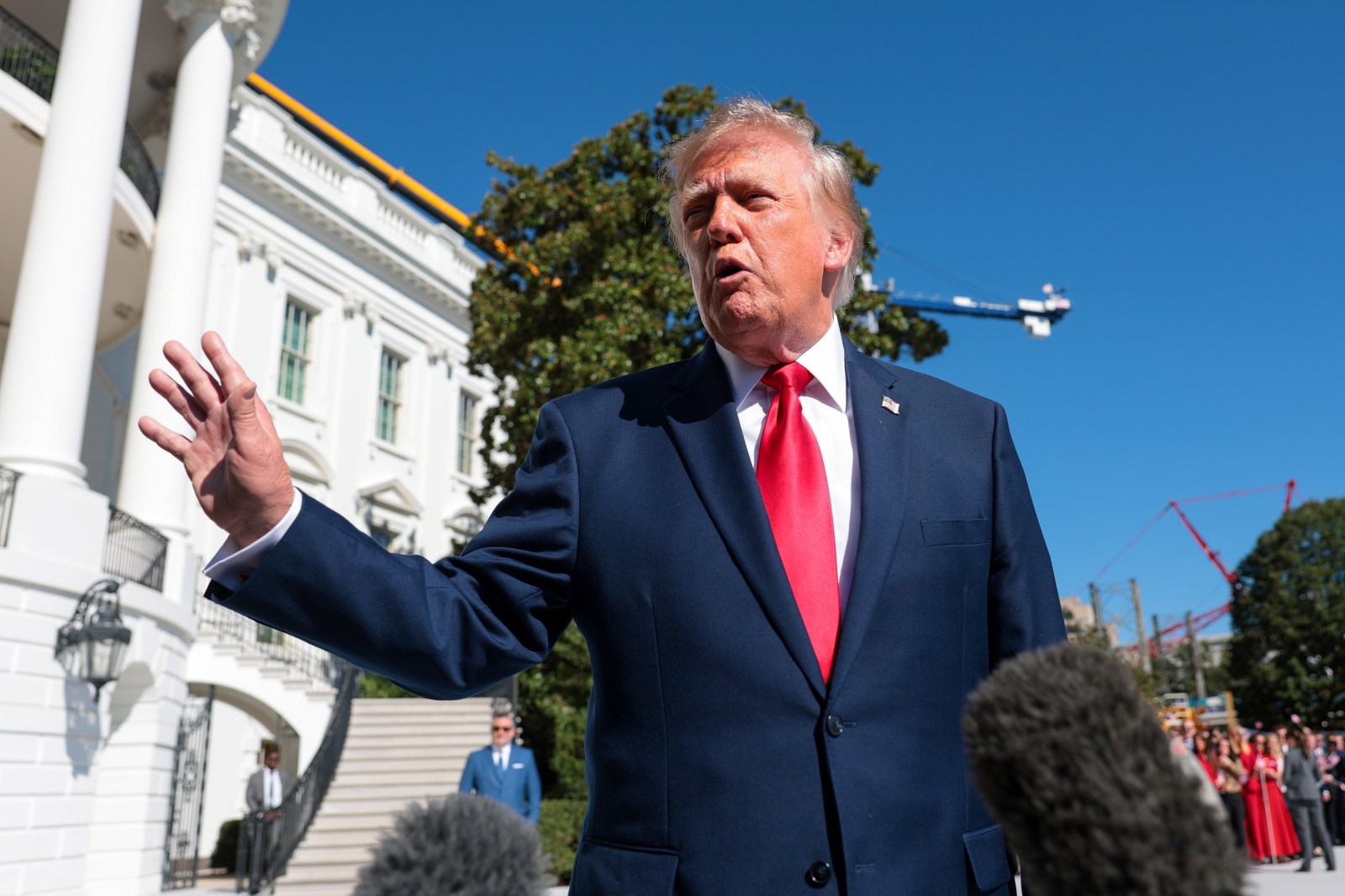
Several Republican lawmakers have expressed disagreement with President Donald Trump over the Pentagon’s decision to broadcast the execution of Fort Hood shooter Nidal Malik Hasan. This decision, announced by Defense Secretary Pete Hegseth, has sparked bipartisan backlash. Prominent figures, including North Carolina Republican Senator Thom Tillis, have condemned the move.
Senator Tillis described the livestream plan as “beyond disgusting,” comparing it to practices seen in oppressive regimes like Iran and Afghanistan. He emphasized that such actions should not occur in the United States.
Vice President JD Vance questioned whether the execution would be streamed but stated he would not watch it if it were. Trump, in contrast, supported the Pentagon’s decision, although he was noncommittal when discussing whether the footage might be used as propaganda. He affirmed that Hasan deserved execution by firing squad.
Austin Sarat, an Amherst College professor with expertise in the death penalty, has stated that while execution by firing squad is inherently brutal, livestreaming it could transform this brutality into a spectacle of cruelty. Sarat noted that such streaming does not educate but instead terrorizes and undermines dignity.
The debate occurs in the context of broader dissatisfaction with how the death penalty is administered in the U.S., especially following Tennessee’s recent mishandled execution of Christa Pike. Newsweek is currently seeking comment from the White House on the matter.
Republican Lawmakers Speak Out
Several Republicans have voiced their opposition to the livestream plan:
- Senator John Curtis: He cautioned against creating a public craving for execution as entertainment, citing historical warnings from Seneca about Rome’s harmful spectacles. Curtis advocates for reconsideration of the plan.
- Senator John Kennedy: Preferring privacy, Kennedy expressed concerns that publicizing the execution would coarsen society, suggesting it not proceed.
- Representative Austin Scott: While supporting the death sentence, Scott emphasized that streaming mirrors actions of jihadists, asserting that America must act better.
- Representative Ann Wagner: Wagner insists that justice can be served without livestreaming, framing the practice as contrary to U.S. values.
- Representative Rob Bresnahan: He stressed focusing on justice for victims, not entertainment, calling for respect over spectacle.
- Representative Tom Barrett: Acknowledging Hasan’s betrayal and violence, Barrett argues against public spectacle, citing American values of human dignity.
- Representative Michael Baumgartner: He supports justice for Hasan but opposes public streaming, urging reconsideration.
Nikki Haley: Trump’s former ambassador to the UN cautioned against aligning with countries like Iran and North Korea, where public executions occur, advocating for American distinctiveness.
Execution Scheduling and Background
The military plans to execute Hasan by firing squad at 1 p.m. on December 3. Hegseth emphasized the public need to witness this as a consequence of severe actions. Hasan’s violent actions in 2009 resulted in 13 deaths and numerous injuries, motivated by his desire to prevent troops from deploying to Afghanistan. A military jury sentenced him to death in 2013, and the U.S. Supreme Court completed the appellate process in March 2025.
The practice of executing service members by firing squad has not been employed since World War II, with the last military execution by hanging occurring in 1961.