Debate Over Trump’s Diesel Deal with Russia and Its Implications
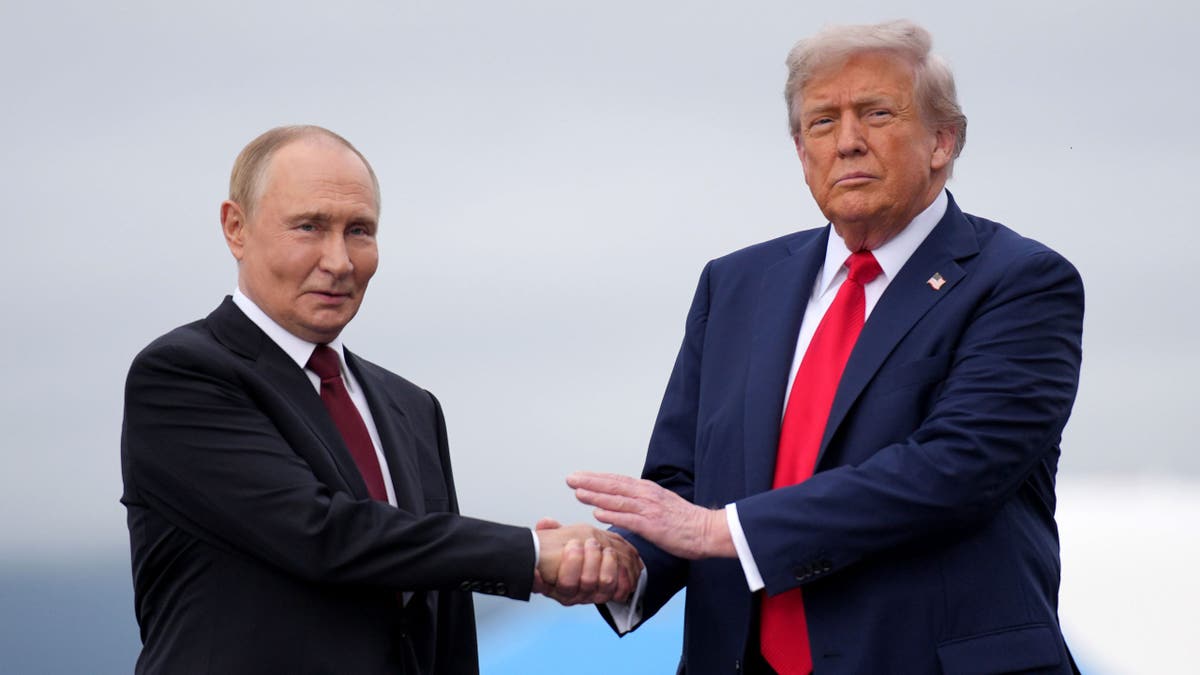
President Donald Trump has announced a temporary reduction in economic pressure on Russia. This move aims to bring President Vladimir Putin closer to a peace agreement. The strategy involves easing certain restrictions on Russian diesel, sparking debate about its potential effects.
The approach has met resistance from Republicans in Congress. They question whether this measure will meaningfully decrease fuel prices in the United States. Meanwhile, Russia shows little sign of reciprocating.
In Washington, six Republican senators have joined Democrats urging Trump to reverse the decision. Additionally, five Republicans in the House signed a bipartisan letter intending to revoke the Treasury’s authorization for the diesel deal. The proposed deadline for implementing a widespread new sanctions law is on October 18, 2026.
The Trump administration believes that reintroducing Russian diesel to global markets could lower fuel costs for American consumers. It highlights potential economic benefits Russia could gain through improved U.S. relations. Trump defends the global market strategy, arguing that it does not require the diesel to reach American shores to benefit the market.
Energy analysts argue about whether the scale of diesel involved would significantly impact prices. Russia continues to target Ukrainian energy infrastructure even after Trump’s announced energy ceasefire.
John Hardie from the Foundation for Defense of Democracies says the diesel deal would make more sense as a bilateral agreement where both Russia and Ukraine cease attacks on energy infrastructure. Yet, he notes that Trump urged Ukraine to halt strikes without extracting similar commitments from Russia.
Trump announced the agreement on October 9 after discussions with Putin. The terms involve Russia supplying significant quantities of diesel to the global market. The Treasury issued General License 135, authorizing transactions with Russian diesel until April 7, 2027.
Tensions rise between Trump and Ukrainian President Volodymyr Zelenskyy due to different approaches to refinery attacks. Ukraine resumed attacks on Russian oil infrastructure, citing Russia’s failure to observe the ceasefire. Russia has increased its assault on Ukraine’s energy system as winter looms.
Steve Witkoff and Jared Kushner discussed the diesel deal with Ukrainian officials to renew peace negotiations. The agreement could potentially influence Russia’s stance by implying ongoing business opportunities with the United States.
Analysts argue the deal’s impact might be minor. Masha Kotkin from the Center for Strategic and International Studies suggests the amount of diesel Russia can supply is negligible compared to global demand.
Sergey Vakulenko from the Carnegie Russia Eurasia Center points out that the value of diesel under this agreement should not be seen as new revenue for Russia. He estimates only part of the potential financial benefits would reach the Russian state due to existing constraints on Russian diesel exports.
Hardie warns that the absence of unified effort between Washington and Kyiv could lead Putin to exploit the situation further. This could result in increased military pressure from Russia.
Trends in U.S. policy reflect a move in the opposite direction. Trump’s signing of the Lindsey O. Graham Sanctioning Russia and Iran Act grants new authorities to target Russian entities. An upcoming implementation deadline is October 18.
Several senators argue against the diesel deal, predicting minimal impact on prices while potentially increasing revenue for Moscow. The White House maintains that Trump’s focus is on lowering costs for Americans while working towards an end to the conflict.
Hardie doubts that economic incentives alone hold sufficient influence to alter Putin’s views given his deep investment in the conflict with Ukraine. The diesel agreement tests whether offering Russia economic benefits through improved relations can motivate a settlement, or will Moscow see it as a path to holding out for more.